
Top Places to See Elephants in East Africa

The ten best places to see elephants in Kenya, Tanzania, Uganda and Rwanda, from Amboseli and Tsavo to the Kazinga Channel and Akagera.
Few safari moments match watching an elephant family cross the plains in front of you. The calves trot to keep up, and the matriarch sets the pace. East Africa is one of the best places in the world to see it. You can watch elephants under Kilimanjaro, red with Tsavo dust, or swimming the Kazinga Channel in Uganda.
We have picked the ten places where we would send an elephant lover in Kenya, Tanzania, Uganda and Rwanda. For each one, we explain what makes the elephants special there, when to go, and where to stay.
1. Amboseli, Kenya: Elephants Beneath Kilimanjaro
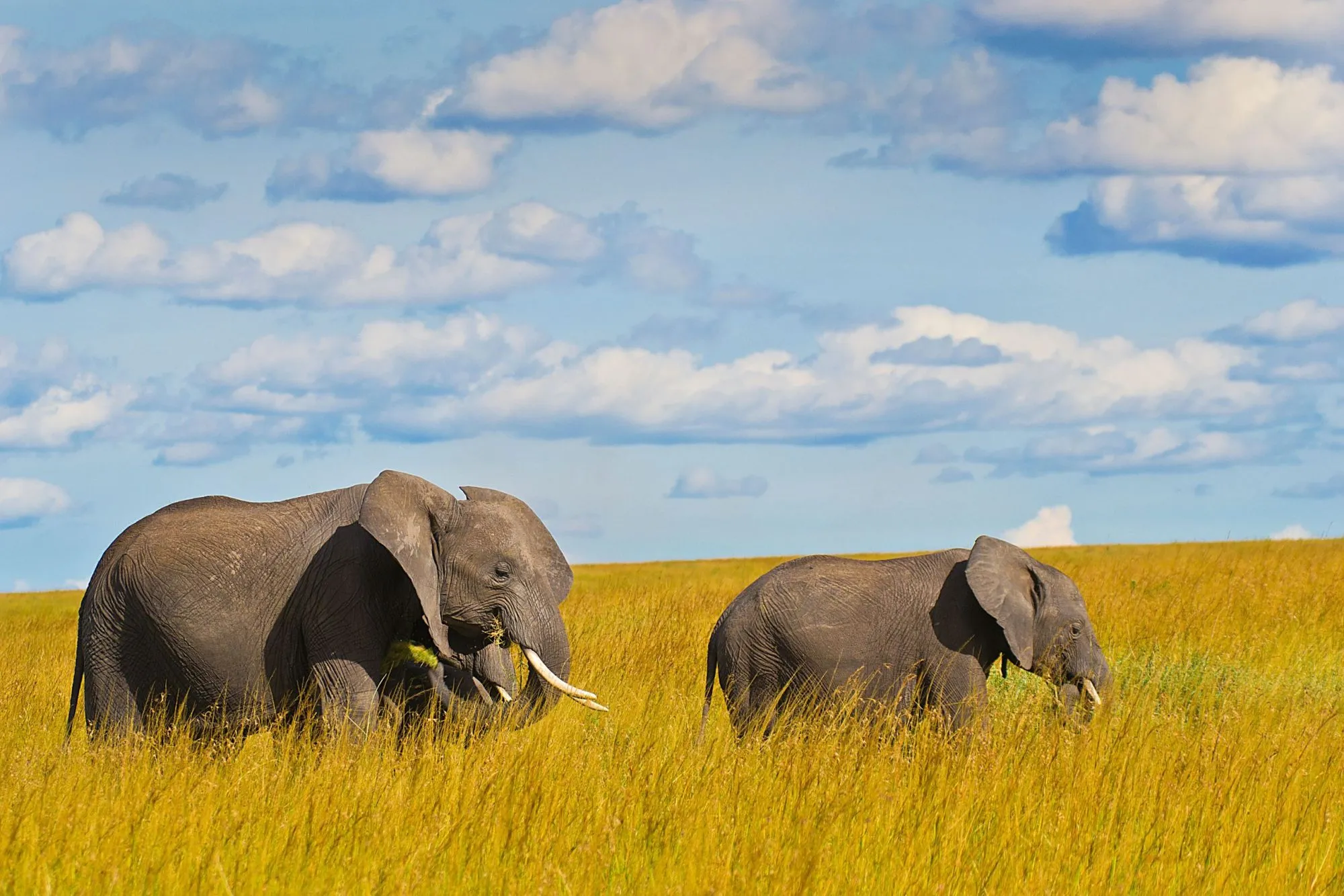
No list of elephant destinations is complete without Amboseli National Park. This is where you find the classic photograph of big bulls walking in front of snow-capped Mount Kilimanjaro. Amboseli’s elephants are also among the best known on earth. Cynthia Moss began the Amboseli Elephant Research Project here in 1972, and researchers have since followed the lives of more than 2,000 individual elephants.
Underground water from Kilimanjaro feeds the park’s swamps, so family herds come in to drink and bathe every day, even in the driest months. Go out early, when the mountain is usually clear of cloud. For the best position, stay at Ol Tukai Lodge in the heart of the park, or at Amboseli Serena Safari Lodge near the swamps.
2. Tsavo, Kenya: The Famous Red Elephants
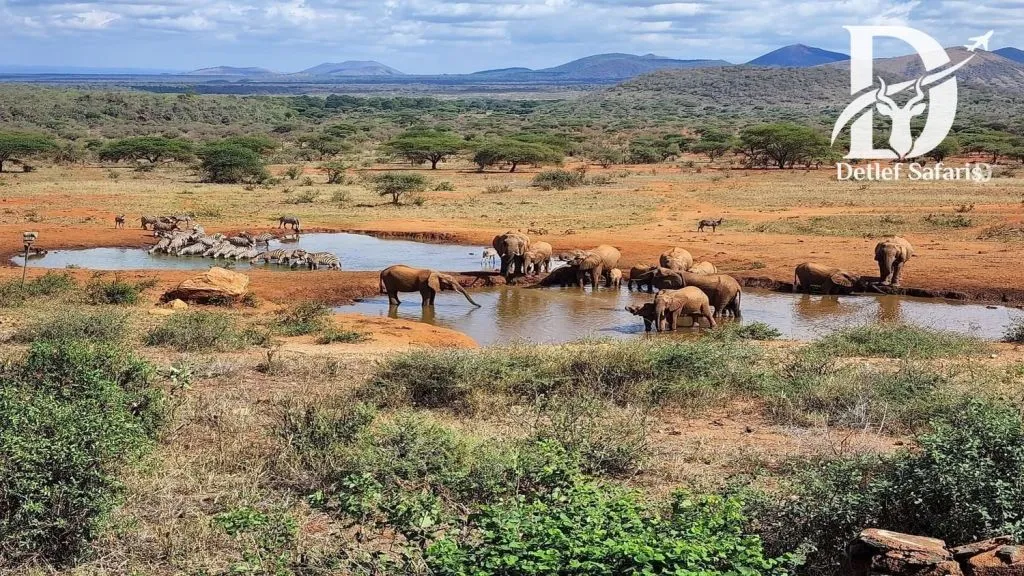
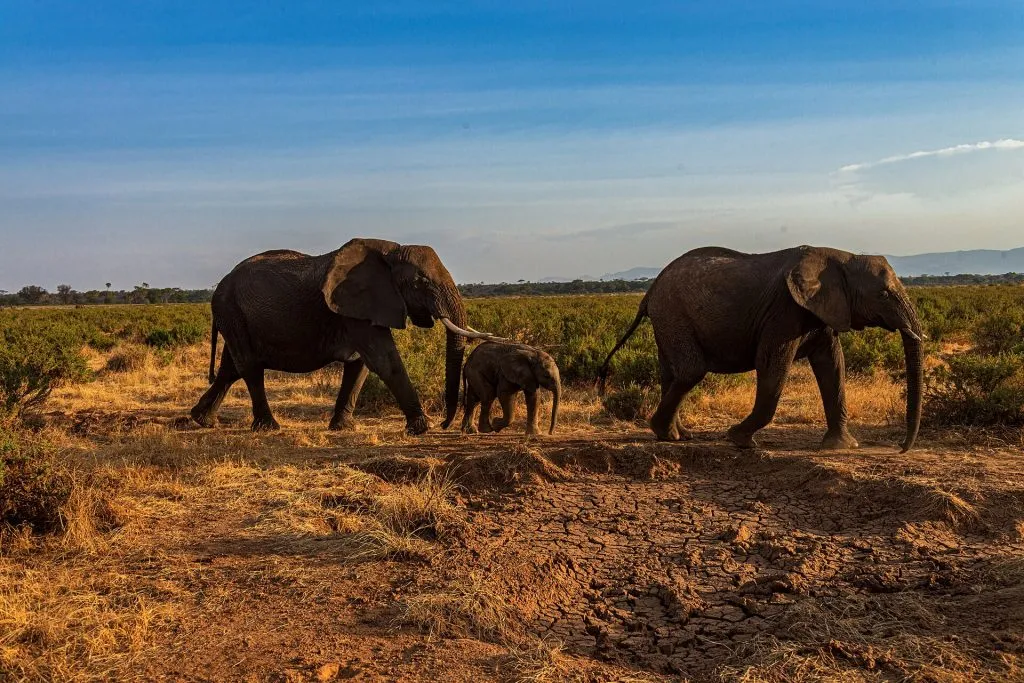
Together, Tsavo East and Tsavo West form Kenya’s largest protected area, and they hold the country’s largest elephant population. The Kenya Wildlife Service counted 12,843 elephants in the Tsavo ecosystem in its 2017 aerial census. Tsavo’s elephants are famous for their colour. They dust themselves with the region’s red soil, which turns them a deep rust red.
Because the park is so large, it rarely feels crowded. In Tsavo, the best viewing is often at waterholes in the dry season, when herds walk in from miles around. Kilaguni Serena Safari Lodge in Tsavo West overlooks a busy waterhole. In Tsavo East, Satao Camp has its own waterhole where elephants often drink in front of the tents.
3. Samburu, Kenya: Elephants of the Northern Rivers
Samburu National Reserve sits in the dry north of Kenya, and its life depends on the Ewaso Ng’iro River. In the dry season, elephant families come down to the river to drink, dig for water in the sand and cross between the riverine forests. The conservation group Save the Elephants has studied these herds for decades, so many of them are known by name.
Samburu also has wildlife you will not see further south. Look for Grevy’s zebra, the reticulated giraffe, the Beisa oryx and the long-necked gerenuk. It pairs well with a Mount Kenya or Laikipia stay, and it works as a quieter alternative to the busier southern parks.
4. Maasai Mara, Kenya: Elephants on the Open Plains
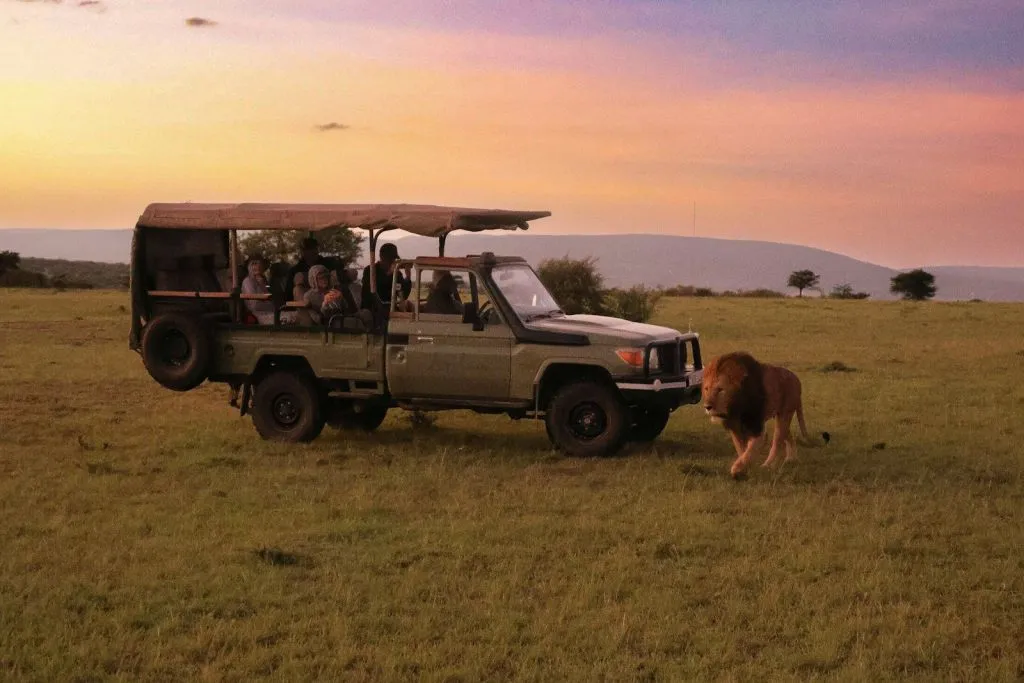
The Maasai Mara is best known for big cats and the Great Migration. However, it is also an excellent place to see elephants against wide, open grassland. Family herds feed along the forest beside the Mara River and in the private conservancies on the reserve’s northern edge.
The open landscape makes the Mara great for photographs of whole herds on the move. You can combine elephants with lions, cheetahs and, from about July to October, the migration river crossings. Governors’ Camp sits on the Mara River, where elephants often pass through. Mara Serena Safari Lodge has views across the plains from its hilltop.
5. Tarangire, Tanzania: The Great Dry-Season Gathering
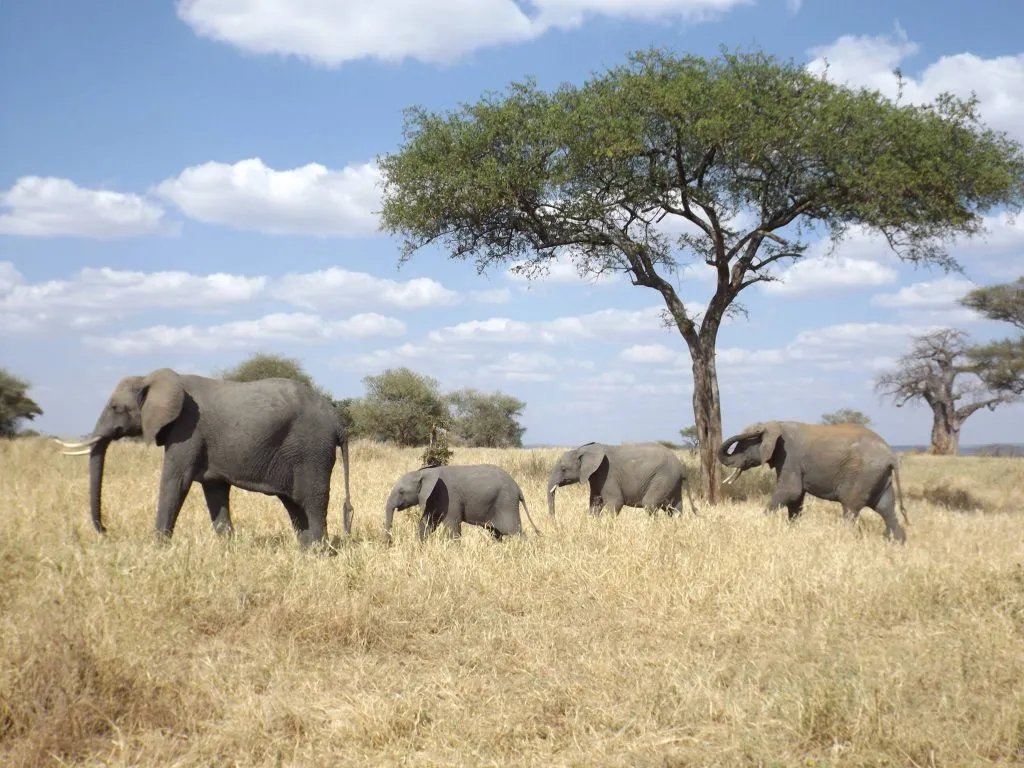
For sheer numbers, Tarangire National Park is hard to beat in northern Tanzania. During the dry season, from about June to October, the Tarangire River becomes the only reliable water in the region. As a result, elephants walk in from far around, and herds of a hundred or more are a common sight.
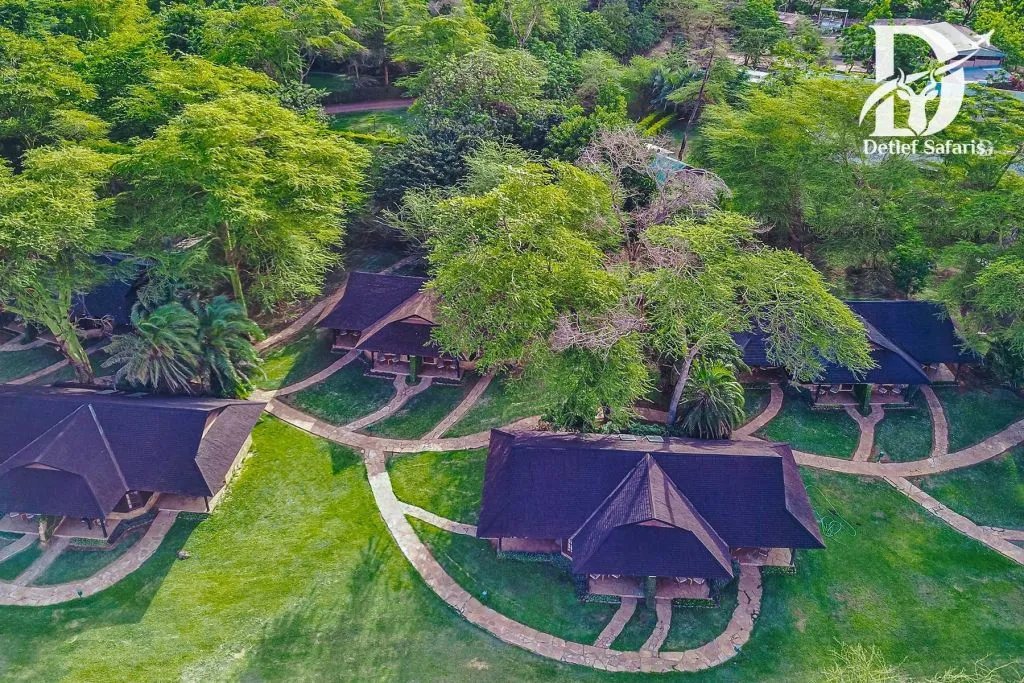
The park’s giant baobab trees make a striking backdrop, and elephants often strip their bark in the dry months. Tarangire also sits close to Arusha, which makes it an easy first stop on a northern Tanzania safari. Stay at Tarangire Treetops Lodge, with its rooms built into the trees, or at Sanctuary Swala Camp beside a waterhole.
6. Ngorongoro Crater, Tanzania: Africa’s Big Old Tuskers
The Ngorongoro Crater is not the place for big breeding herds. Family groups rarely make the steep descent, so the crater floor belongs mostly to old bulls. Several of them carry some of the longest tusks still seen in East Africa.
The bulls often rest and feed in the Lerai Forest, near the crater’s southern wall. Because the crater is so well protected, these elephants have reached a great age. Seeing one walking across the open grassland, with the crater walls behind it, is a highlight of any Tanzania safari. Stay on the rim at Ngorongoro Serena Safari Lodge or Ngorongoro Crater Lodge, and go down early to beat the traffic.
7. Queen Elizabeth National Park, Uganda: Elephants by Boat
Uganda’s elephants have made a long recovery from the poaching of the 1970s and 1980s. The Uganda Wildlife Authority’s 2026 wildlife report puts the national population at about 6,350, and the largest share lives in the Queen Elizabeth protected area. That is a remarkable turnaround for a park whose elephants fell to around 150 by 1980.
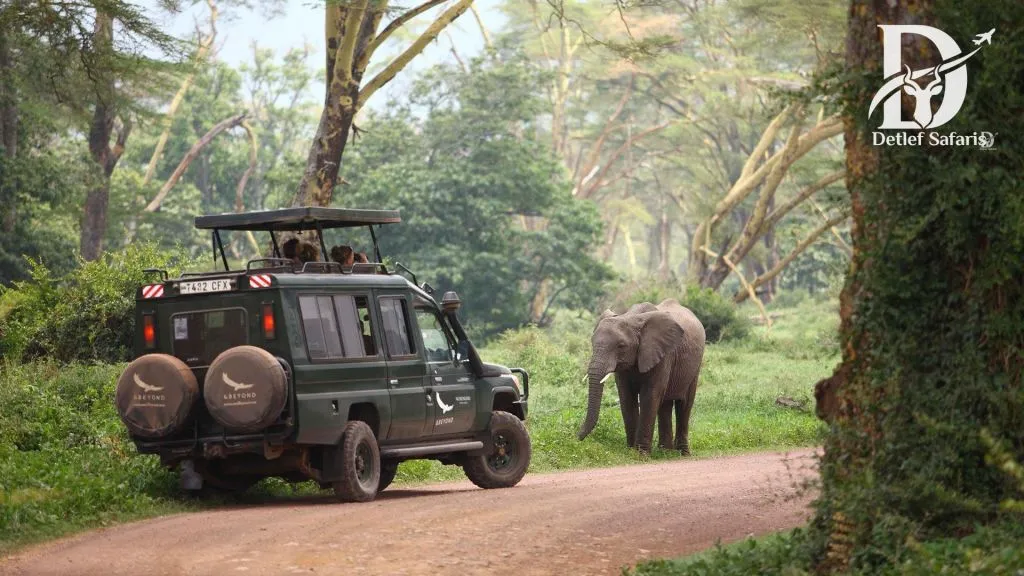
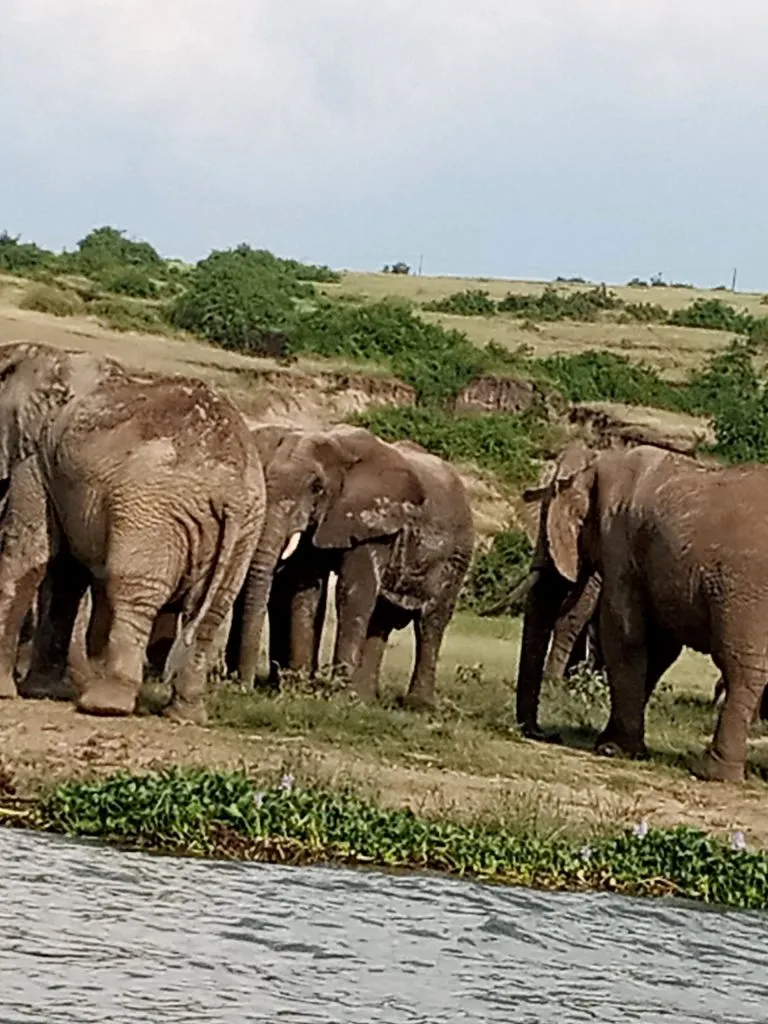
The best way to see them is from the water. A boat cruise on the Kazinga Channel takes you past herds drinking and bathing at the shoreline, often alongside hippos and buffalo. Mweya Safari Lodge sits on the peninsula above the channel, and elephants regularly wander through its grounds.
8. Murchison Falls, Uganda: Elephants Along the Nile
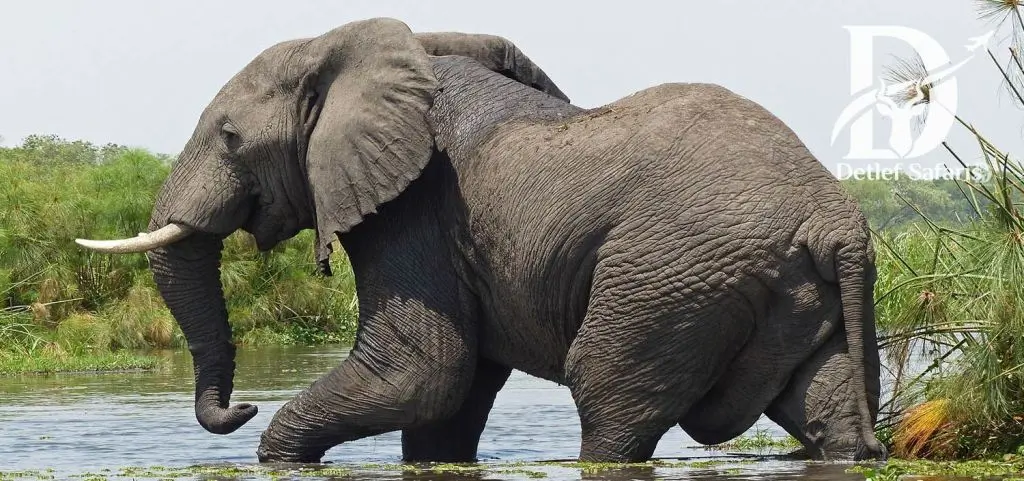
Murchison Falls is Uganda’s largest national park and holds its second-largest elephant population. During the unrest of the 1970s and early 1980s, the park’s elephants fell from around 12,000 to just 1,420. Since then, the herds have grown steadily again.
Game drives on the northern bank of the Nile, in the Buligi area, are the best place to find them, often with giraffe, buffalo and lions nearby. Then take the boat cruise upstream towards the falls, where elephants often come down to the riverbank. Combine this with a hike to the top of the falls for one of Uganda’s great safari days.
9. Kidepo Valley, Uganda: Remote Herds in the Narus Valley
For elephants without the crowds, few places match Kidepo Valley. This remote park lies in Uganda’s far north-east, on the border with South Sudan and Kenya. The Narus Valley holds water through the dry season, so elephants, buffalo and lions gather there, framed by rugged mountains.
Kidepo takes effort to reach. Most travellers fly in, or drive in over two days. Even so, the reward is a wilderness where you may have a sighting to yourself. Apoka Safari Lodge is the place to stay, with views over the valley where elephants often feed.
10. Akagera, Rwanda: A Conservation Success Story
Akagera National Park is Rwanda’s only savannah park, and its elephants have a remarkable history. All of them descend from 26 young elephants moved from the Bugesera District in 1975. In July 2026, the park reported at least 150 elephants, which it tracks with GPS collars.
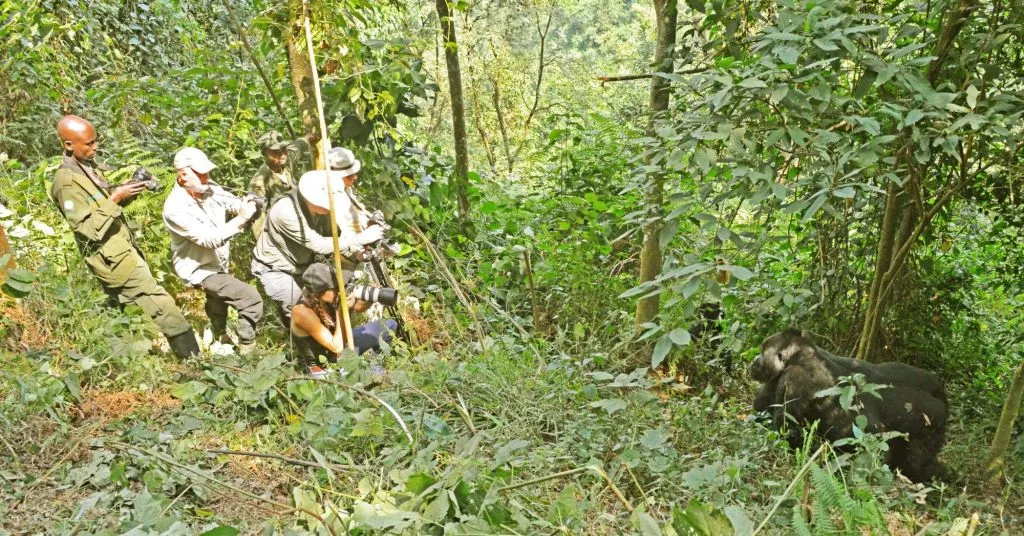
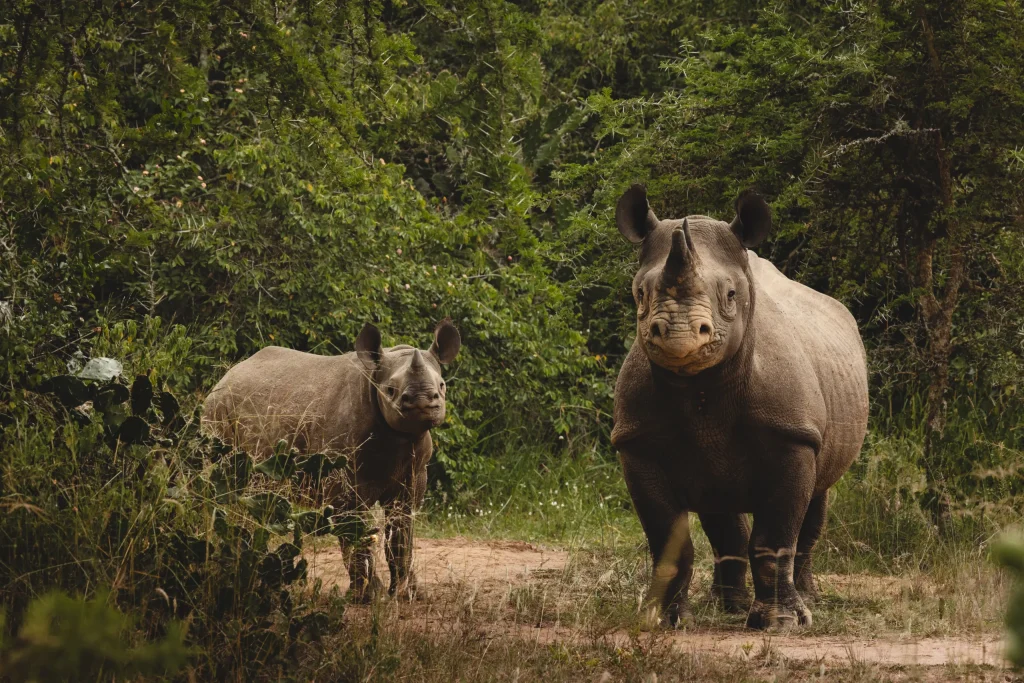
With lions and rhinos returned, Akagera is now a Big Five park. It also combines easily with gorilla trekking in Volcanoes National Park. Boat trips on Lake Ihema bring you close to elephants at the water’s edge. Stay at Akagera Game Lodge overlooking the lake, or at Ruzizi Tented Lodge on the shore.
When Is the Best Time to See Elephants in East Africa?
In general, the dry seasons give you the best elephant viewing. Water becomes scarce, so herds gather near rivers, swamps and waterholes, and the thinner grass makes them easier to spot. In Kenya and Tanzania, the long dry season runs from about June to October, with a shorter dry spell in January and February. In Uganda and Rwanda, the driest months are June to August and December to February. Our guide to the best time to visit Uganda explains the seasons in more detail.
The green season has its own rewards, too. Calves are often born after the rains, the landscape is lush, and the parks are quieter.
Plan Your East Africa Elephant Safari
The easiest way to see a lot of elephants is to combine two or three of these parks. In Kenya, Amboseli and Tsavo sit next to each other. In Tanzania, Tarangire and the Ngorongoro Crater are a short drive apart. In Uganda, Queen Elizabeth pairs naturally with gorilla trekking in Bwindi, as on our 7 Days Uganda Wildlife Safari. In Rwanda, the 5 Day Gorilla Tracking and Akagera Safari adds Akagera’s elephants to your gorillas.
Not sure where to start? Read where to go on safari in 2027, browse our wildlife safaris, or get in touch. We will build a route around the elephants you most want to see.
Plan it with people who know the ground
Our team lives and works in East Africa. Tell us when you hope to travel and what you most want to see, and we will suggest the best route, season and lodges for you.