
Best Time to Visit Uganda: 6 Smart Travel Windows

Find the best time to visit Uganda for gorilla trekking, wildlife viewing, hiking, birding, and smarter safari planning in 2026.
You may be choosing between a gorilla trek in Bwindi, a game drive on the savannah and a hike in the Rwenzori Mountains. You may also be trying to work out whether rain will disrupt the trip. Uganda doesn’t have one universally ideal travel month. The best time to visit Uganda depends on what you most want to do and how much weather flexibility you have. It also depends on whether you’d rather travel in a popular dry-season window or a quieter, greener period.
The country’s rainfall patterns differ by region, so a month that suits a southern gorilla-and-wildlife circuit may be less suitable for northern parks. Southern Uganda’s main rainy seasons are March to May and September to November, while the north generally has a longer wet season from April to October, according to the World Bank’s Uganda climate profile. Use the six travel windows below to match your priorities with practical choices about permits, lodges, routes, and activity timing.
In this guide
- 1. Long Dry Season, June to August
- 2. Short Dry Season, December to February
- 3. Long Rains and Green Season, March to May
- 4. Short Rains and Shoulder Season, October to November
- 5. Migratory Birding Window, November to April
- 6. Rwenzori Mountains Trekking Window, June to September and December to February
- Best Time to Visit Uganda: 6-Season Comparison
- Build Your Uganda Trip Around the Right Window
1. Best Time to Visit Uganda: Long Dry Season, June to August
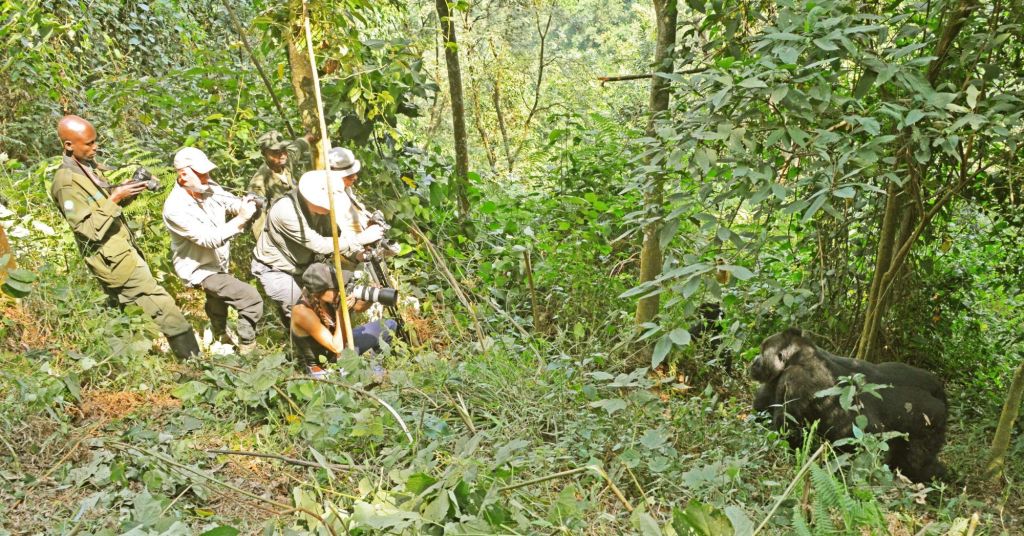
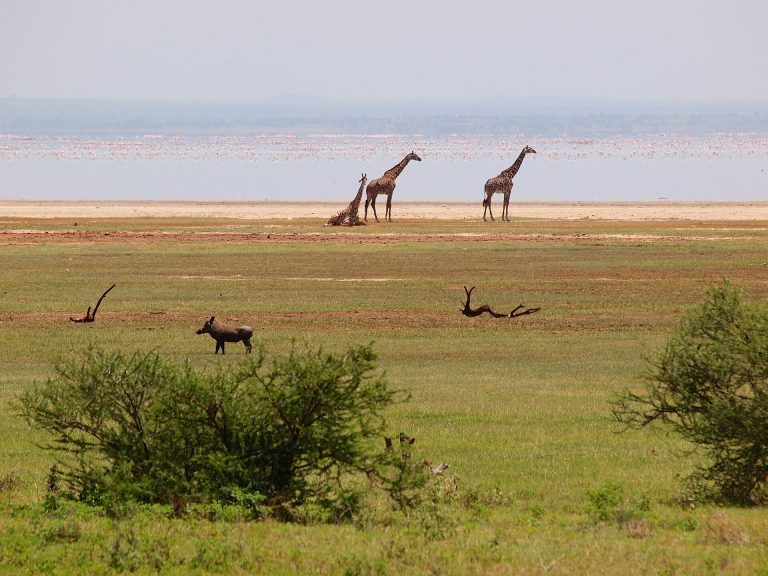
June to August is often the best time to visit Uganda for a classic safari paired with gorilla trekking. It is one of the most practical windows. In much of southern Uganda, these months avoid the principal rains, which can make forest trails and overland transfers more manageable. Drier vegetation can also make it easier to scan savannah areas for wildlife. Sightings still depend on conditions in the park and the animals’ movements.
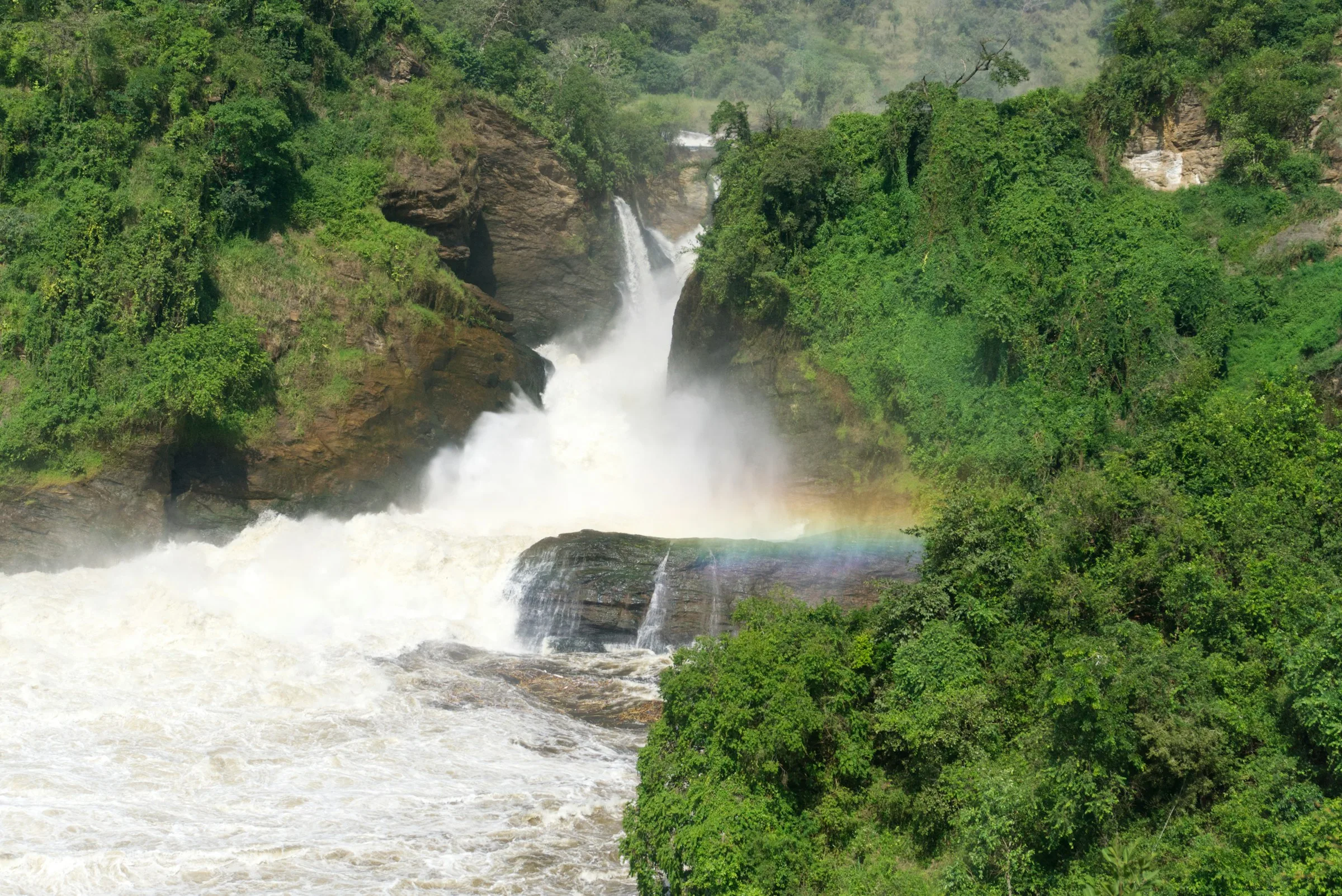
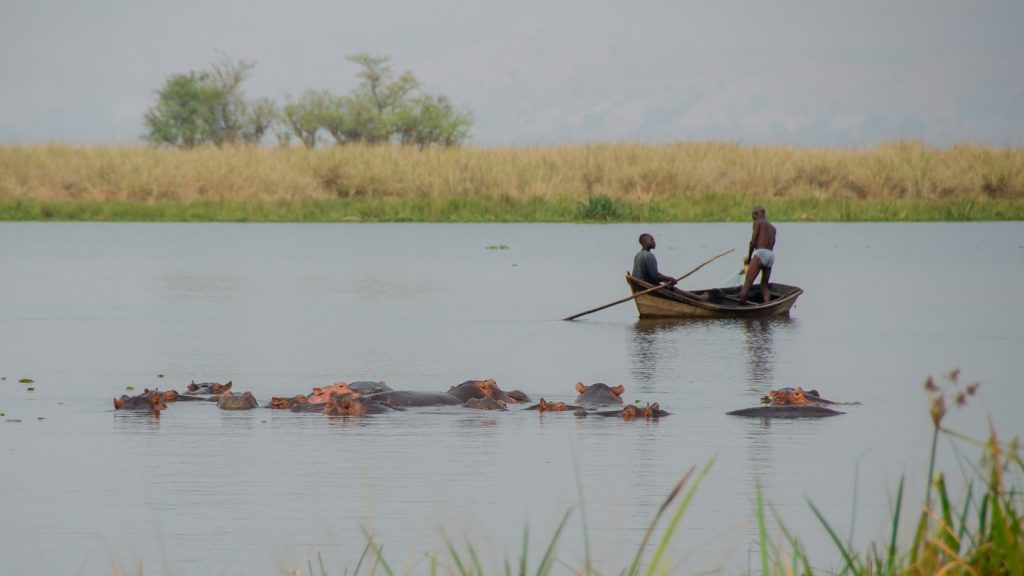
A private route could pair Bwindi gorilla trekking with game drives in Queen Elizabeth National Park. A boat cruise on the Kazinga Channel completes the circuit. Alternatively, focus on Murchison Falls, with early drives on the northern bank and a launch trip towards the base of the falls. Keep the route realistic. Long transfers between parks can be tiring. A tight schedule leaves little room for a delayed drive or a difficult trek.
Plan around high demand
The reliable logistics come with a booking trade-off. June to August coincides with a popular safari period, so gorilla permits and preferred lodges may be harder to secure. Uganda’s arrivals data also shows that December is a high-demand month. The wider market has grown too, so early planning helps beyond any single season. Check current permit availability before you settle on accommodation or flights.
Practical rule: Reserve the gorilla permit and the lodge near your trekking sector first. Then build game drives and transfers around the confirmed trek date, rather than hoping to fit a permit into a fixed route.
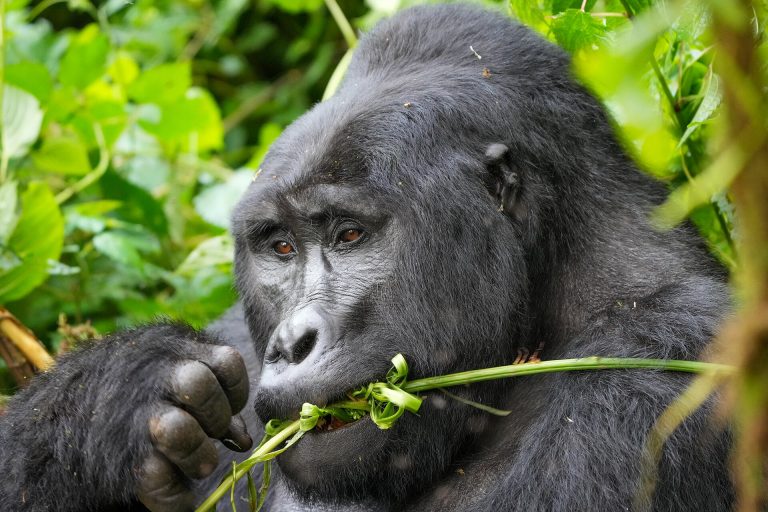
Pack warm layers for early starts and highland stays, plus waterproof protection for the forest. Dry season doesn’t guarantee dry trails in a rainforest. Before departure, confirm park access and road conditions with your planner. For a private route that combines primates, wildlife and local logistics, Detlef Safaris’ Uganda travel planning can help sequence the activities.
2. Best Time to Visit Uganda: Short Dry Season, December to February
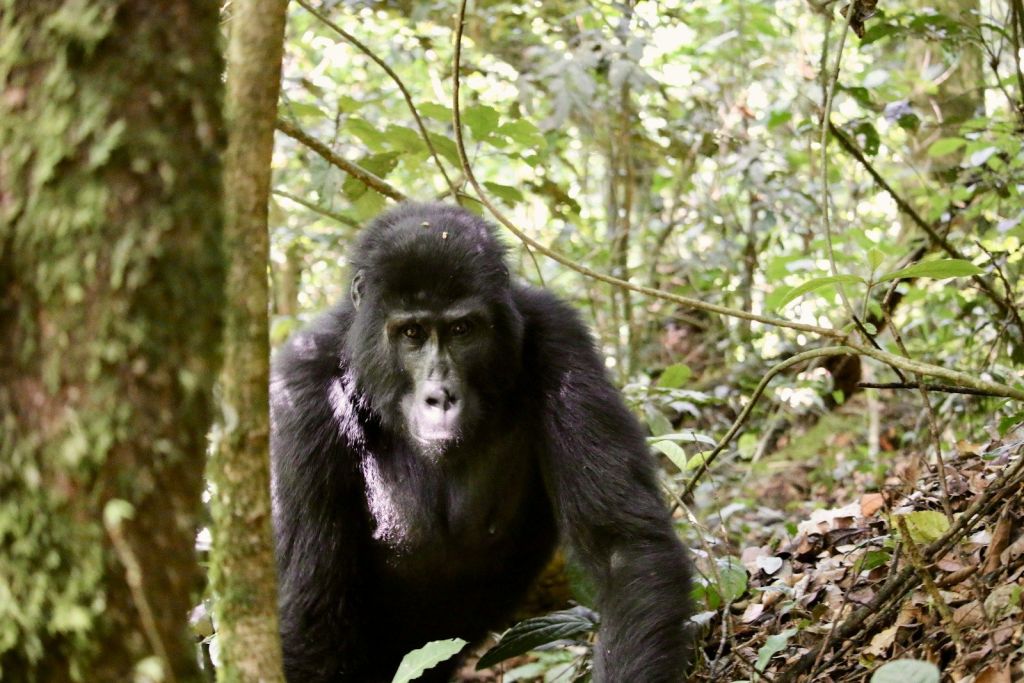
December to February is another contender for the best time to visit Uganda, with a second dry-season window in the south. It suits travellers who want to combine primate tracking with savannah wildlife viewing without choosing the mid-year peak. Bwindi’s documented drier periods include December to February, but the park remains a rainforest with variable local conditions. Pack for mud even if the forecast looks favourable.
The holiday period complicates the picture. December accounted for 9.7% of international arrivals in the available official tourism breakdown, so late December can be busy for permits, lodges and transport. January and February may offer a calmer planning experience, especially after the holiday rush. Availability still depends on the route and accommodation you want.
A strong fit for mixed itineraries
Consider a February trip that starts with gorilla trekking in Bwindi, then continues to Queen Elizabeth for game drives and a boat cruise. Leave time for chimpanzee tracking in Kibale. If you’re combining Uganda with Rwanda, confirm both countries’ gorilla permits before locking in cross-border transfers. Separate permits and fixed activity dates can shape the route more than the calendar does.
For mountain hiking, clear spells can make this period appealing, but high-altitude weather remains changeable. Ask your operator to check conditions and guide availability for the specific trek. Plan activities for early morning or late afternoon when the day is warmer.
Keep a buffer after trekking. Don’t schedule a transfer or flight that can’t move immediately after a forest trek. Wet ground, changing trail conditions and fatigue can all affect how long the day takes.
Bwindi’s elevation and rainfall vary across the park, so national dry-season advice can’t guarantee easy footing. Its documented dry windows are useful for planning, but waterproof layers and grippy shoes still belong in your bag. For travelers prioritising availability, mid-January to February is often a more practical choice than the Christmas and New Year rush.
3. Best Time to Visit Uganda for Green Season: Long Rains, March to May
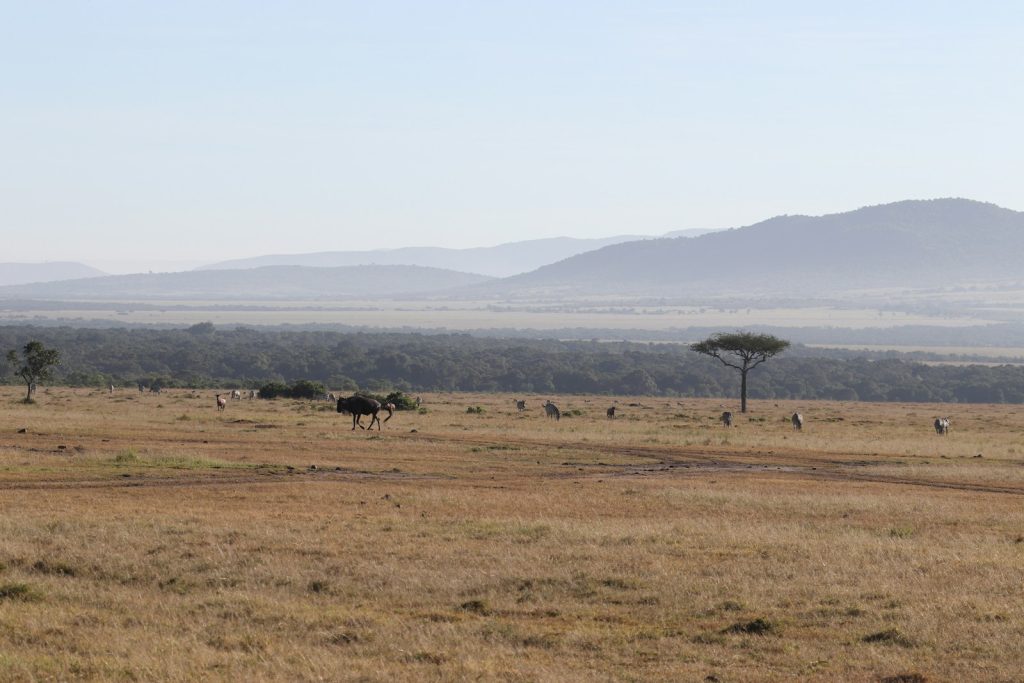
March to May is the best time to visit Uganda if lush scenery, birding and quieter travel matter more to you than predictable road conditions. Rain makes forests and savannah scenery greener, and overcast skies can soften the light for photography. In southern Uganda, this is one of the main rainy periods. Expect possible mud on forest trails and slower transfers, especially across several parks.
A birding-focused route could combine Kibale Forest with Queen Elizabeth National Park, using guided forest walks and time near wetlands. For a gorilla trek in Bwindi, pair the permit with a lodge close to the trailhead and avoid adding a time-sensitive transfer immediately afterwards. Morning activities can be a sensible choice when conditions allow, but don’t assume showers will always wait until later in the day.
Trade weather certainty for a quieter trip
The green season can be attractive for travellers with flexible dates. Some lodges may offer seasonal rates, but availability and terms vary, so ask directly rather than assuming a discount. Lower demand can also make it easier to find an itinerary that fits your interests. It won’t remove the need to secure a gorilla permit.
Rainy-season onset can shift from year to year. That makes a rigid plan less dependable: a route that was straightforward in one season may meet very different road or trail conditions in another. Build in a flexible transfer day and ask about alternative routes before you travel.
Carry waterproof outerwear, gaiters or trousers that can handle mud, and shoes with reliable grip. A camera rain cover and binoculars are useful for nature-focused days. This window works best when you treat rain as a normal part of the trip. It is not a rare disruption that will automatically cancel every activity.
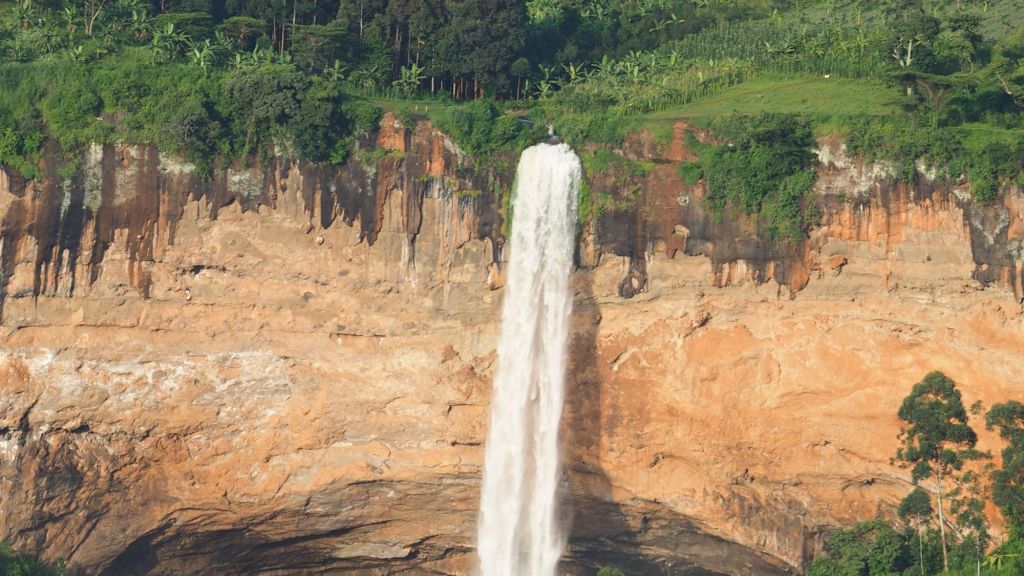
4. Best Time to Visit Uganda for Shoulder Season: Short Rains, October to November
October and November are the best time to visit Uganda for travellers who want greener vegetation and a quieter feel. They also avoid the main dry-season rush. Southern Uganda’s short rains generally fall during this period, but regional and day-to-day conditions vary. A shower may change a forest walk or slow a road transfer. Flexible scheduling is more useful than trying to predict every dry hour.
For a compact trip, combine chimpanzee tracking in Kibale with a cultural visit around Fort Portal. Another option is Lake Mburo, with game drives and time on the lake, provided the itinerary allows for weather adjustments. These shorter routes can be easier to adapt than a packed circuit that crosses the country on a tight timetable.
Leave room to adjust
The key trade-off is flexibility. A quieter period may make it easier to plan around your preferred lodge or activity. You still need to confirm permits and opening details rather than assuming availability. If birding is a priority, ask a local guide which sites and species are best for your exact dates, and schedule forest activities early where practical.
Keep waterproof gear and a rain cover for your camera close at hand. Ask about booking terms and alternative routes before you commit, especially if your trip includes remote lodges or flights that connect closely with a trek. This is a sensible window for travellers who can swap the order of activities if the weather changes.
A flexible itinerary is more valuable than a perfect forecast. Put fixed-date activities first, then leave the easier-to-move outings, such as a cultural visit or a spare game drive, as options around them.
October to November can work well for a short primate-and-culture trip or a slower safari with room for rest. It’s less suitable for travellers who need every transfer and activity to run exactly to schedule. Choose it for adaptability, not because rain is guaranteed to be light.
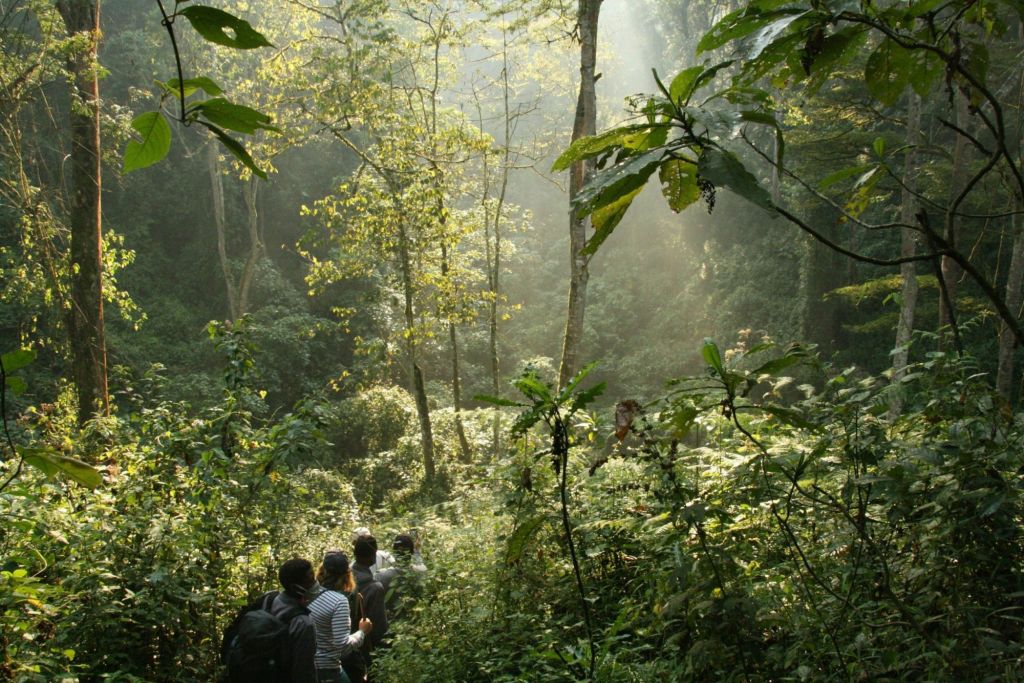
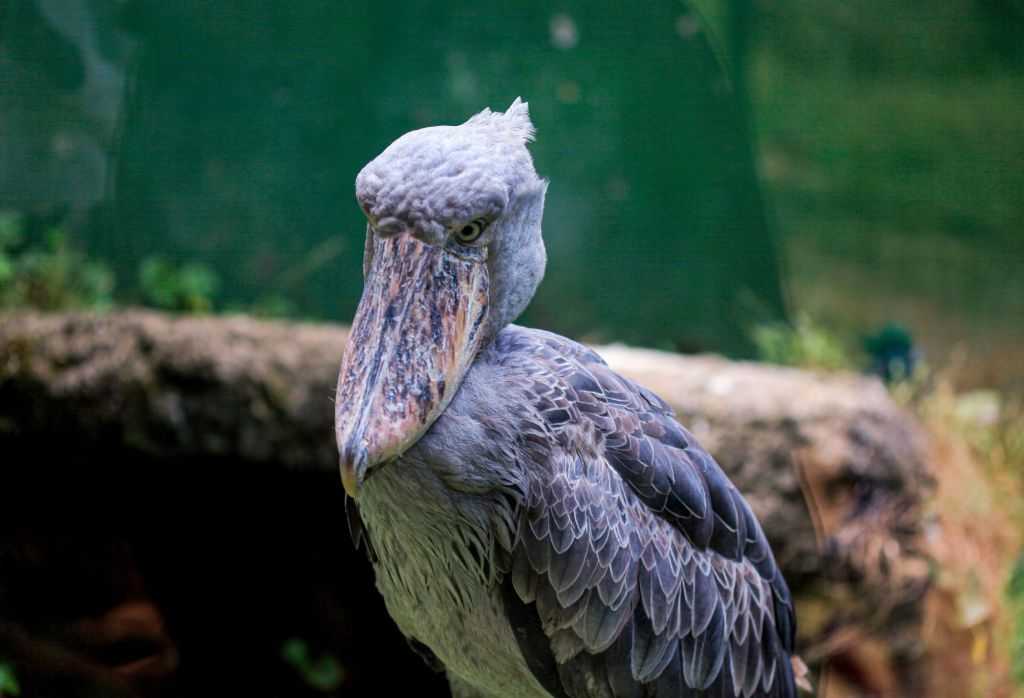
5. Migratory Birding Window, November to April
Birding can be rewarding across several seasons, so this window overlaps with both dry and wet conditions rather than offering one uniform experience. The practical choice is to pick sites and dates around the birds you hope to find. Then build in enough time for local guides and changing weather. For birdwatchers, the route matters as much as the month.
A circuit might begin with a dawn boat trip at Mabamba Bay near Lake Victoria, Forest birding in Kibale and a stay in Bwindi could follow. A longer journey can include Queen Elizabeth as well, balancing wetlands, forest and savannah habitats. Ask a local bird guide to shape the daily plan around habitat and recent conditions rather than treating each stop as a quick detour between parks.
Put guiding and timing first
Start walks early when possible, and allow time to pause and listen. An experienced guide can help identify birds by call and direct attention to suitable habitat. Bring binoculars, a field guide and camera equipment you can protect from rain; dense vegetation and changing light make flexible photography plans worthwhile.
November to April overlaps with rainy months in southern Uganda, so some trails and roads may be muddy. It also includes drier periods, which can make inter-park transfers more predictable. Decide which matters more for your trip: access and ease of movement, or the particular seasonal birding opportunities you’re targeting. Then ask your operator to confirm the route and activity sequence.
If you want to include gorilla or chimpanzee trekking, secure those permits before you finalise the birding itinerary. A dawn outing followed by a long drive and a fixed afternoon trek can leave little room for delays. A slower route, with overnight stays near key habitats, gives you more time to watch and less pressure to rush between sightings.
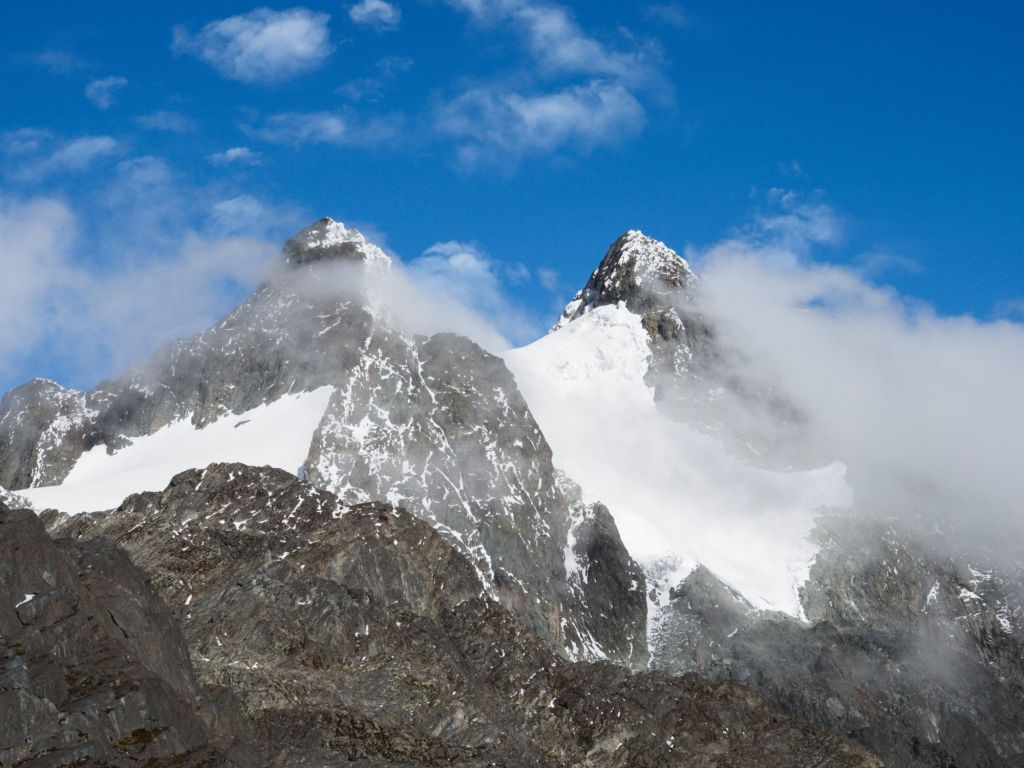
6. Rwenzori Mountains Trekking Window, June to September and December to February
The Rwenzori Mountains need a different kind of planning from a safari circuit. Trekkers should choose a drier window where possible, but mountain weather can change quickly, and a clear start doesn’t promise clear views at higher elevations. Sturdy boots, warm layers and waterproof clothing are essential even when the lowlands are dry.
A January trek could be followed by a Queen Elizabeth safari, while a July trip might combine mountain hiking with gorilla trekking in Bwindi. Either itinerary needs careful sequencing. Allow time to recover after the trek, check transfer distances, and avoid placing a fixed permit activity right after a demanding hiking day.
Treat the trek as the anchor
The trekking route, guide arrangements and mountain accommodation should shape the rest of the trip. Ask about the Central Circuit or Kilembe Trail based on your experience and objectives, and confirm what support is available before booking. Guides, porters and huts can be in higher demand during the drier windows. Don’t leave those details until the rest of the itinerary is already fixed.
Acclimatisation matters. Build in time in the foothills before heading higher, and don’t treat a safari transfer as a substitute for recovery. If you’re combining the Rwenzoris with gorilla or chimpanzee tracking, keep the route manageable and leave breathing room around the most strenuous activities.
Plan for mountain conditions, not just the season name. A dry-season date improves your planning prospects, but it doesn’t make high-altitude weather predictable.
Use a local planner to coordinate guides, accommodation, permits, road transfers and any flights. The best itinerary gives the trek proper time. Don’t try to squeeze a demanding mountain route between too many distant parks.
Best Time to Visit Uganda: 6-Season Comparison
Use the table as a booking filter rather than a month ranking. Start with the scarce item for your goal, then check whether road, trail and recovery time still fit.
Best time to visit Uganda: windows 1 to 3 compared
| Window | Timing and demand | Conditions and expected outcomes | Booking order and lead-time pressure | Best use | Main trade-off |
|---|---|---|---|---|---|
| Long Dry Season | June to August; peak demand in July and August | Low rainfall, thinner vegetation and wildlife near water improve sightings; trails and roads are generally drier | Gorilla permits and top lodges are the long-lead items; around six months ahead is prudent for preferred dates, with dust and cool mornings planned for | Game viewing, Nile cruises, gorilla trekking, photography, first-time safaris | Strongest all-round safari conditions, balanced by highest prices and crowds |
| Short Dry Season | December to February; busiest late December and early January | Mostly dry weather supports wildlife viewing, trekking and clearer mountain views; February is often quieter | Lock holiday-period permits and lodges first; for February trips, confirm permits before building around lowland midday heat | Gorilla trekking, Rwenzori hiking, Uganda and Rwanda trips, value-focused February travel | Good conditions with lighter pressure outside the holiday peak, offset by festive prices and hot midday hours |
| Long Rains and Green Season | March to May; generally low demand except Easter | Lush vegetation and active birdlife; heavy rain peaks in April and May, and wildlife may be more dispersed | Rates are easier, but flexibility is the scarce resource; hold refundable lodges where possible and leave buffer days for road, trail or flight changes | Birding, nature walks, photography, quieter or lower-cost safaris | Lower rates and excellent birding, with trekking and game drives more exposed to rain |
Best time to visit Uganda: windows 4 to 6 compared
| Window | Timing and demand | Conditions and expected outcomes | Booking order and lead-time pressure | Best use | Main trade-off |
|---|---|---|---|---|---|
| Short Rains and Shoulder Season | October to November; moderate demand and rates | Short showers, green scenery and migrant birds; wildlife is less concentrated than in the dry season | Keep core bookings moderate rather than last-minute; schedule forest activities in the morning and keep the order adjustable | Chimpanzee tracking, birding, cultural visits, value-focused travel | Reasonable weather, value and lighter crowds, weighed against showers and slippery forest trails |
| Migratory Birding Window | November to April; low to moderate demand | Migrants and resident birds in breeding plumage offer strong birdwatching and photography opportunities | Bird guide availability matters more than room supply; hire the local guide early and plan pre-dawn starts plus wet-trail contingencies | Specialist birding, bird photography, Mabamba Bay, Kibale, Queen Elizabeth and Bwindi | Exceptional species diversity, with dawn-heavy timing and rain-related access risk |
| Rwenzori Trekking Window | June to September and December to February; busiest July to August and late December to January | Drier periods generally bring less slippery trails and clearer summit views; high-altitude conditions remain cold and demanding | Secure registered guides, porters, route and mountain accommodation before adding park permits; fitness, acclimatisation and gear need lead time | Multi-day trekking, mountaineering, alpine terrain and adventure itineraries | Distinctive alpine terrain and dry-season visibility, earned through strenuous routes, altitude, cold and substantial preparation |
Build Your Uganda Trip Around the Right Window
For classic wildlife viewing paired with gorilla trekking, June to August is a strong choice if you can secure permits and preferred lodges early. December to February offers another practical dry-season option, with mid-January to February often easier to plan around than the holiday rush. Neither window guarantees dry forest trails, so keep waterproof gear and a flexible transfer plan.
March to May suits travellers who value green scenery, birding and a quieter pace, and who can accept more variable road and trail conditions. October to November can also work well for shoulder-season travel, especially when you’re willing to adjust the order of activities. For birding, choose the route around habitats and guide advice rather than relying on a single national season.
If the Rwenzoris are your priority
If the Rwenzori Mountains are central to your trip, make the trek the anchor. Confirm the route, guides and accommodation first, then add gorilla or chimpanzee tracking only where the transfers and recovery time fit comfortably. A packed itinerary may appear efficient on paper, but weather delays and challenging trails can make it brittle in practice.
Uganda’s different rainfall patterns mean a national “best month” can be misleading. Southern parks and northern destinations don’t share exactly the same wet and dry seasons, and local conditions can shift. Start by naming your priority, whether that’s gorillas, savannah wildlife, hiking, birding or quieter travel. Then choose a window and route that match it, while treating permits, lodges and transfer days as connected parts of the same plan.
Detlef Safaris plans private, tailor-made itineraries across Uganda and neighbouring East African destinations, including primate encounters, wildlife viewing, cultural visits and the logistics between them. A well-sequenced trip can make seasonal conditions work for your priorities rather than forcing every activity into one crowded route.
Ready to turn a travel window into a route? Browse our Uganda safari itineraries, including the 10 days Uganda primate safari and the 8 days Uganda safari, or read our gorilla trekking guide for permit costs, sectors and what to pack.
Still choosing between East African countries? Our Uganda and Kenya safari comparison sets out how wildlife, parks, costs and trip style differ, so you can pick the country before you pick the month.
For a Uganda itinerary shaped around the right season, Detlef Safaris can coordinate gorilla and chimpanzee permits, accommodation, transfers and activities with local specialists. Visit Detlef Safaris to discuss a private trip that fits your travel window and priorities.
Plan it with people who know the ground
Our team lives and works in East Africa. Tell us when you hope to travel and what you most want to see, and we will suggest the best route, season and lodges for you.