
Bird Watching Safaris in East Africa
A bird watching safari in East Africa is a different way of travelling: you slow down, start early, and learn to listen. A turaco calls from the canopy, a roller drops from its perch onto a grasshopper, a shoebill stands motionless at the edge of the papyrus.
We are a Uganda-based team that plans safaris across Uganda, Rwanda, Kenya and Tanzania. Uganda has some of the longest bird lists in the region, but each country offers something different, so we start with the birds and habitats you most want to see, then choose the parks, the season and the pace to match.
How to Plan a Bird Watching Safari
Whether you keep a life list or simply enjoy a good sighting, the best route depends on the habitats you want to visit. Below are the main birding areas we use, followed by the countries we work in, example trips and the lodges that suit birders.
Forest birding in Uganda
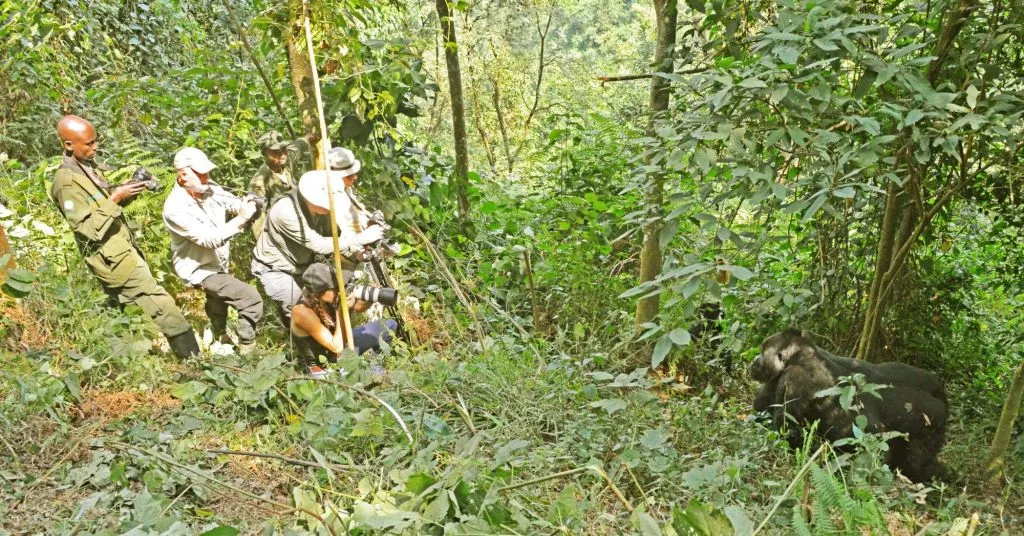
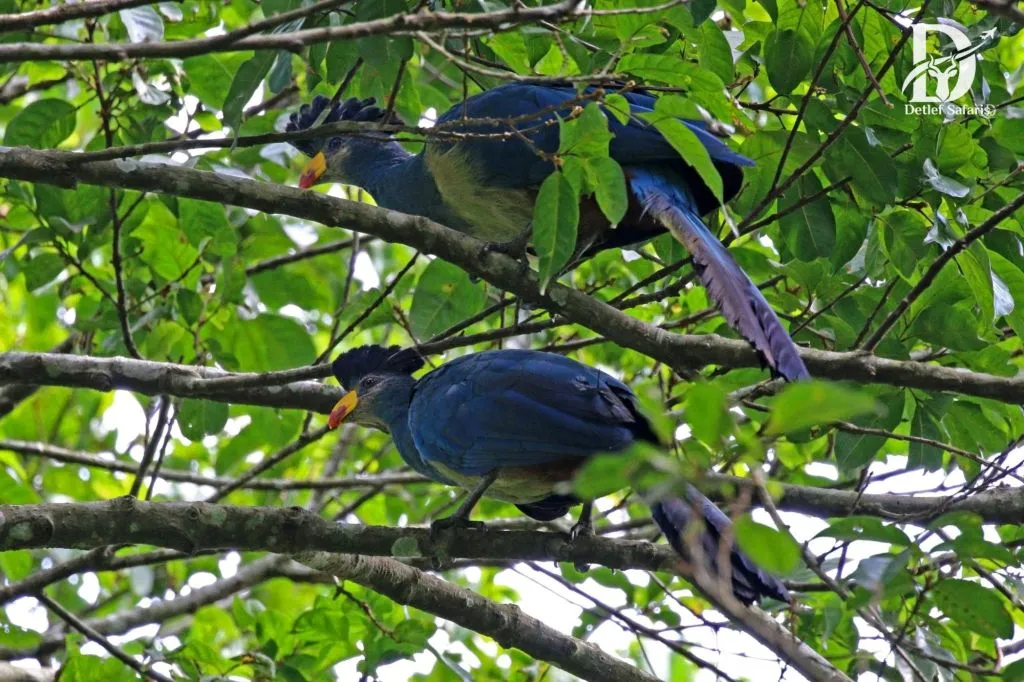
Uganda’s forests are the heart of its birding. Bwindi Impenetrable Forest has recorded more than 350 bird species, including Albertine Rift specialities that are hard to see elsewhere, and guided walks along the forest edge fit easily between gorilla treks. Kibale Forest holds over 300 bird species, and the community-run Bigodi Wetland Sanctuary nearby is a swamp walk that is excellent for birds and monkeys.
Semuliki National Park, with its Congo-basin character, has over 440 recorded bird species, and the Rwenzori Mountains hold 217 recorded species, 17 of them found nowhere else. On Mount Elgon, over 300 species have been recorded, and the Kapkwai forest trails near Sipi Falls make a good morning walk.
Wetlands, rivers and the shoebill
Water concentrates birdlife and makes it easy to see. In Queen Elizabeth National Park, a boat trip along the Kazinga Channel brings you close to a huge variety of waterbirds, and more than 600 bird species have been recorded in the park, so the Mweya peninsula suits birders of every level.
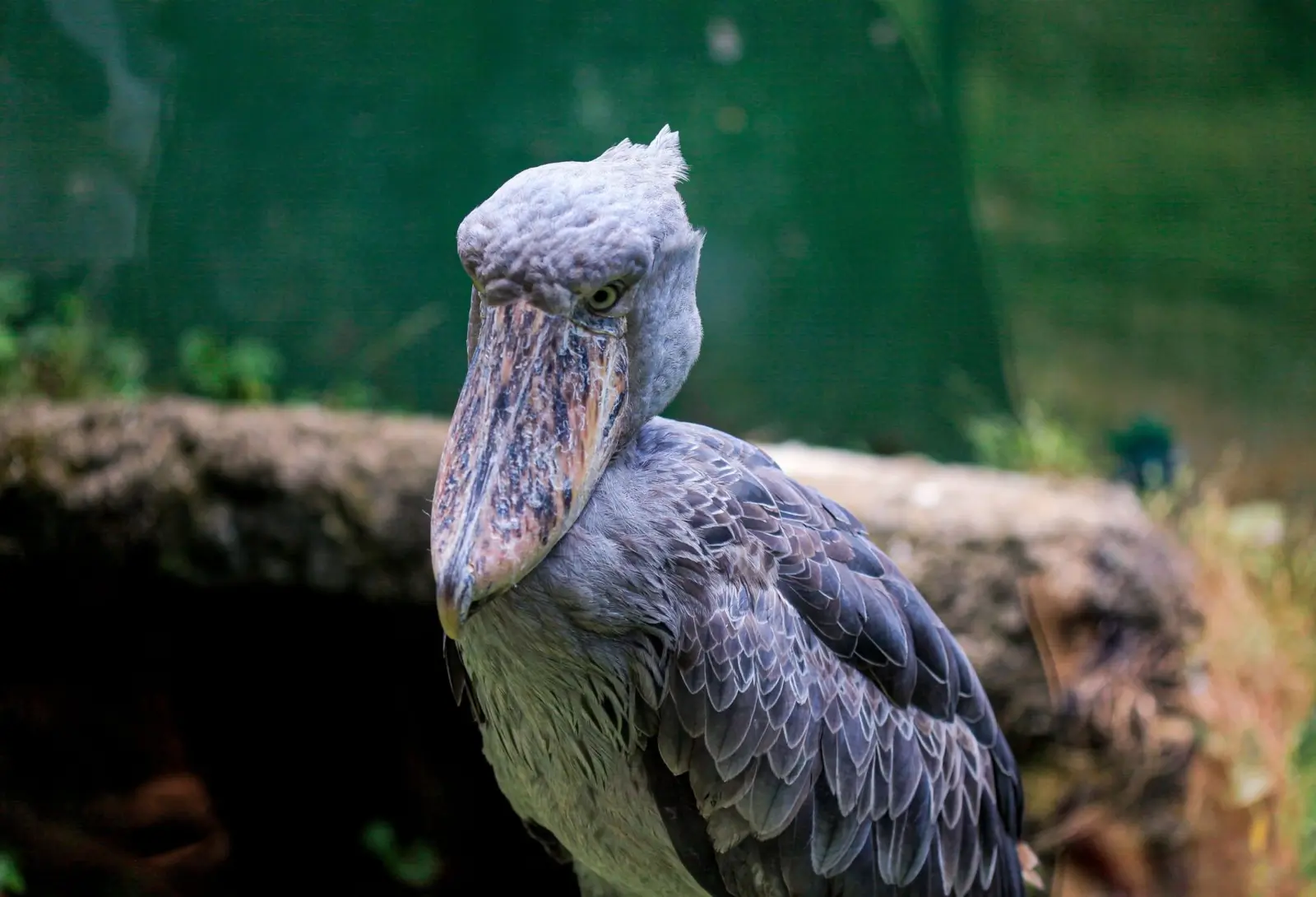
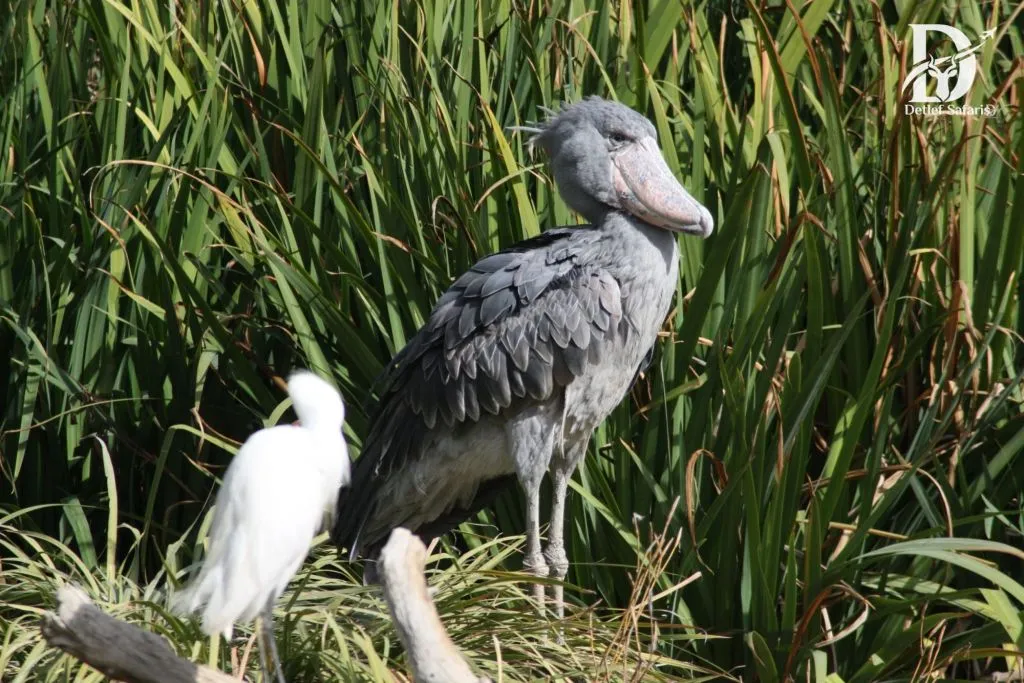
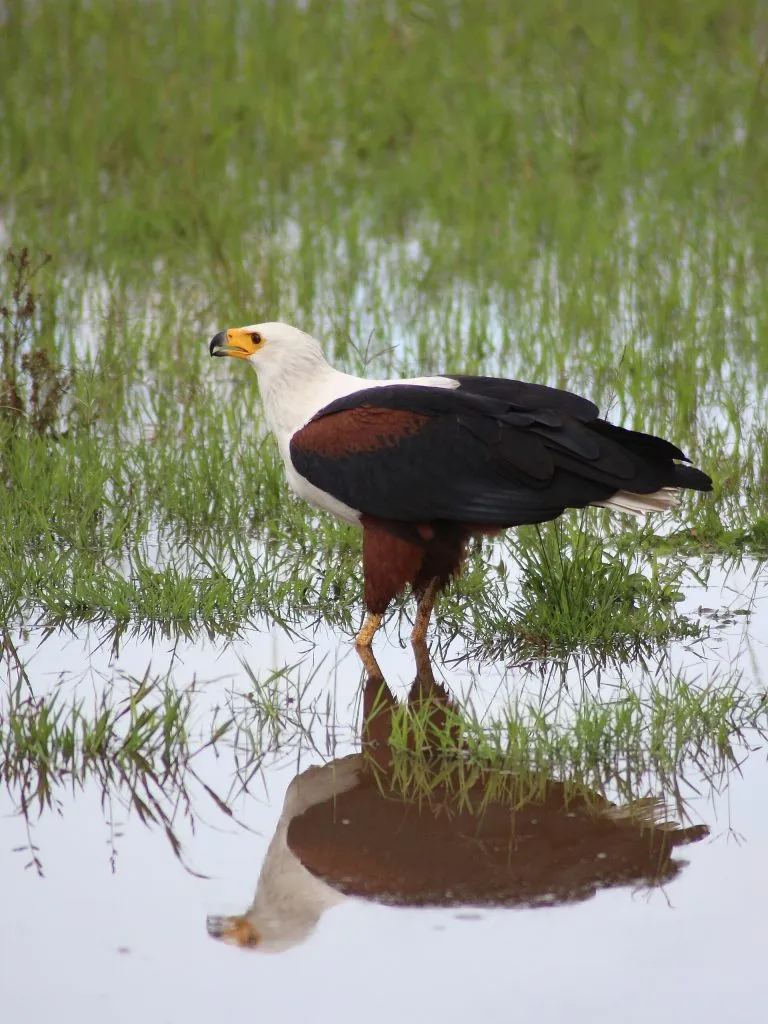
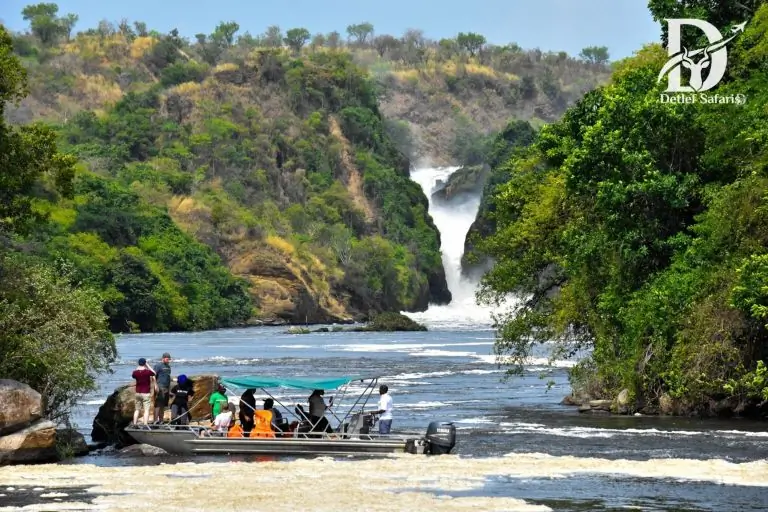
In Rwanda, boat trips on Lake Ihema in Akagera National Park are a good way to look for water birds such as the papyrus gonolek and the shoebill. The shoebill is the bird many visitors hope to see. Sightings are never guaranteed, but a boat outing in the early morning gives you a fair chance.
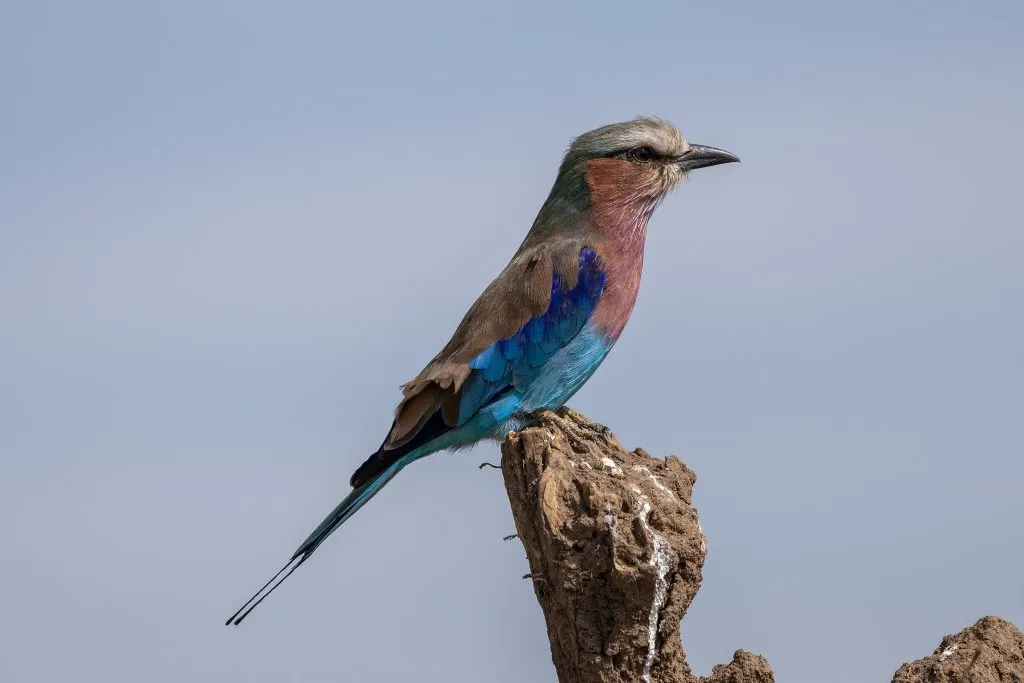
Savanna birds of Kenya and Tanzania
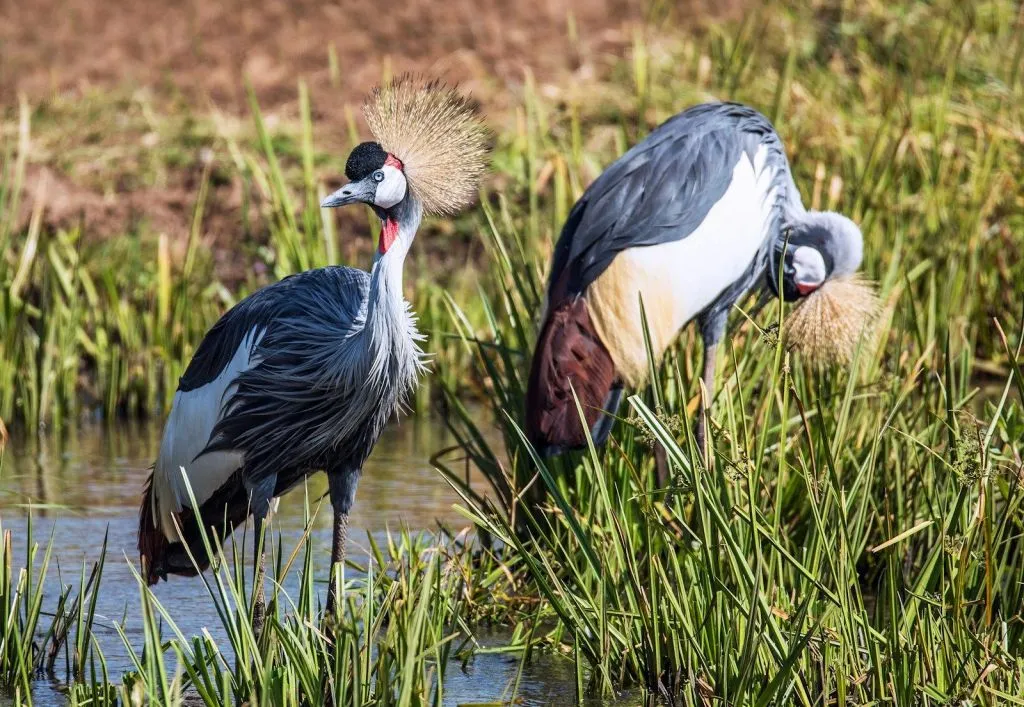
Kenya and Tanzania add colour to a big-game safari. Lake Nakuru National Park has more than 450 recorded species, and flamingos gather on the lake at certain times of year, although their numbers change with the water levels. At Ol Tukai Lodge in Amboseli, a resident ornithologist leads guided bird walks, and grey crowned cranes can be seen on the dry plains.
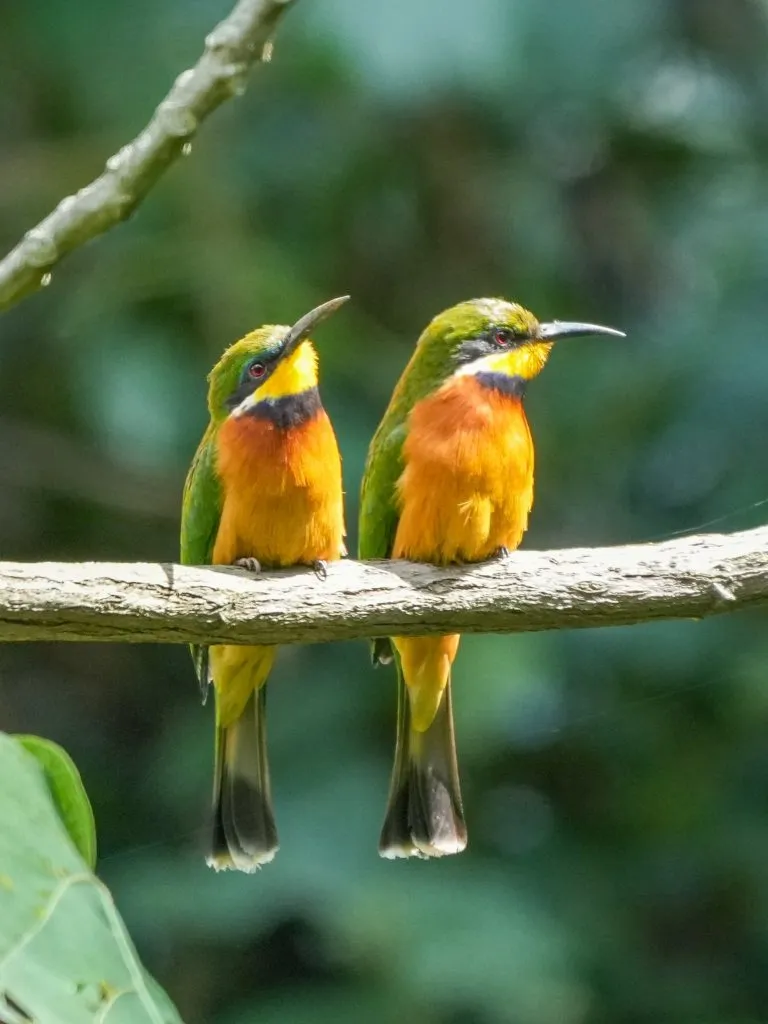
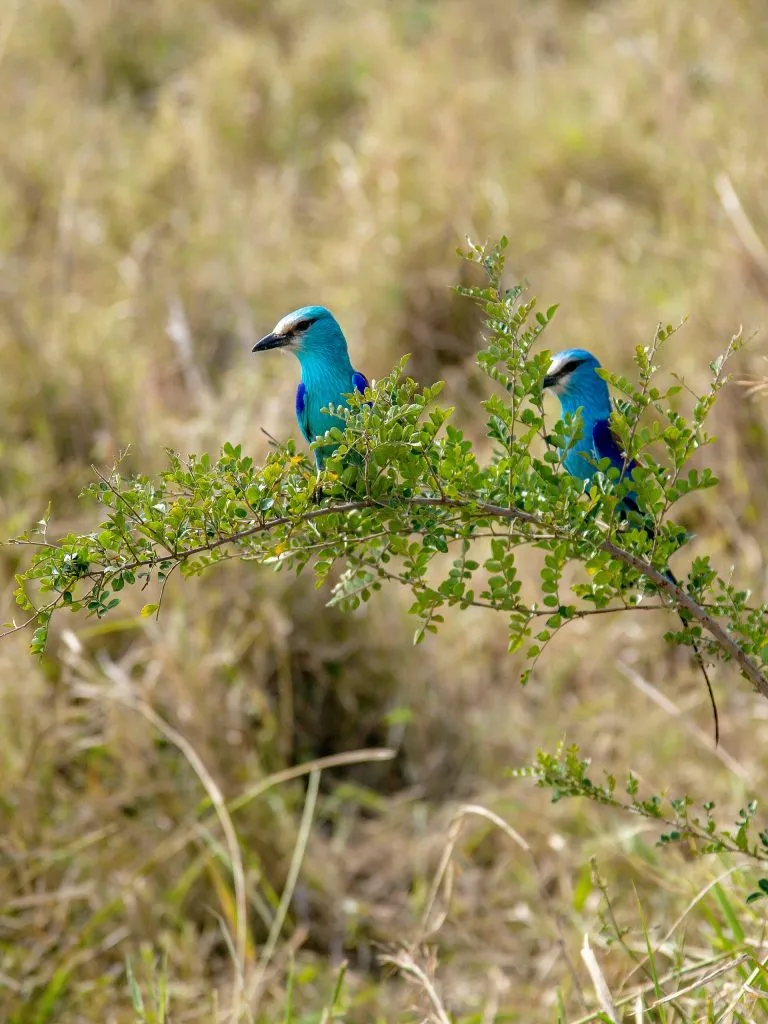
Lilac-breasted rollers and bee-eaters perch on bare branches across the Maasai Mara and the Serengeti, and Tarangire National Park has over 550 recorded bird species among its baobabs, which makes it one of Tanzania’s richest birding destinations.
Kidepo Valley: birding in the far north
Kidepo Valley National Park, in Uganda’s remote north-east, has a bird list above 450 species, including many that you will find nowhere else in Uganda. It is a long way from Kampala, roughly ten to eleven hours by road, so most visitors fly in on a scheduled light aircraft.
The wetter months, April to May and September to November, bring green scenery and good birding, although some tracks become hard going. Two to three nights lets you explore both the Narus and Kidepo valleys, with game drives that feel genuinely wild.
Planning a birding trip
Resident birds can be seen all year, and migrants from Europe and Asia add to the lists in the northern winter. Birding is best in the early morning, so we choose lodges that let you start at first light, and we build in time for slow walks rather than long drives between parks.
Bring binoculars, a field guide and neutral clothing. Birding combines well with gorilla trekking, chimpanzee tracking and game drives, so you do not have to choose between birds and the rest of a safari.
Where to Go Bird Watching
 Uganda
Bwindi, Kibale, Semuliki, Kidepo and the Kazinga Channel: the longest bird lists.
Rwanda
Albertine Rift specialities in Nyungwe, and water birds on Lake Ihema in Akagera.
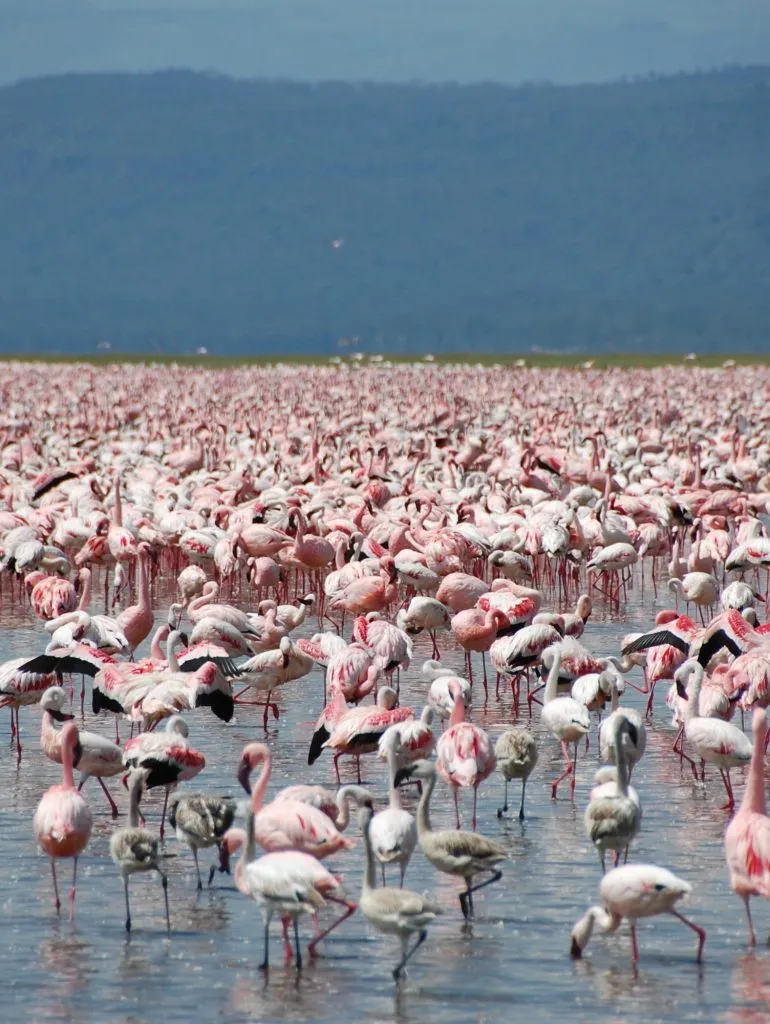 Kenya
Flamingos at Lake Nakuru, cranes in Amboseli and rollers in the Maasai Mara.
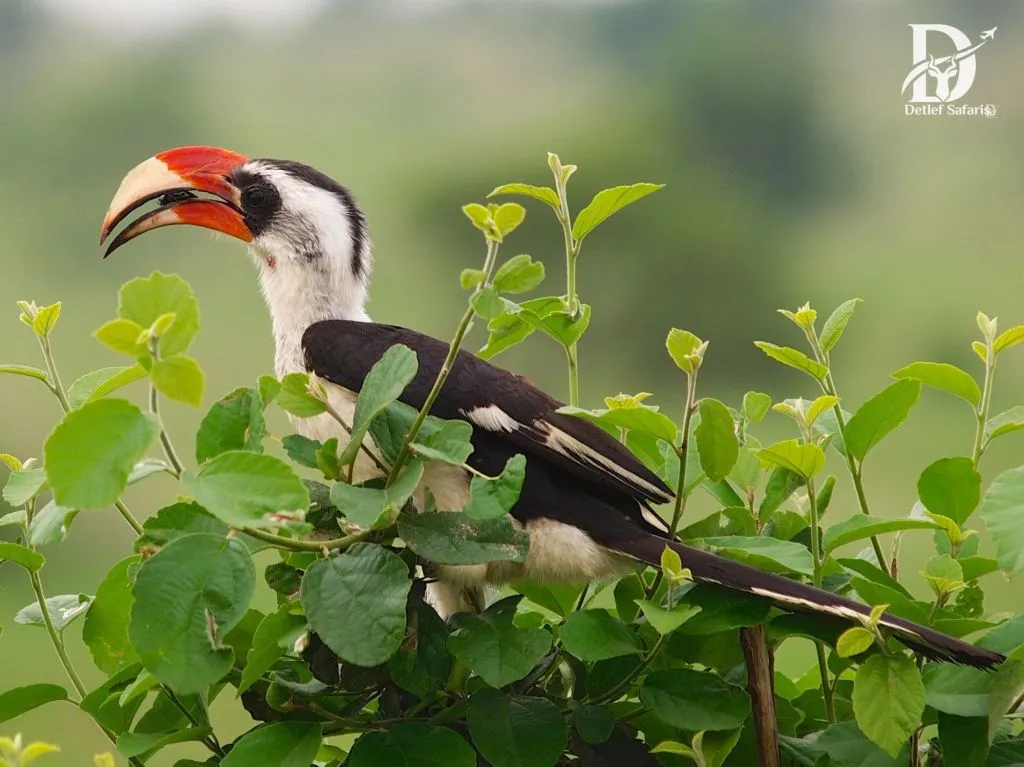 Tanzania
Tarangire’s 550 recorded species, plus bee-eaters and rollers in the Serengeti.
Bird Watching Safari Trips
These itineraries pass through some of Uganda’s richest birding areas. Tell us that birds are your priority and we will adjust the pace and add time for them, or design a route in Rwanda, Kenya or Tanzania.
Lodges for Birders
The right base lets you start at first light and come back to birds in the garden. These lodges suit birders, with guided walks, boat trips and long recorded bird lists on their doorstep.
- Kazinga Channel and 600 species: A boat trip brings you close to waterbirds, and the peninsula at Mweya Safari Lodge suits birders of every level.
- Bwindi forest birds: Walk the forest edge for Albertine Rift specialities between gorilla treks, from Buhoma Lodge.
- Guided forest walks: Trails that reveal birds, butterflies and smaller primates, in one of Uganda’s best forests for birding, from Sanctuary Gorilla Forest Camp.
- Kidepo’s long bird list: More than 450 species recorded, including many found nowhere else in Uganda, with Apoka Safari Lodge as your base.
- Shoebill and papyrus gonolek: Boat trips on Lake Ihema, including a sunset outing, in Akagera National Park, from Ruzizi Tented Lodge.
- Flamingos and 450 species: Look out over the soda lake from Lake Nakuru Sopa Lodge, above Lake Nakuru National Park.
- Resident ornithologist: Guided bird walks in the grounds at Ol Tukai Lodge in Amboseli, where bird watching is part of most days.
- Mount Elgon birding: The garden and nearby trails at Sipi River Lodge are good for birds, close to the Kapkwai forest trails.
Bird Watching Inspiration
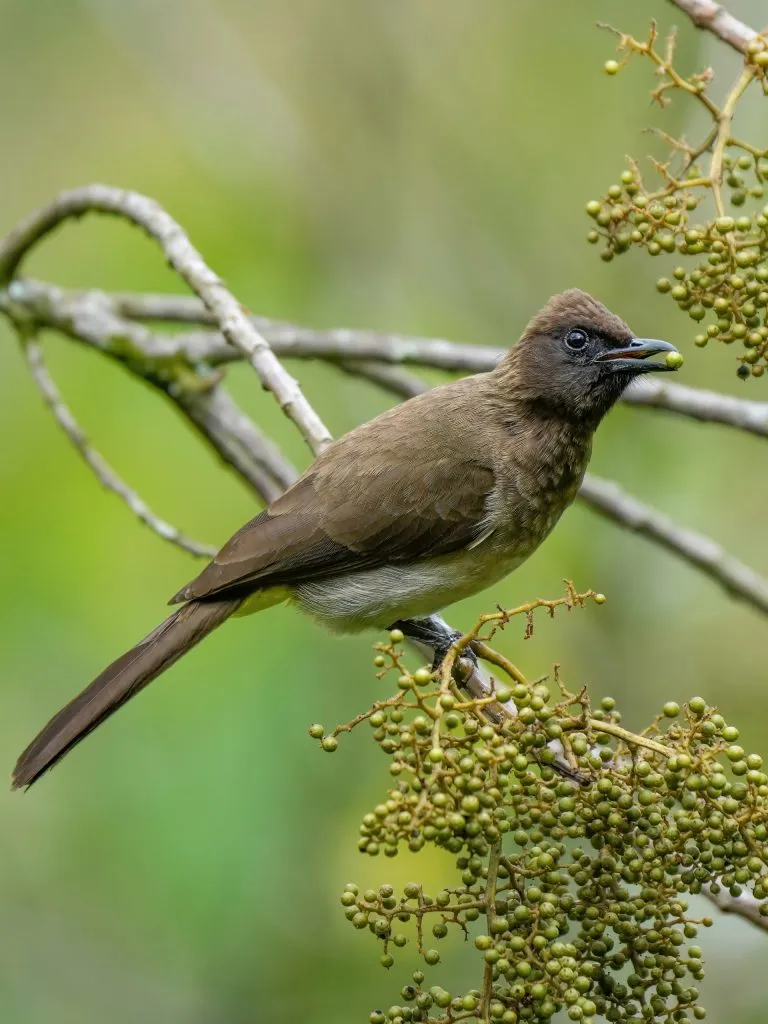
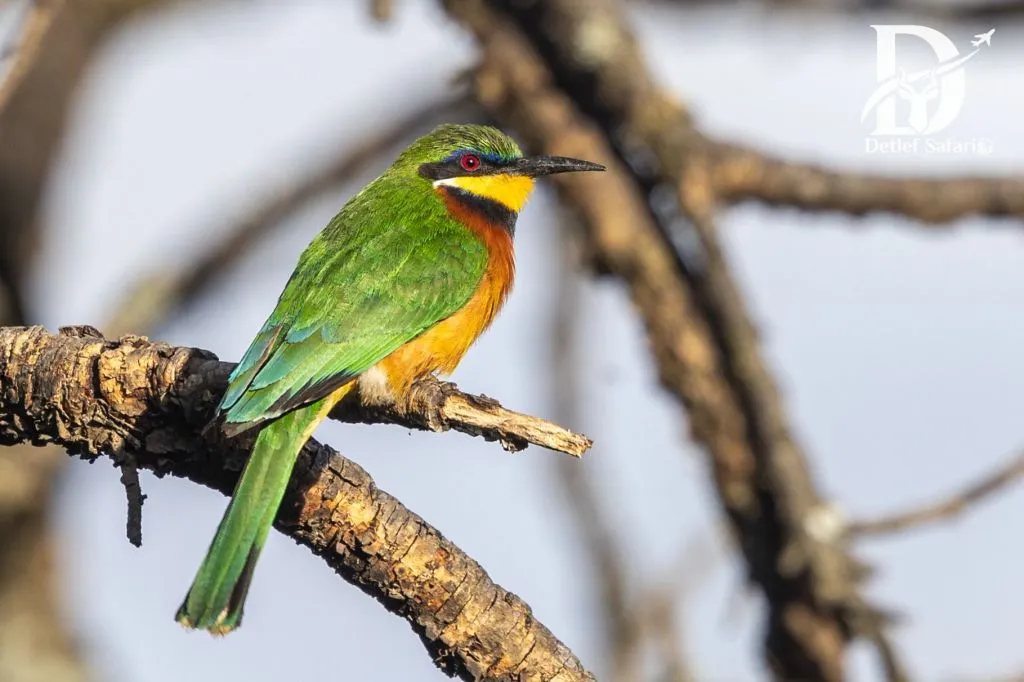
Good to Know
01.When is the best time for bird watching in East Africa?
Resident birds can be seen all year, and migrants from Europe and Asia add to the lists in the northern winter. The wetter months bring green scenery and good birding, for example in Kidepo from April to May and September to November, although some tracks are harder going. The drier months make roads and trails easier. We tell you what to expect for your dates.
02.Which country is best for bird watching?
Uganda has some of the longest bird lists, with more than 600 species recorded in Queen Elizabeth National Park, over 440 in Semuliki and more than 450 in Kidepo. Rwanda adds Albertine Rift specialities in Nyungwe and water birds in Akagera. Kenya and Tanzania suit savanna birds and flamingos, and Tarangire has over 550 recorded species. Many birders combine two countries.
03.Can we combine bird watching with gorilla trekking and game drives?
Yes. Bwindi, Kibale and Queen Elizabeth National Park sit on the same routes as gorilla trekking, chimpanzee tracking and game drives in Uganda, and lodges such as Buhoma Lodge offer guided forest walks between treks. We can build a route with time for both.
04.Do we need to be experienced birders?
No. Many of our lodges suit birders of every level, with guided walks and boat trips, and birds are a rewarding part of a safari even if you only have a casual interest. If you keep a life list, tell us which species you hope to see and we will plan around them.
05.Will we see a shoebill?
We cannot guarantee any sighting of wild birds. Boat trips on Lake Ihema in Akagera National Park are a good way to look for the shoebill and the papyrus gonolek, and we tell you honestly what to expect on your dates and in each area.
06.What should we bring for a bird watching safari?
Binoculars are the most important item, ideally with a field guide or an app, plus neutral clothing, a hat, sunscreen and insect repellent. A camera with a long lens helps. Early mornings can be cool, so pack a warm layer, and bring a rain jacket for forest walks.
Tell us the birds you hope to see and we will plan the right route
Share the species or habitats you most want to see, when you plan to travel and how long you have. We will suggest the parks, check the season and quote the trip for your dates.