
Uganda & Kenya Safari: Which Country Is Better?

Both countries deliver extraordinary wildlife and landscapes, but they suit very different travellers. A side-by-side look at parks, cost and what each does best.
Uganda & Kenya Safari: Which Country Is Better? Planning an African safari is one of the most exciting travel decisions anyone can make. Many travelers compare Uganda and Kenya because both countries offer incredible wildlife, breathtaking landscapes, and unforgettable adventures. Even though they share East Africa’s natural beauty, each destination delivers a very different safari experience. Understanding those differences helps visitors choose the destination that matches their travel style, budget, and expectations.
The question, “Uganda vs Kenya safari: which country is better?”, does not have one simple answer. The best choice depends on what you hope to experience during your journey. Some visitors dream of watching millions of wildebeest cross vast plains, while others want to hike through tropical forests to meet endangered mountain gorillas. Some travelers seek luxury safari lodges, while others prefer quiet national parks with fewer vehicles and a stronger connection to nature.
Uganda offers remarkable biodiversity, authentic cultural experiences, and rare wildlife encounters that few destinations can match. Kenya, on the other hand, stands as one of Africa’s most famous safari destinations, known for iconic landscapes, excellent wildlife viewing, and world-class tourism infrastructure. Both countries promise unforgettable memories, yet they appeal to different types of travelers.
This detailed comparison explores every important aspect of an East African safari. From wildlife and national parks to costs, accommodation, landscapes, accessibility, and overall visitor experience, you will discover everything you need to make an informed decision. By the end of this guide, choosing between Uganda and Kenya will become much easier.
Uganda & Kenya Safari: Which Country Is Better for Wildlife Experiences
Wildlife remains the main reason people travel to East Africa, and both Uganda and Kenya deliver exceptional game viewing. However, the wildlife experiences differ significantly because of each country’s geography, ecosystems, and conservation areas.
Uganda offers one of Africa’s richest collections of habitats. Dense rainforests, wetlands, open savannahs, crater lakes, rivers, and mountains create ideal environments for hundreds of animal species. Visitors can enjoy classic game drives while also exploring habitats that few safari destinations possess. This diversity allows travelers to experience several ecosystems during one trip.
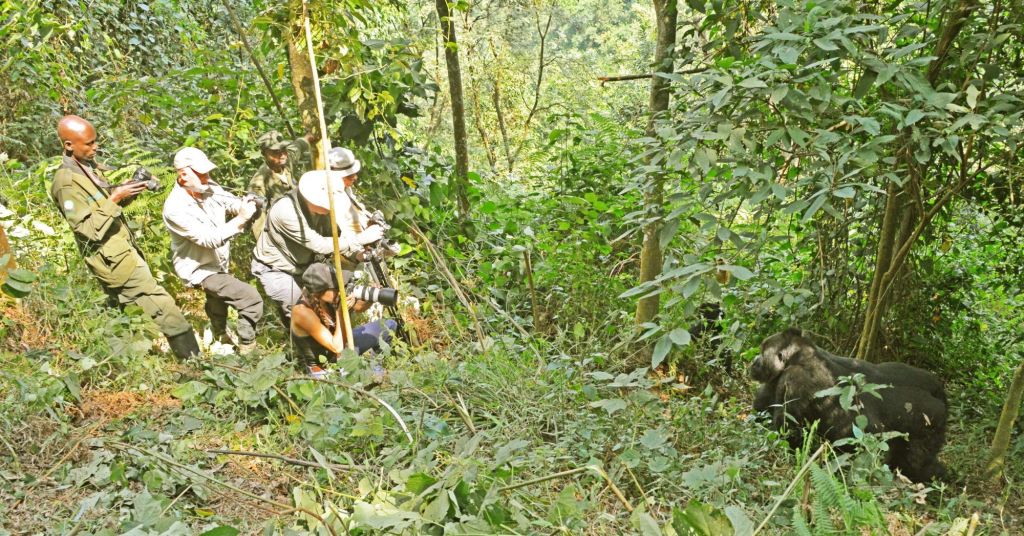
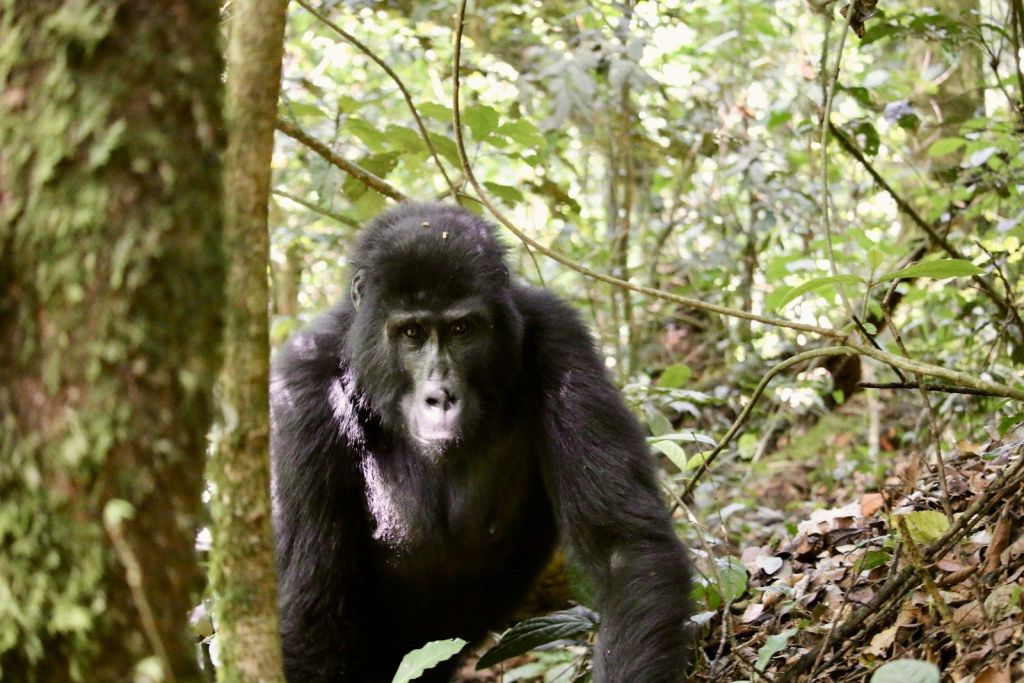
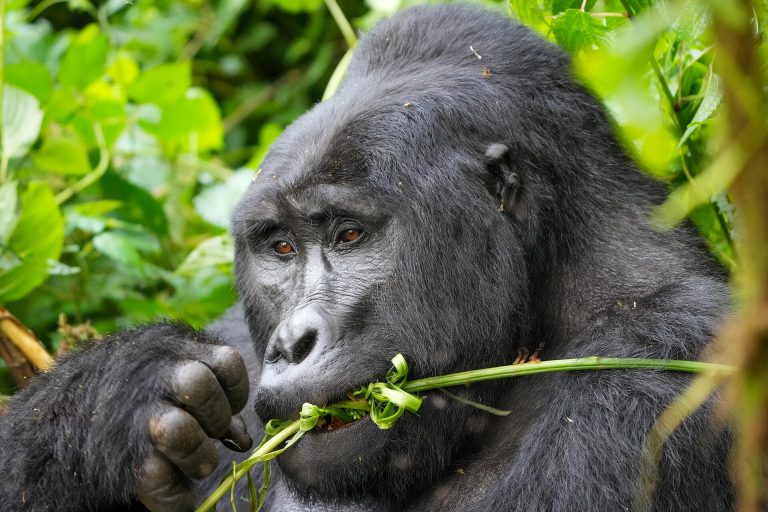
One of Uganda’s greatest attractions is mountain gorilla trekking. This once in a lifetime adventure takes visitors deep into ancient forests where endangered mountain gorillas live in their natural habitat. Watching a gorilla family interact at close range creates an emotional experience that many travelers describe as life changing. Uganda also provides opportunities to track wild chimpanzees, making it one of the few countries where visitors can see both great apes during the same holiday.
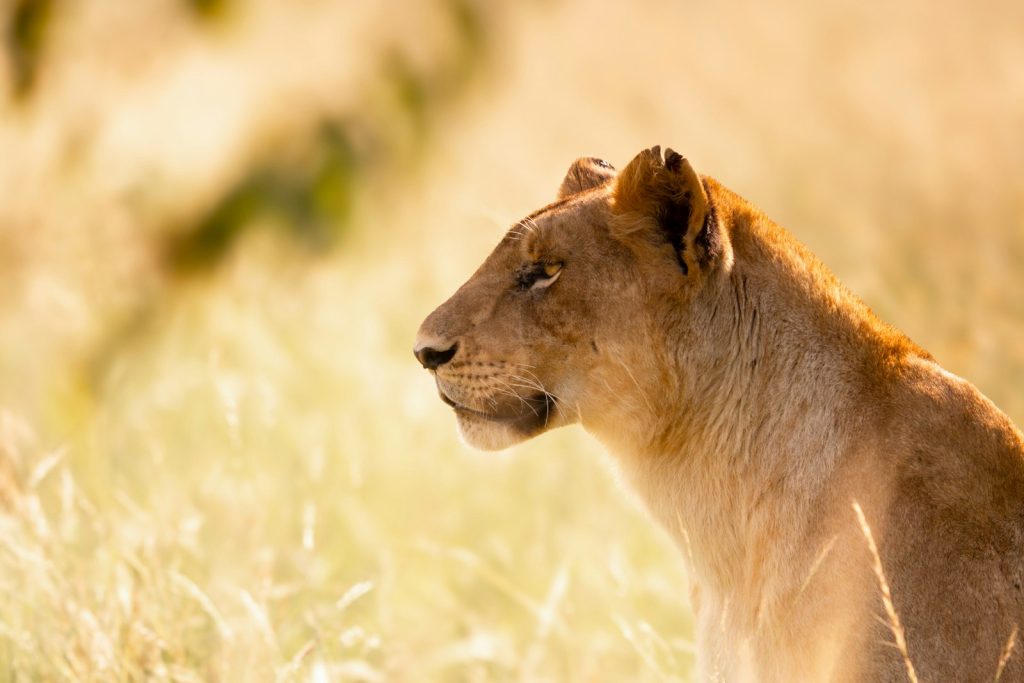
Beyond primates, Uganda supports elephants, lions, leopards, buffaloes, giraffes, hippos, crocodiles, zebras, antelopes, and hundreds of bird species. Unique attractions such as tree climbing lions in Queen Elizabeth National Park add another layer of excitement to a safari.
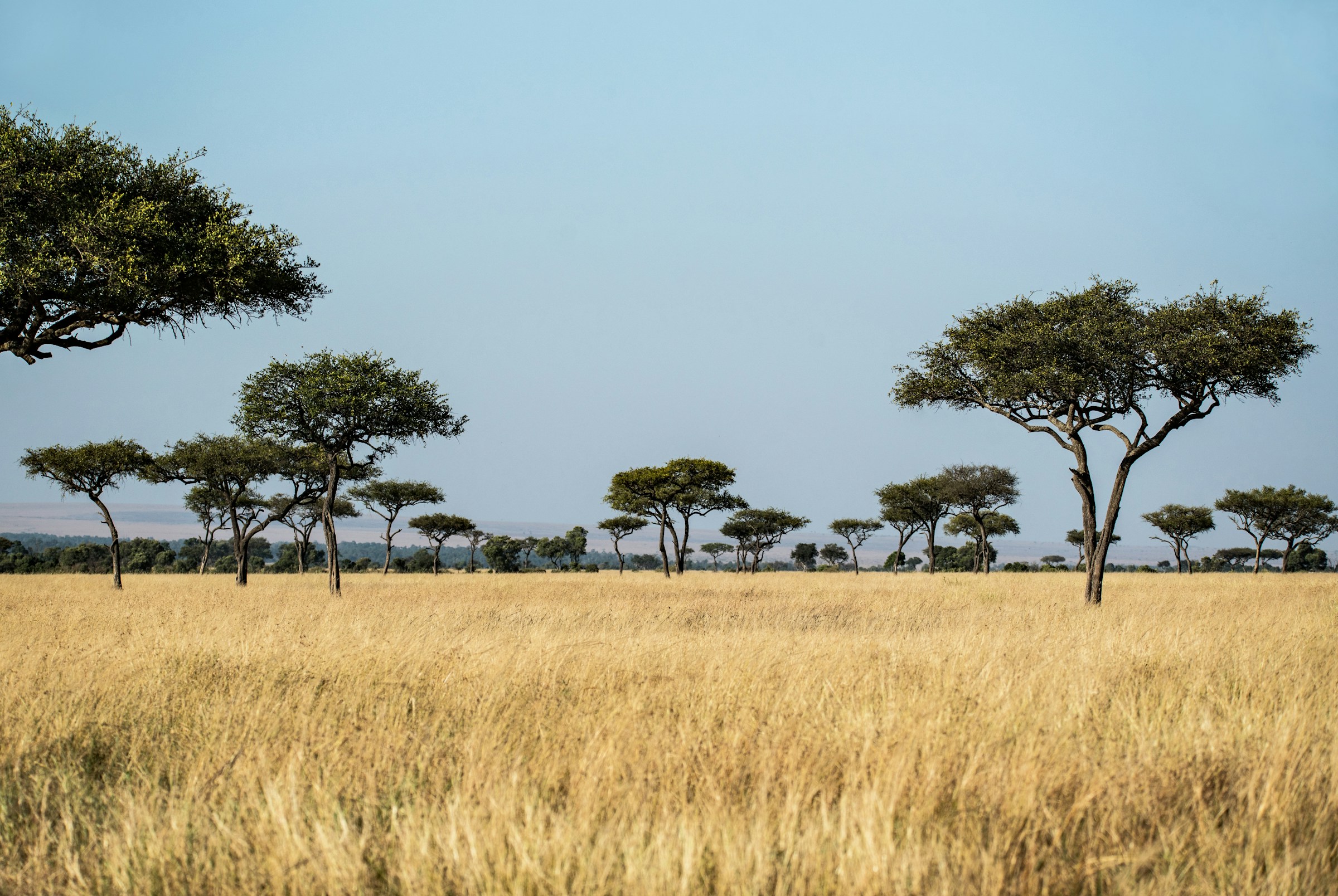
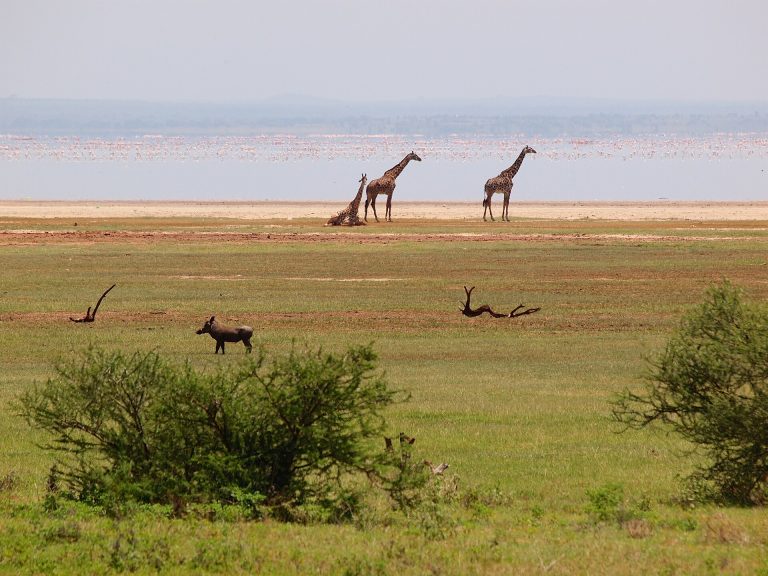
Kenya shines through its impressive concentration of large mammals across vast open plains. The country is famous for the Big Five, which include lions, elephants, leopards, buffaloes, and rhinos. Many visitors also witness cheetahs hunting, large herds of zebras, giraffes feeding on acacia trees, and thousands of wildebeests moving across the savannah.
Kenya’s wide landscapes make wildlife easier to spot compared to Uganda’s forests. During game drives, visitors often see many animals within a short period. This creates excellent opportunities for photography and first time safari experiences.
Although both countries provide remarkable wildlife viewing, Uganda offers greater biodiversity and unforgettable primate encounters, while Kenya excels in traditional African safari experiences across open grasslands.
National Parks and Safari Destinations
The quality of a safari often depends on the national parks you visit. Fortunately, both Uganda and Kenya protect extraordinary natural areas that showcase Africa’s diverse wildlife and landscapes.
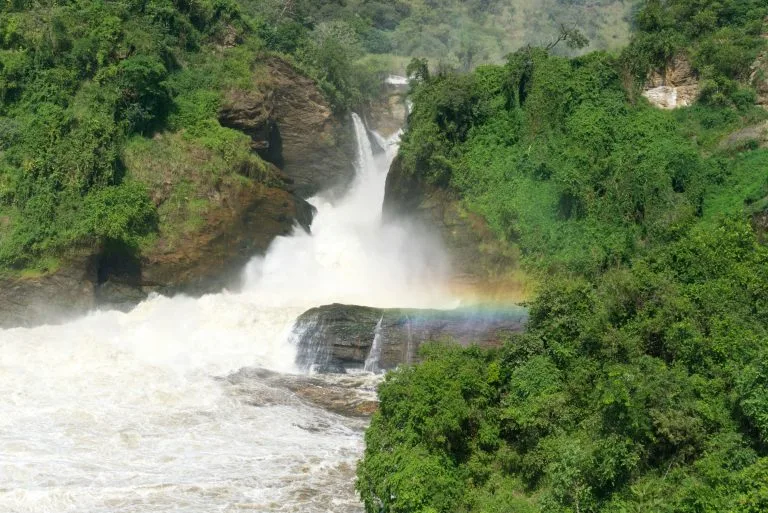
Uganda has ten national parks, each offering a unique experience. Queen Elizabeth National Park combines savannah wildlife, crater lakes, forests, and the Kazinga Channel into one incredible destination. Murchison Falls National Park impresses visitors with the powerful Nile River forcing its way through a narrow gorge before crashing into a dramatic waterfall. Kidepo Valley National Park provides one of Africa’s most remote safari experiences, where rugged mountains and expansive plains create spectacular scenery with very few tourists.
Bwindi Impenetrable National Park attracts travelers from around the world because it protects nearly half of the world’s remaining mountain gorillas. Mgahinga Gorilla National Park also offers gorilla trekking while providing stunning volcanic landscapes near the borders of Rwanda and the Democratic Republic of Congo. Kibale National Park has become one of Africa’s best destinations for chimpanzee tracking and rainforest exploration.
Kenya features several internationally recognized safari parks. Maasai Mara National Reserve remains the country’s most famous destination because of its abundant wildlife and annual Great Migration. Amboseli National Park offers breathtaking views of Mount Kilimanjaro alongside large elephant herds. Tsavo East and Tsavo West National Parks form one of Africa’s largest protected ecosystems, supporting diverse wildlife across dramatic volcanic landscapes.
Lake Nakuru National Park attracts bird lovers with its flamingos while also protecting endangered black and white rhinos. Samburu National Reserve introduces visitors to northern Kenya’s unique wildlife species, including Grevy’s zebra, Somali ostrich, and reticulated giraffe.
Uganda’s parks feel more natural, peaceful, and less crowded. Visitors often enjoy game drives without encountering many safari vehicles. Kenya’s parks generally receive higher visitor numbers because of their international reputation and easier accessibility. Travelers seeking solitude often prefer Uganda, while those hoping to experience Africa’s classic safari atmosphere frequently choose Kenya.
Combined Uganda, Kenya, Rwanda and Tanzania Safaris
Ready to compare the two in person? Explore our Uganda, Kenya, Rwanda and Tanzania safari pages, read when to travel in our guide to the best time to visit Uganda, or contact our team to plan a combined itinerary.
Plan it with people who know the ground
Our team lives and works in East Africa. Tell us when you hope to travel and what you most want to see, and we will suggest the best route, season and lodges for you.