
Wildlife in Lake Manyara you need to see

Wildlife in Lake Manyara is easy to underrate. The park is small and sits between Tarangire, Ngorongoro and the Serengeti. Many visitors treat it as a short stop. That is a mistake. In a few hours you can pass through forest, woodland, floodplain and lakeshore, and each habitat brings different animals.
This guide covers the wildlife in Lake Manyara you most want to see, from tree-climbing lions to flamingos. It also explains when to go and how to fit the park into a northern Tanzania safari.
Where to Find Wildlife in Lake Manyara
Lake Manyara National Park lies in northern Tanzania, at the foot of the Great Rift Valley escarpment. It covers roughly 330 square kilometres, and nearly two-thirds of that is a shallow alkaline lake. The drive from Arusha takes about two hours. Tarangire and the Ngorongoro highlands are each roughly an hour away.
The park packs several habitats into a small area. A groundwater forest of tall fig and mahogany trees grows near the entrance, fed by springs. Beyond it, acacia woodland opens onto grassland and then the lakeshore. Because the scenery changes so quickly, you see forest animals and plains animals on the same game drive.
Tree-Climbing Lions and Leopards
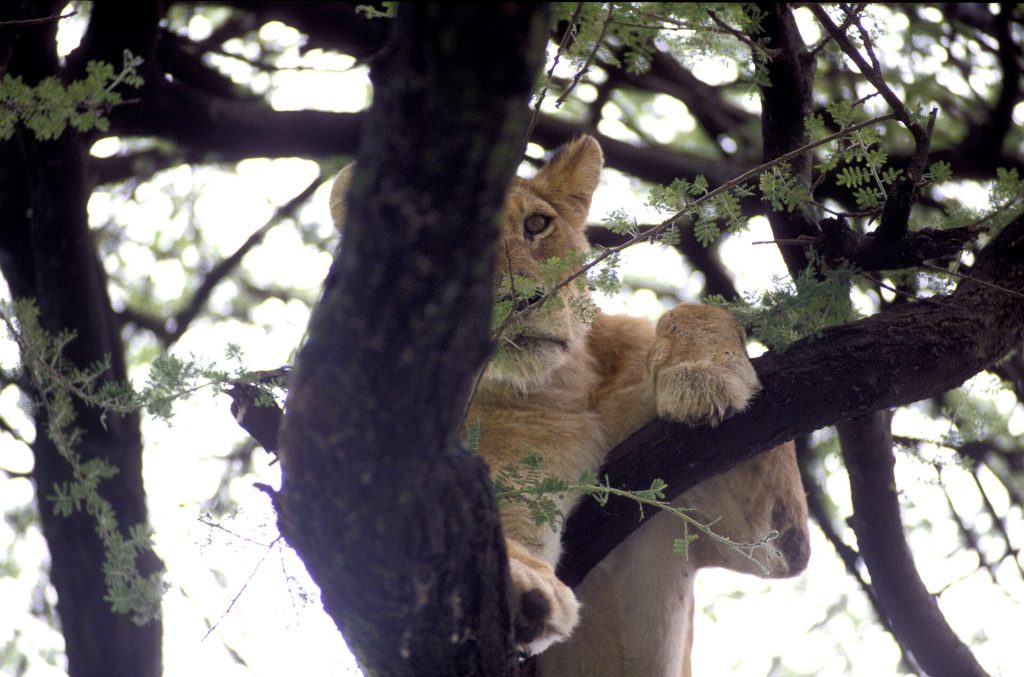
Tree-climbing lions. Lake Manyara is famous for lions that rest in trees. Lions in most parks stay on the ground, so the sight surprises almost everyone. Scientists still debate the reason. Escaping the heat, avoiding biting insects and gaining a view of prey are all suggested. Scan the branches as well as the grass. Sightings are never guaranteed, but a good guide knows where the pride has been resting.
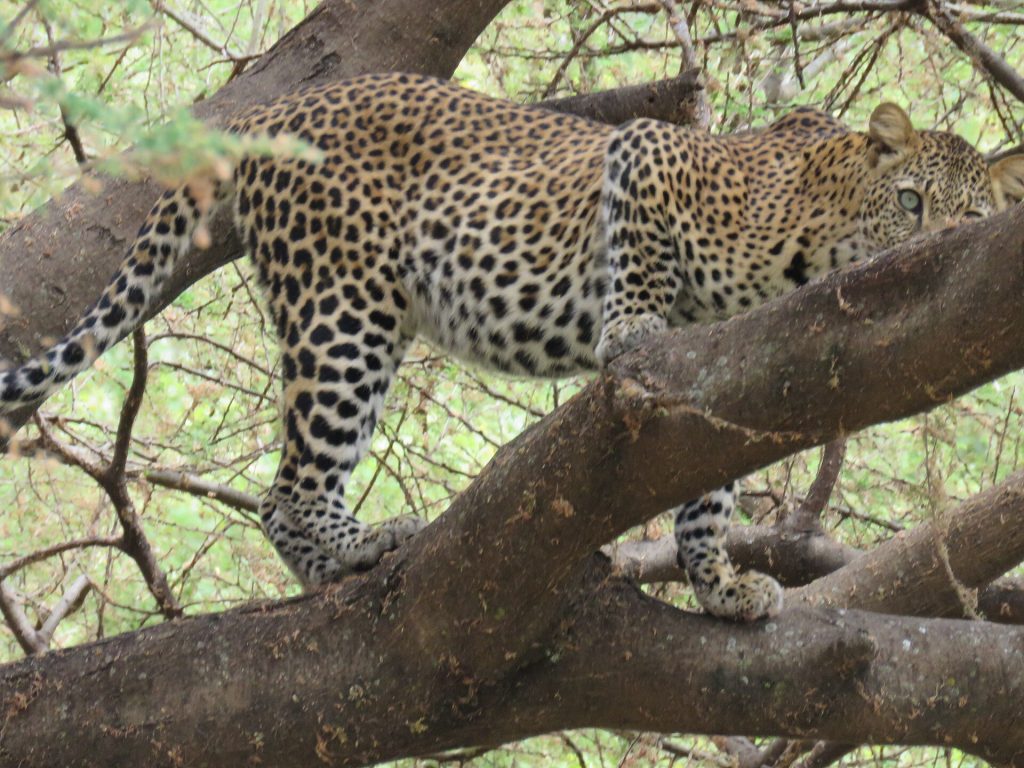
Leopards. These cats live here too and also use trees. They are far harder to find than the lions. A tail or a paw hanging from a branch is often your only clue. Patience and a guide with sharp eyes matter most.
Elephants, Hippos and Buffalo
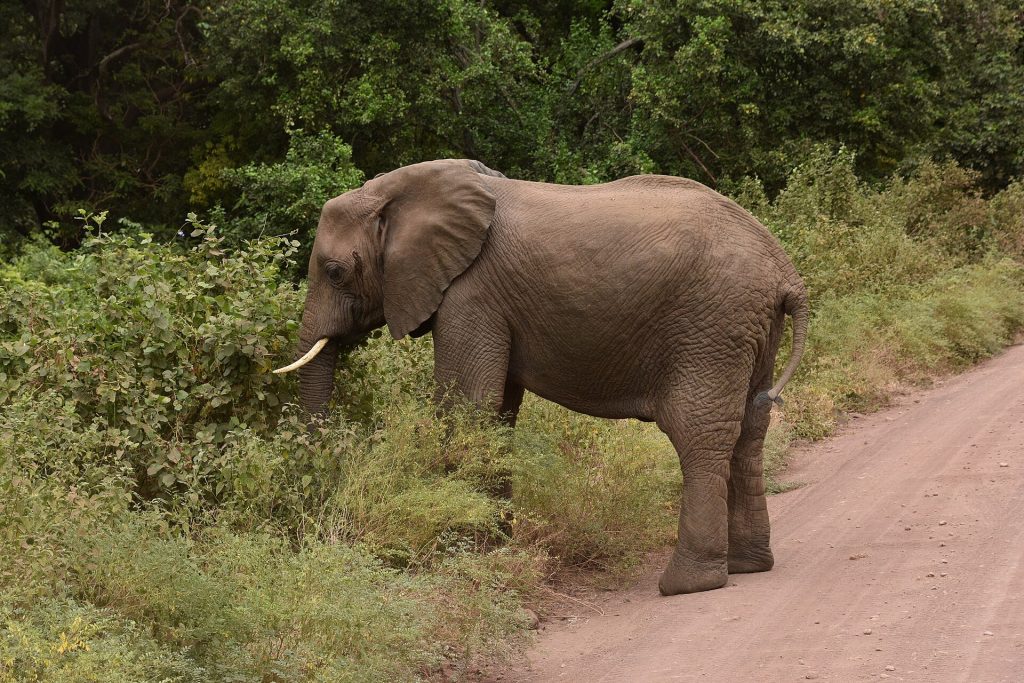
Elephants. Few animals are easier to find in the park. Family herds feed in the forest and along the tracks, and they often pass close to vehicles. Stay quiet and let the herd move at its own pace. Watch for small calves walking between the adults.
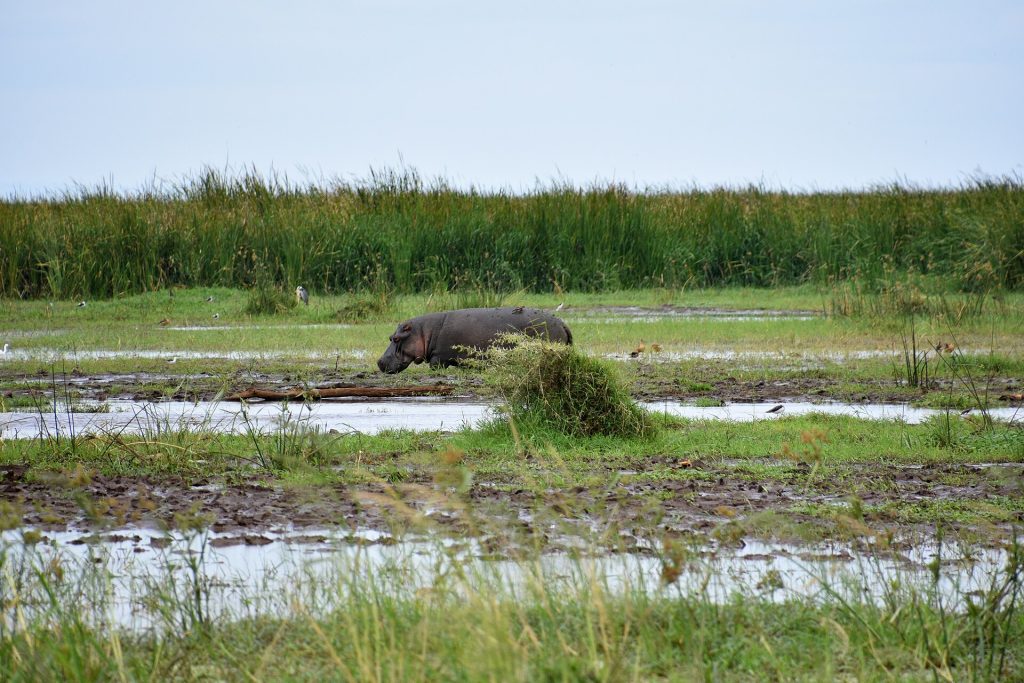
Hippos. These animals spend the day in water to stay cool. At the hippo pool you can watch them from a safe distance as they wallow, yawn and surface. You may also spot them in wetter patches elsewhere in the park.
Buffalo. Herds graze on the open ground near the lake. They look calm, yet they are among the most dangerous animals in Africa. Keep your distance and stay inside the vehicle.
Baboons, Giraffes and Other Plains Game
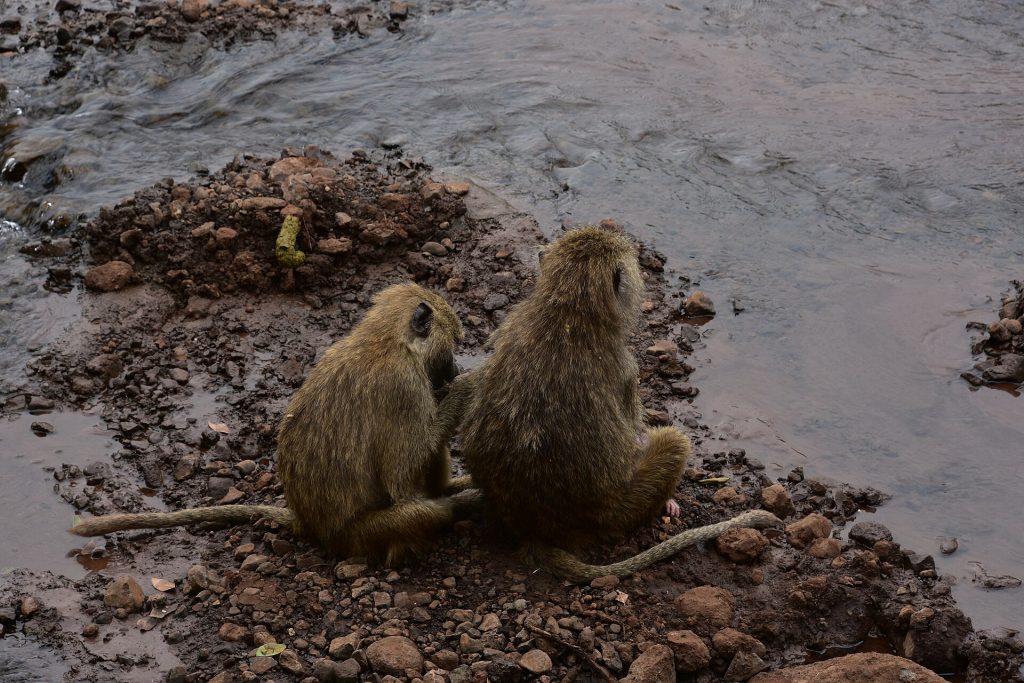
Baboons. Troops are common in the forest, and one can keep you entertained for a long time. Youngsters play while the adults groom each other. Keep food out of sight, because baboons are curious and quick.
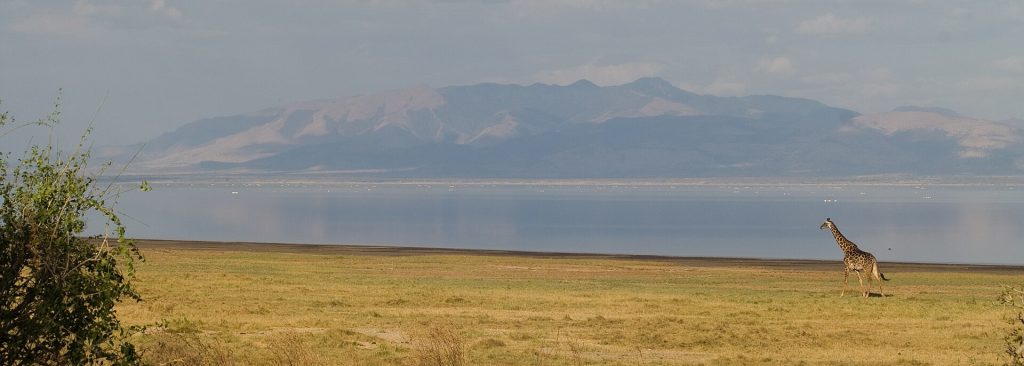
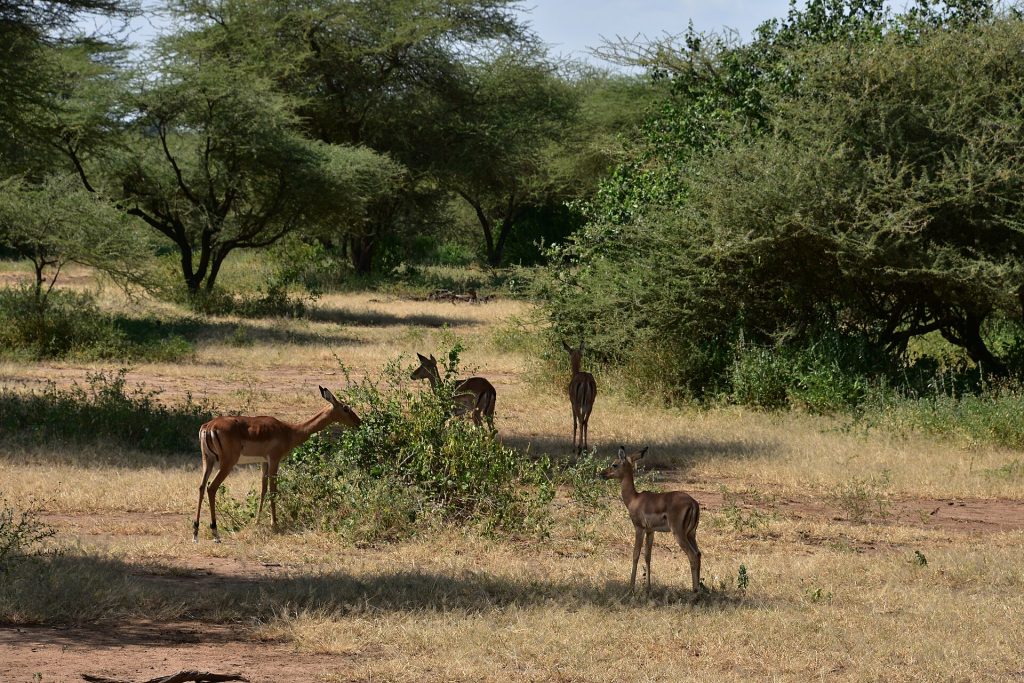
Giraffes, zebras and impala. Tall giraffes reach for acacia leaves above the track. Zebras graze on the open grass, and impala move through the woodland in small groups. Early and late in the day, the softer light makes them ideal subjects for photos.
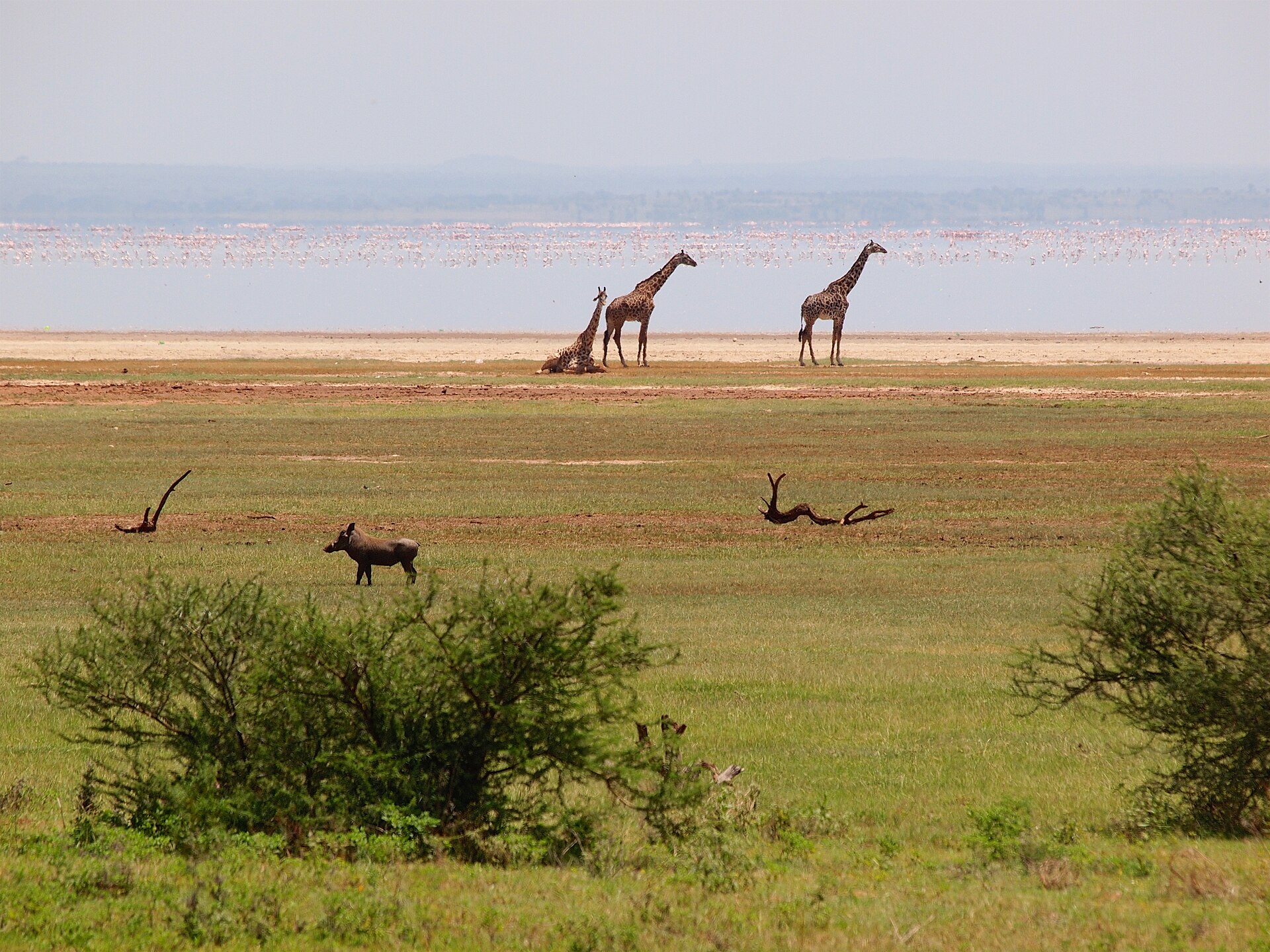
Warthogs and wildebeest. Look for warthogs trotting across the shoreline with their tails held upright. Wildebeest graze the grassland in smaller numbers. The Great Migration belongs to the Serengeti, but Lake Manyara offers a quieter look at the same plains animals.
Flamingos and Birdlife on the Lake
The lake is the centrepiece of the park. Flocks of flamingos feed in the shallows, and from a distance they look like a pink band along the shore. The numbers change with water levels and the season, so no two visits look the same.
Birds add another layer to the wildlife in Lake Manyara. They are a reason to visit on their own. Published counts range from about 380 to more than 400 species, covering waterbirds as well as forest birds. Even a first-time birder can tick off a long list in a single day.
Best Time to See Wildlife in Lake Manyara
The dry season, from June to October, is the best time to see wildlife in Lake Manyara. Animals gather near water, and the thinner vegetation makes them easier to spot. The wet months, roughly November to April, bring migrant birds and fresh green scenery. However, some tracks can turn muddy then. Water levels also affect the flamingos, so ask for a current report before you travel.
Plan a Safari to See Wildlife in Lake Manyara
Wildlife in Lake Manyara is best enjoyed as part of a longer northern circuit. Many travellers pair it with Tarangire National Park, the Ngorongoro Crater and the Serengeti. A morning game drive here fits neatly between those stops.
Detlef Safaris plans Tanzania safaris with transfers, lodges and guides arranged around your dates. Tell us when you want to travel and who is coming. We will suggest a route that includes Lake Manyara. Wildlife moves freely, so no sighting is guaranteed. We plan your time to give you the best chances.
Photo credits, all via Wikimedia Commons: lakeshore by John Mackenzie Burke (CC BY-SA 4.0); giraffe and buffalo by Fanny Schertzer (CC BY 2.5); lion by Wolves201 (CC BY-SA 4.0); leopard by Lovetza (CC BY-SA 4.0); elephant, hippo, baboons and impala by Richard Mortel (CC BY 2.0); zebras by LoJallen (CC BY-SA 4.0). Licences: CC BY-SA 4.0, CC BY 2.5, CC BY 2.0.
Plan it with people who know the ground
Our team lives and works in East Africa. Tell us when you hope to travel and what you most want to see, and we will suggest the best route, season and lodges for you.