
Family Safaris in East Africa
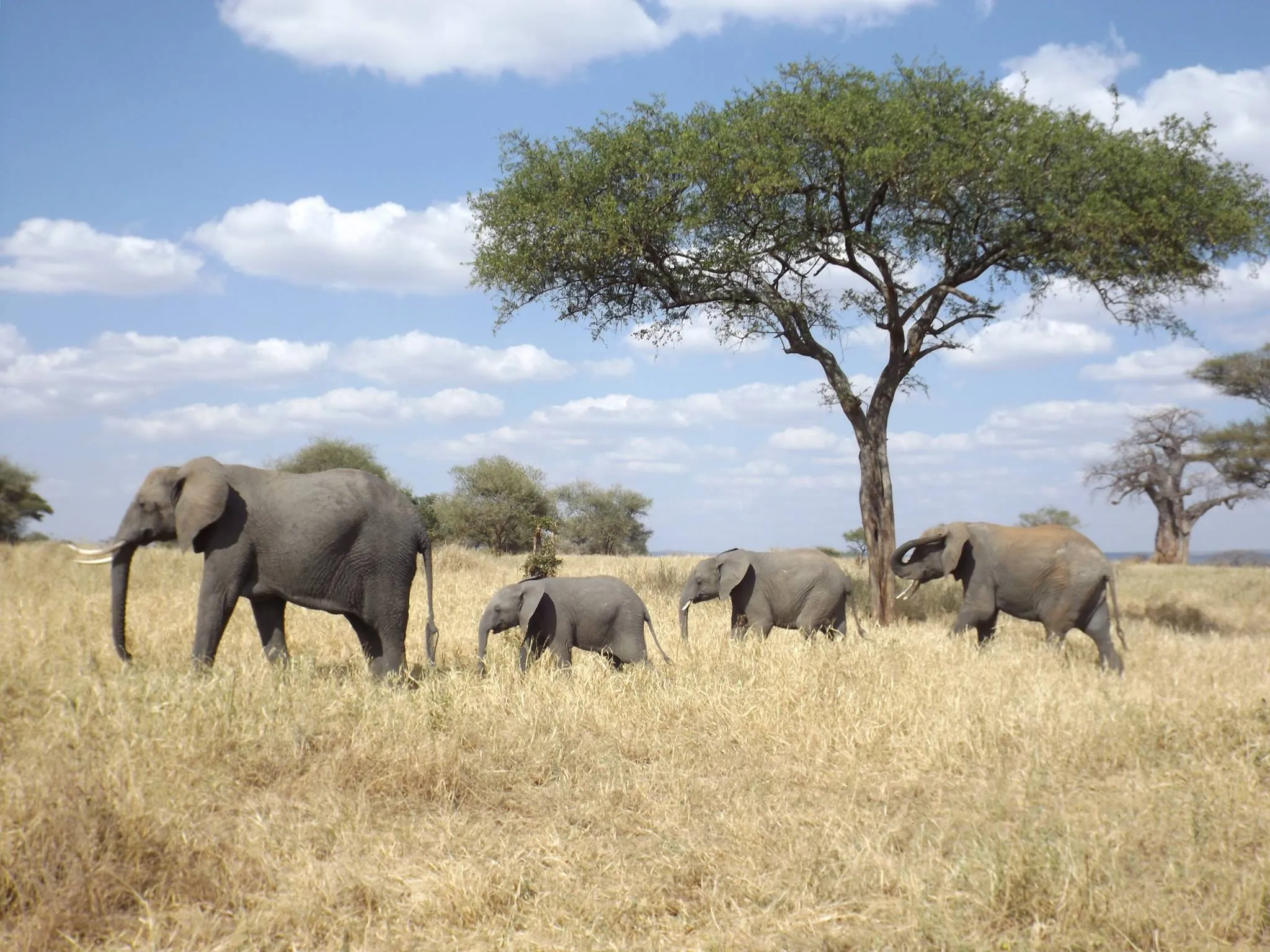
A family safari is the kind of trip children talk about for years: an elephant crossing the road in front of your vehicle, a hippo yawning in the river, a lion calling somewhere in the dark beyond the camp.
We are a Uganda-based team that plans safaris across Uganda, Kenya, Rwanda and Tanzania. For families we start with two questions: how old are the children, and how long can they comfortably spend in a vehicle? The right trip for a six-year-old is not the right trip for a sixteen-year-old, so we plan around the answers.
How to Plan a Family Safari
Pace matters more than the destination. Below is how we usually think about each age group, followed by the countries we work in, some example trips and the activities children enjoy most.
Safaris with young children (under 7)
Keep it short and slow. Two or three bases with two nights or more in each work better than five one-night stops, so nobody spends the holiday packing. Game drives are best in the early morning and late afternoon, with a long lunch and some time in the garden or by the pool in between.
Kenya suits this age well: the Maasai Mara and Amboseli are reached by short flights or road transfers, and many lodges there have lawns and relaxed meal times. Some camps set a minimum age for game drives or for staying at all, so we check that before suggesting anything. Malaria is present in all four countries we work in, so speak to a travel doctor early about the right precautions for young children.
Children aged 7 to 12
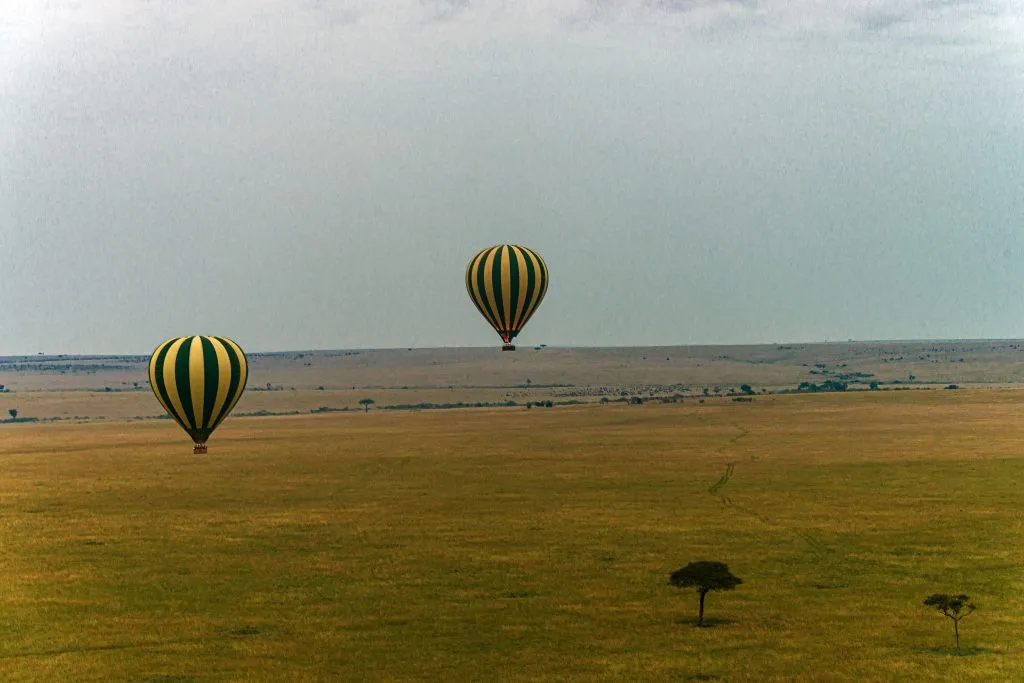
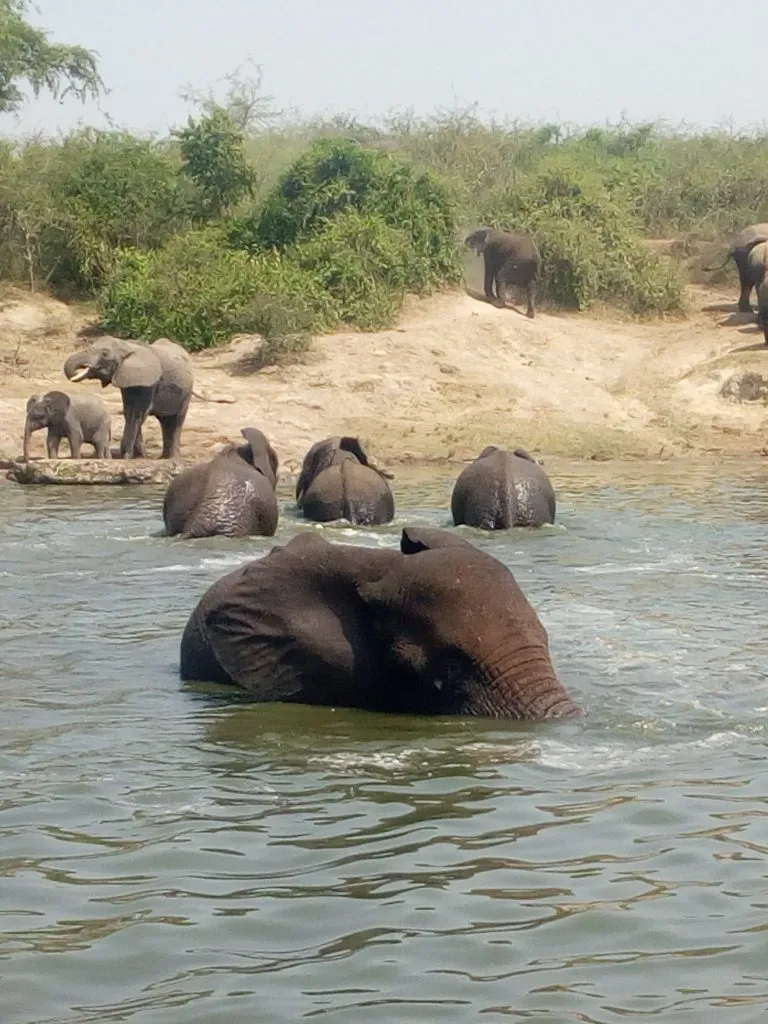
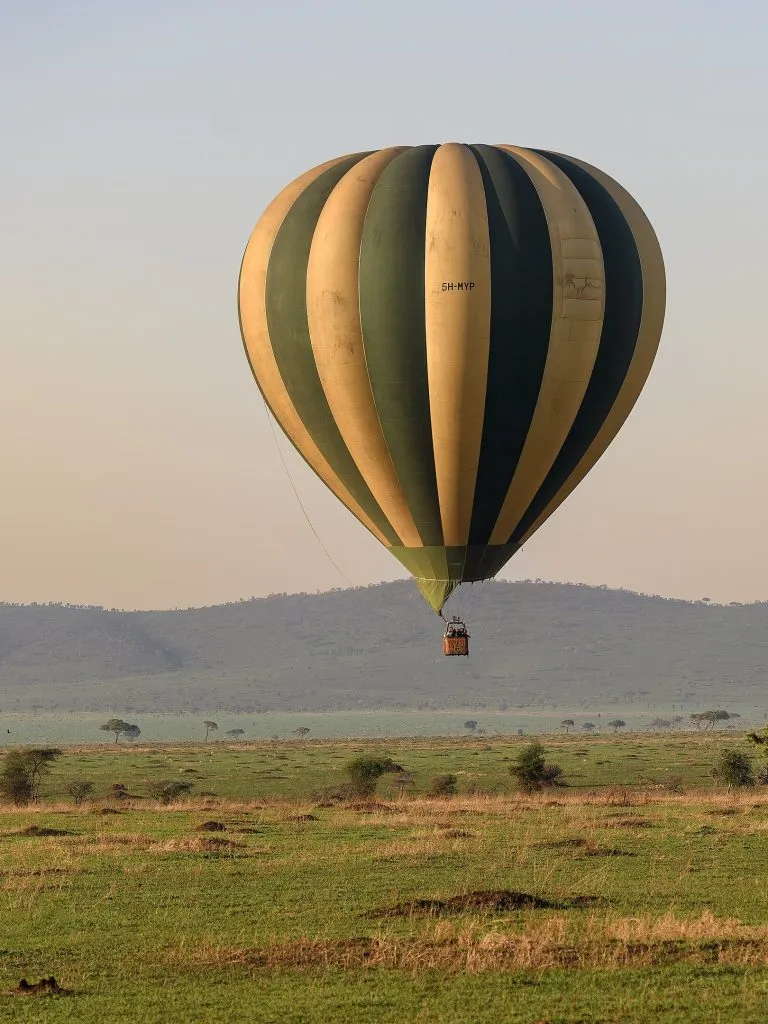
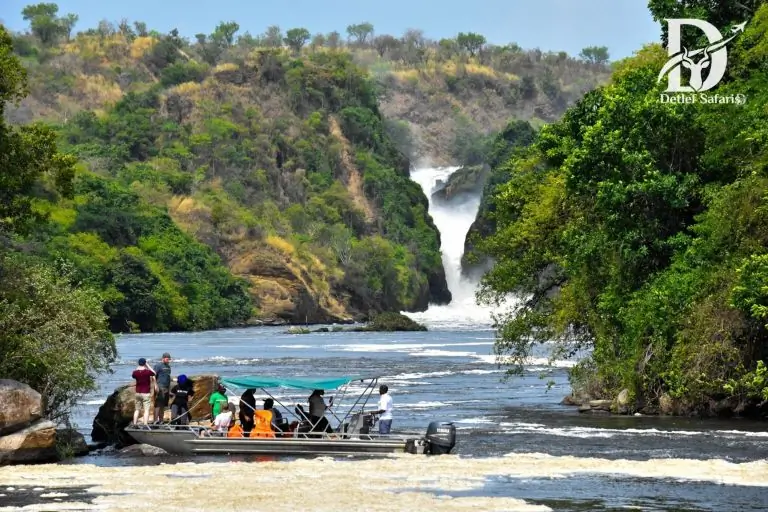
This is the age when children begin to notice details and ask a lot of questions. Choose places where there is something to do between game drives. A boat trip on the Kazinga Channel in Uganda puts hippos and elephants at the water’s edge, and hot-air balloon flights over the Maasai Mara or Serengeti are unforgettable, though operators set their own minimum ages.
Village visits, bird walks, coffee tours and dance performances break up the days. Kenya, northern Tanzania and western Uganda all work well for this age group.
Teenagers
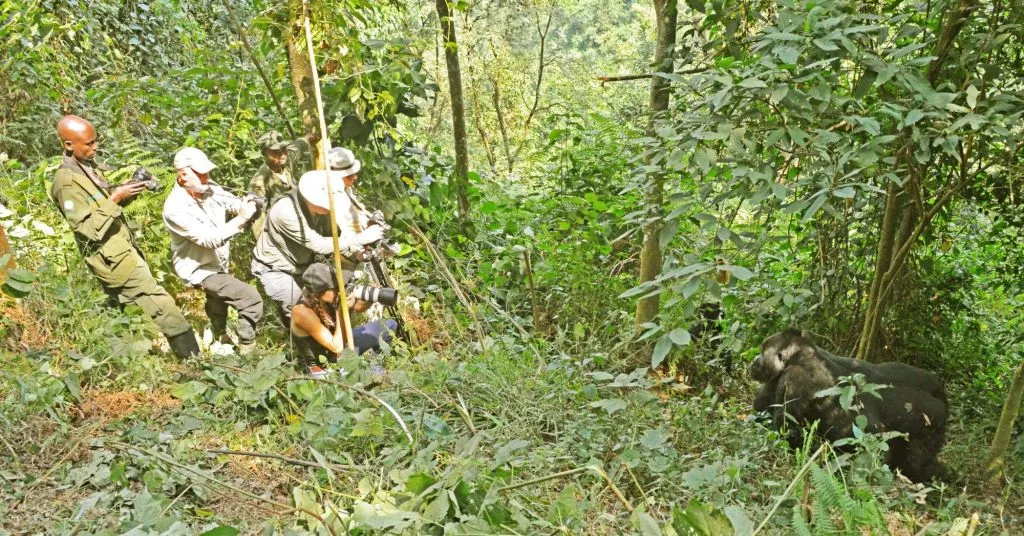
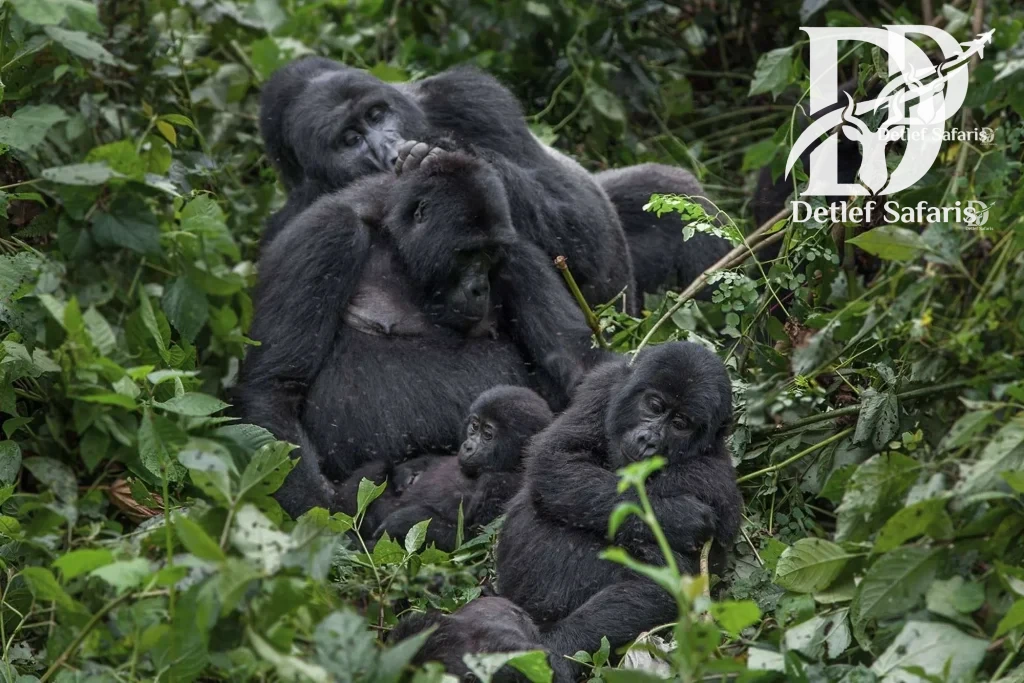
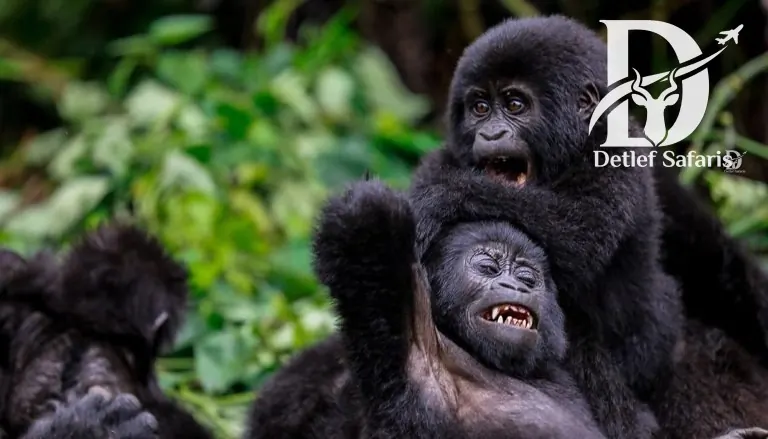
Older children can do the things younger ones cannot. Gorilla trekking in Uganda and Rwanda has a minimum age of 15, and the hike can be steep and muddy, so we match the sector to your family’s fitness. Chimpanzee tracking, volcano hikes, walking safaris and longer days on the road also become possible.
Teenagers usually enjoy a little independence too, so we look for lodges with something for them to do after dinner and rooms close to yours.
Grandparents, cousins and a beach finish
A multi-generational trip works well when the pace is gentle and the rooms are close together. We choose lodges with easy access, fewer steps and flexible meal times, and we keep drives shorter on the days when the whole group travels together.
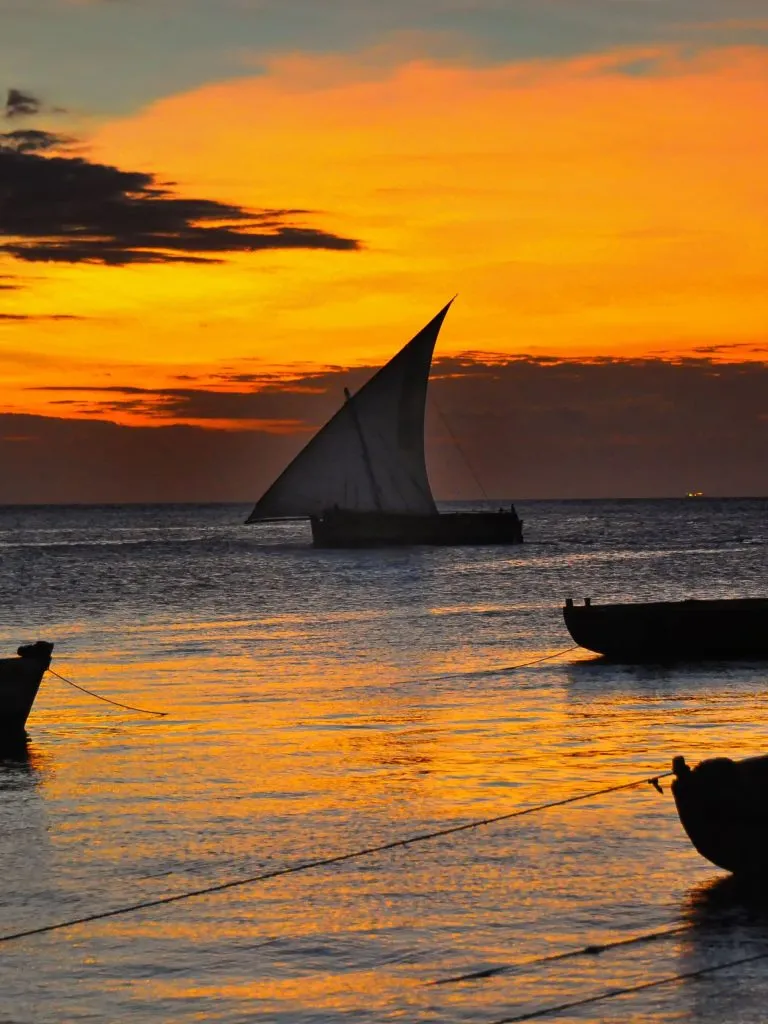
Many families end on Zanzibar’s coast, where everyone can rest, swim and watch the dhows after the safari.
Destinations for Families
 Uganda
Boat cruises, crater lakes and chimpanzees, with gorillas for teens.
 Kenya
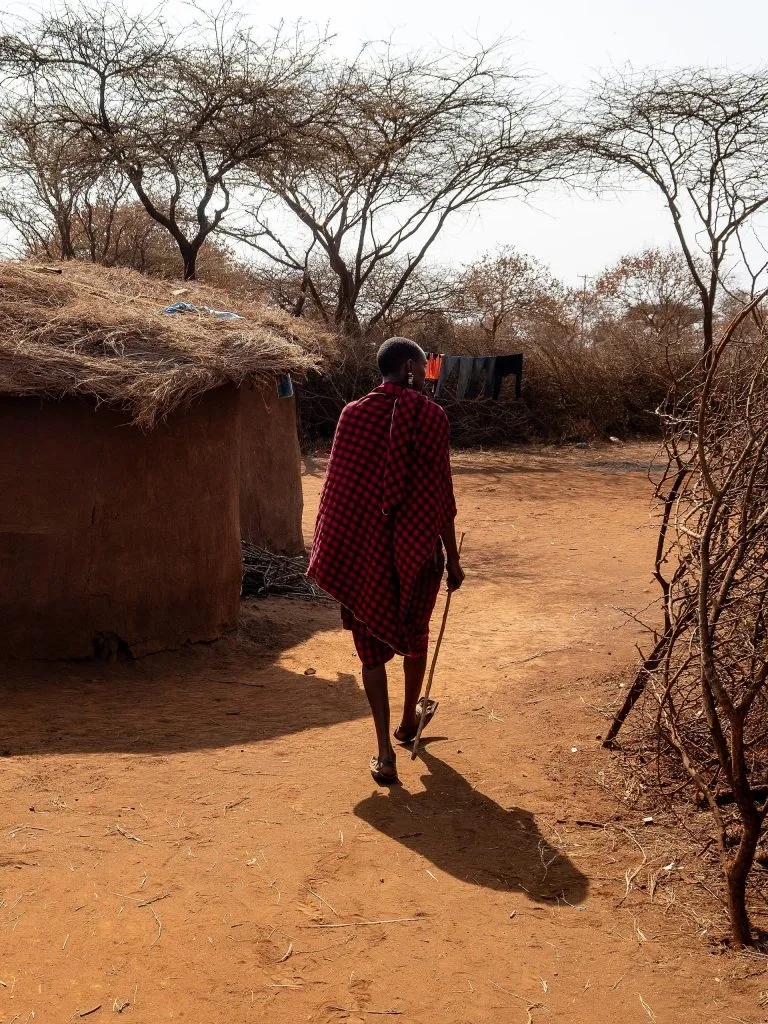
Big herds in the Maasai Mara and Amboseli, with short flights between camps.
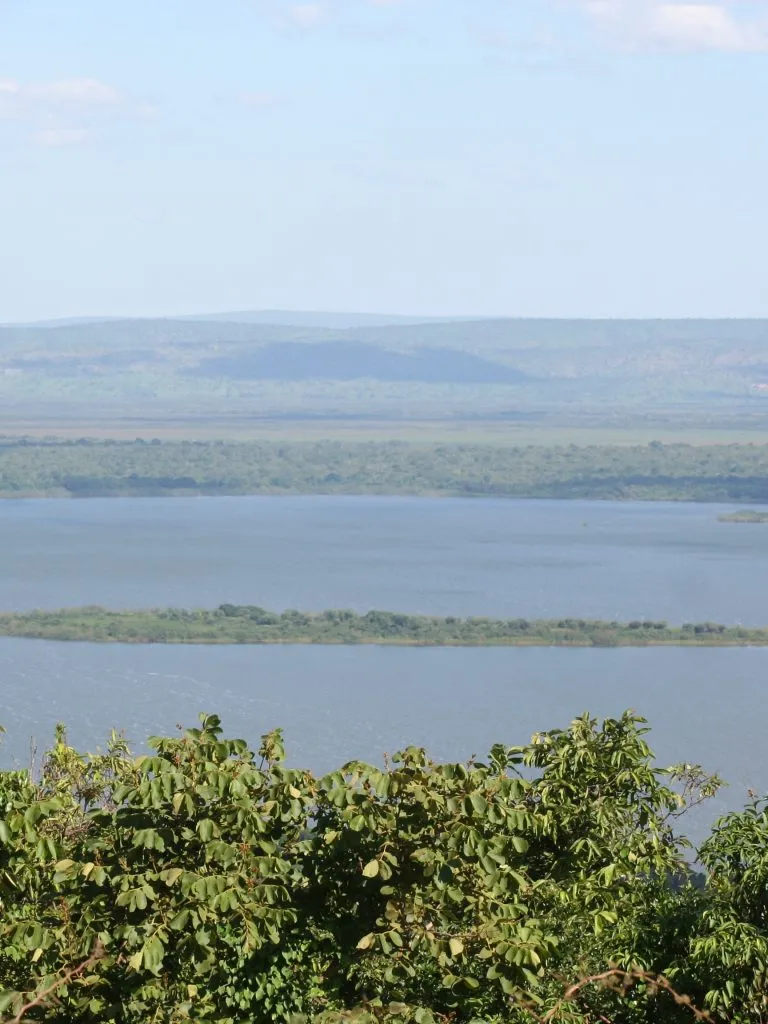 Rwanda
Compact and easy to travel, with the volcanoes for teens and game drives in Akagera.
 Tanzania
The Serengeti and Ngorongoro Crater, with Zanzibar for a beach finish.
Family Safari Trips
These itineraries suit older children and teens, because each includes gorilla trekking or chimpanzee tracking. For younger families we design Kenya and Tanzania trips on request. Just tell us the children’s ages.
Activities Children Love
Many of our lodges offer activities that break up the game drives. A few examples to build a family trip around:
- Kazinga Channel boat cruise: Hippos, buffalo and elephants at the water’s edge, with Mweya Safari Lodge on the Mweya peninsula as your base.
- Hot-air balloon flights: Drift over the Maasai Mara at sunrise, staying at Mara Serena Safari Lodge. Minimum ages apply.
- Village visits: Meet Maasai families and learn how they live near Amboseli, from Amboseli Serena Safari Lodge.
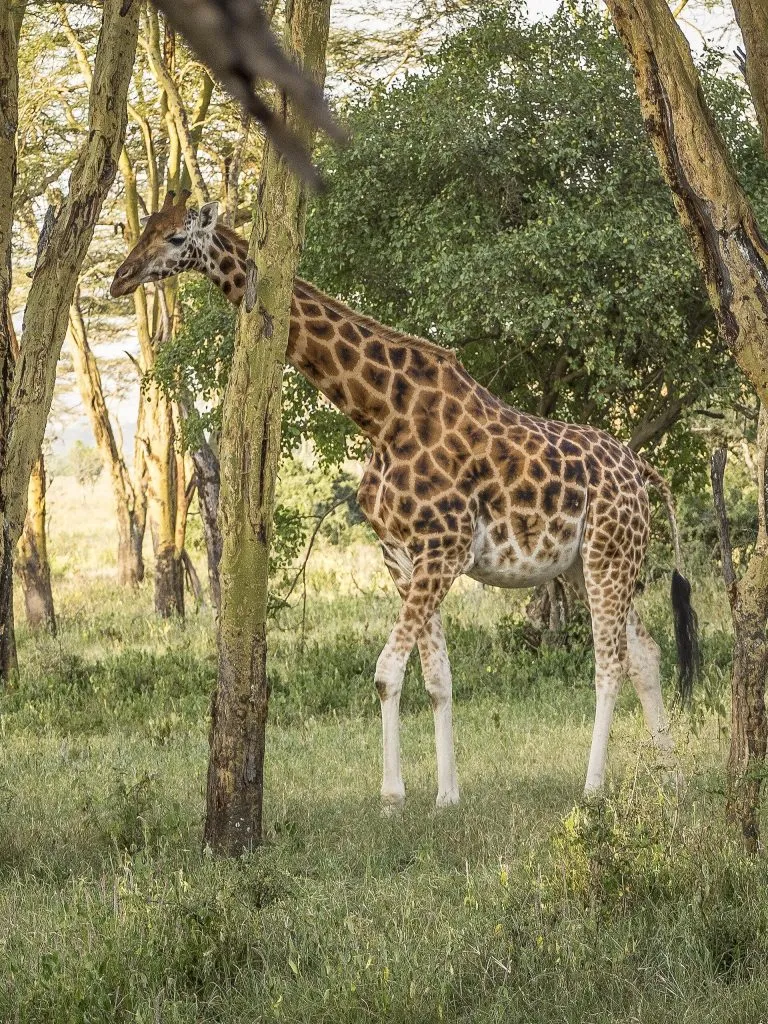
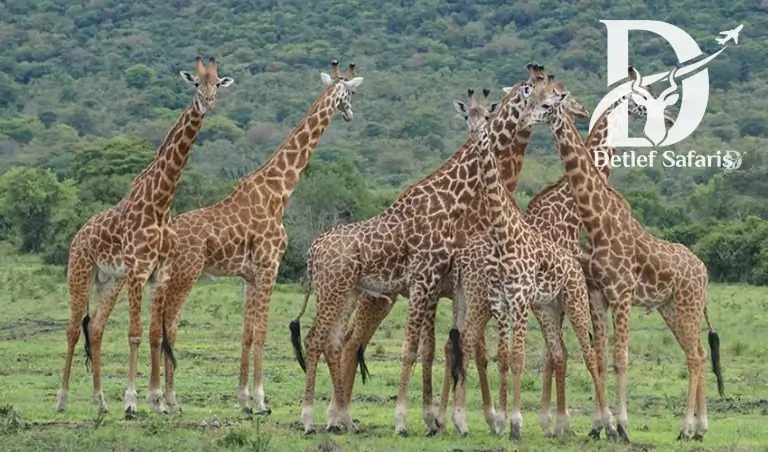
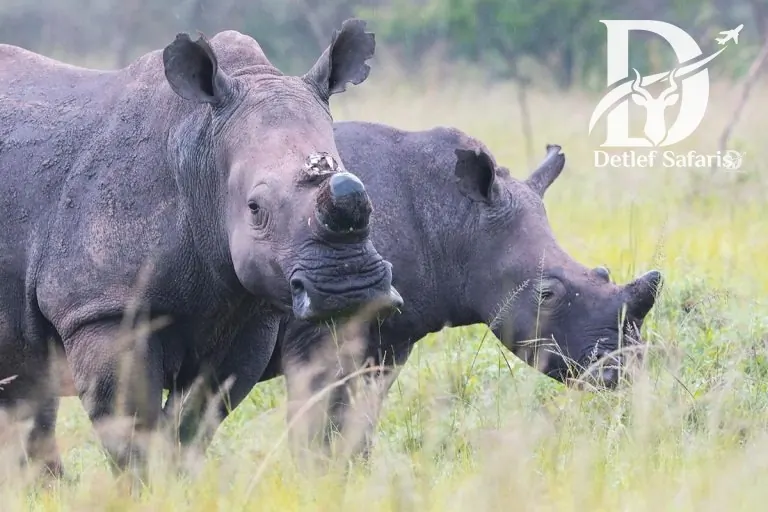
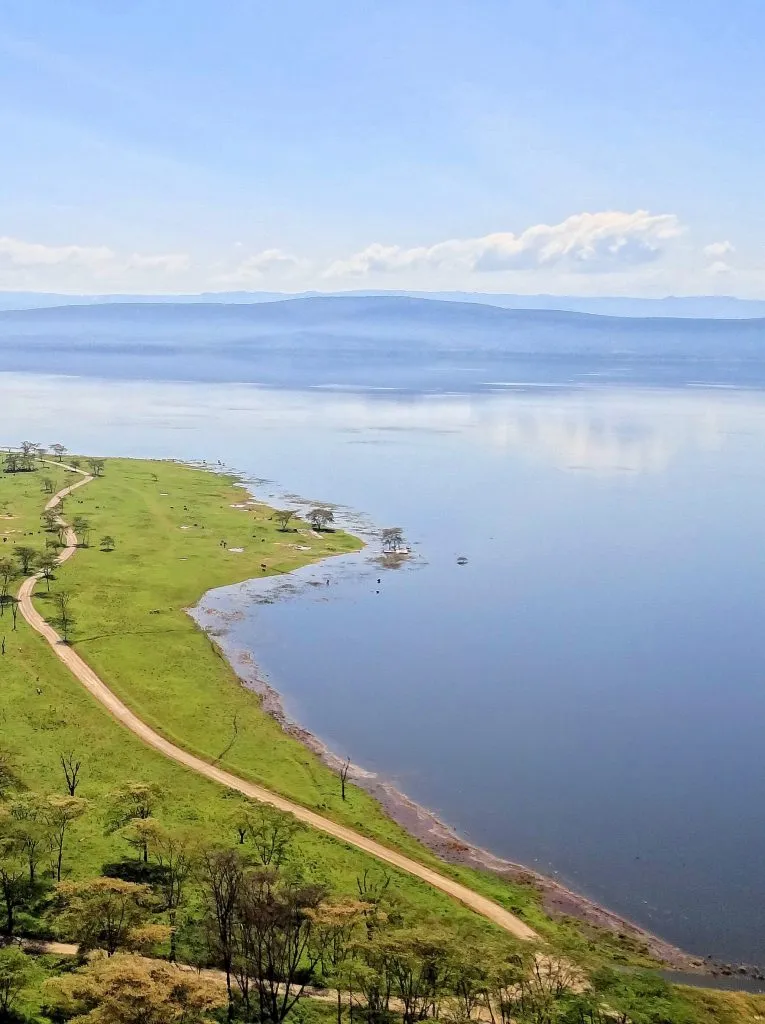
- Flamingos at Lake Nakuru: An easy outing along the lake shore, with giraffe and rhino in the park, from Lake Nakuru Sopa Lodge.
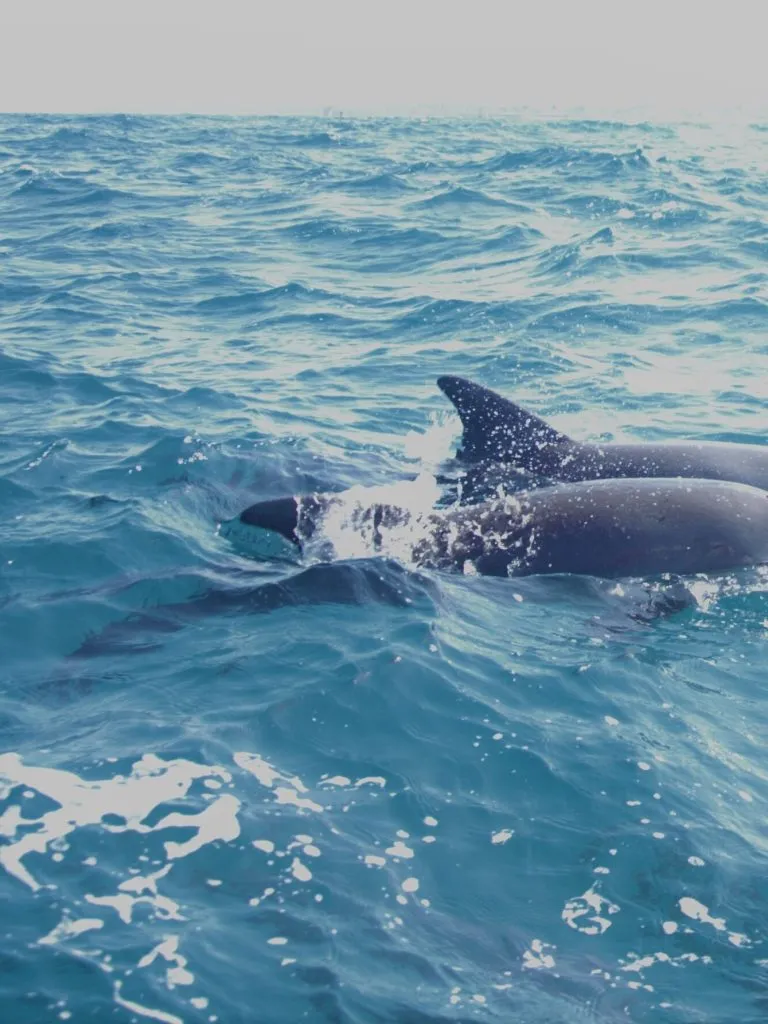
- Dolphin watching: Boat trips from Kizimkazi on Zanzibar’s southern coast, staying at Aya Beach Resort.
- Intore dancing: Rwanda’s traditional dance, performed with drums and energy, around a stay at Ruzizi Tented Lodge.
- Village cycling: Ride through nearby villages with a local cycling enterprise, from Sanctuary Gorilla Forest Camp.
- Coffee tours: Follow Arabica coffee from picked cherry to cup and roast your own, with Sipi River Lodge as your base.
Family Safari Inspiration
Good to Know
01.What do we need to pack for a family safari?
Light layers in neutral colours such as khaki, green and brown, a warm layer for early mornings, a sun hat, sunscreen, insect repellent, sturdy closed shoes and a small pair of binoculars for each child. Soft bags are easier for small aircraft with baggage limits. Bring any regular medication and a simple first-aid kit.
02.What is the best age to take children on safari?
There is no single best age. Many families enjoy it from about six or seven, when children can sit through a game drive and remember it. Younger children can go too, but the trip needs a gentler pace and fewer moves. Some lodges and activities set minimum ages, and gorilla trekking in Uganda and Rwanda is for ages 15 and over.
03.What should a family safari itinerary include?
Two or three bases with at least two nights in each, game drives with a rest in the middle of the day, and at least one activity that is not a game drive, such as a boat trip, a village visit or a walk. Keep transfers short for younger children and leave time for the pool.
04.Will we need anti-malaria medication?
Malaria is present in Uganda, Kenya, Rwanda and Tanzania, although the risk varies by area and season. A travel doctor or travel clinic will recommend the right protection for each family member, including young children. We can tell you where each lodge is and advise on nets, repellent and covering up in the evenings, but we cannot give medical advice.
05.Is a family safari in East Africa safe?
Safaris here are run by trained guides who know the animals and the ground. Children stay in the vehicle on game drives, follow the guide on walks and keep to each camp’s rules after dark. Check your government’s current travel advice before you book, and we will talk you through each destination.
Tell us about your family and we will plan the right pace
Share the children’s ages, when you hope to travel and what excites them most. We will suggest where to go, check lodge age rules and quote the trip for your dates.