
Wildlife Safaris in East Africa
A wildlife safari in East Africa is built around moments you cannot stage: a lioness leading her cubs across the plains at dawn, a river crossing that sends thousands of wildebeest into the water, a herd of elephants walking out of the dust beneath Kilimanjaro.
We are a Uganda-based team that plans safaris across Uganda, Kenya, Rwanda and Tanzania. Each country is best at something different, so we start with the animals you most want to see, then choose the parks, the season and the pace that give you the best chance of seeing them.
How to Choose a Wildlife Safari
The best wildlife safari is the one that matches your priorities. Below are the animals and spectacles travellers ask about most, where we usually see them, followed by the countries we work in, example trips and the experiences worth building a route around.
Big cats: lion, leopard and cheetah
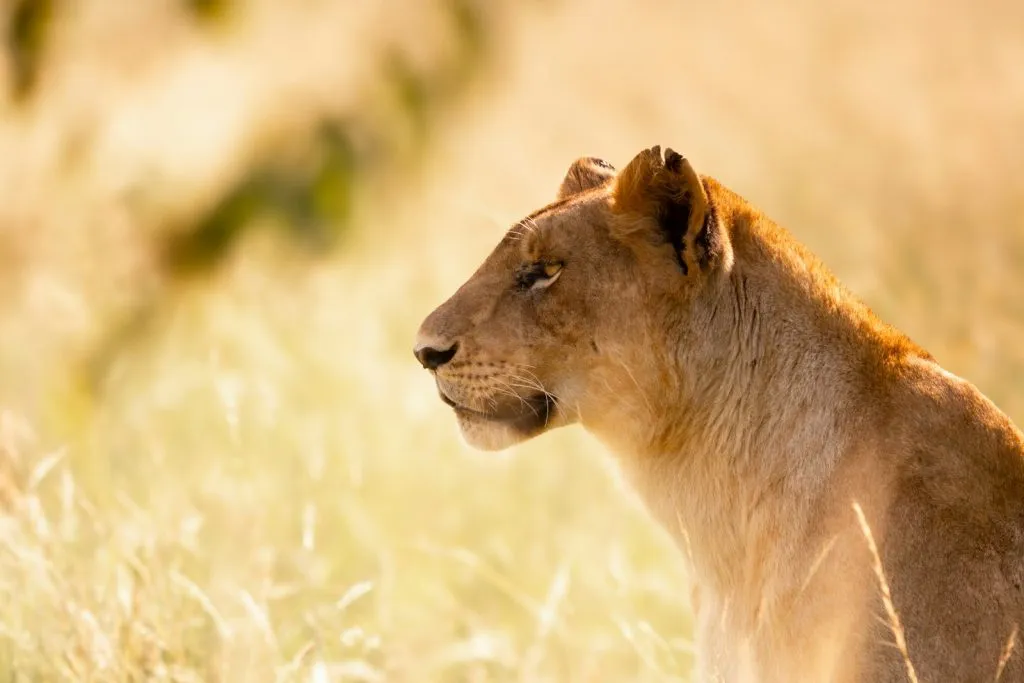
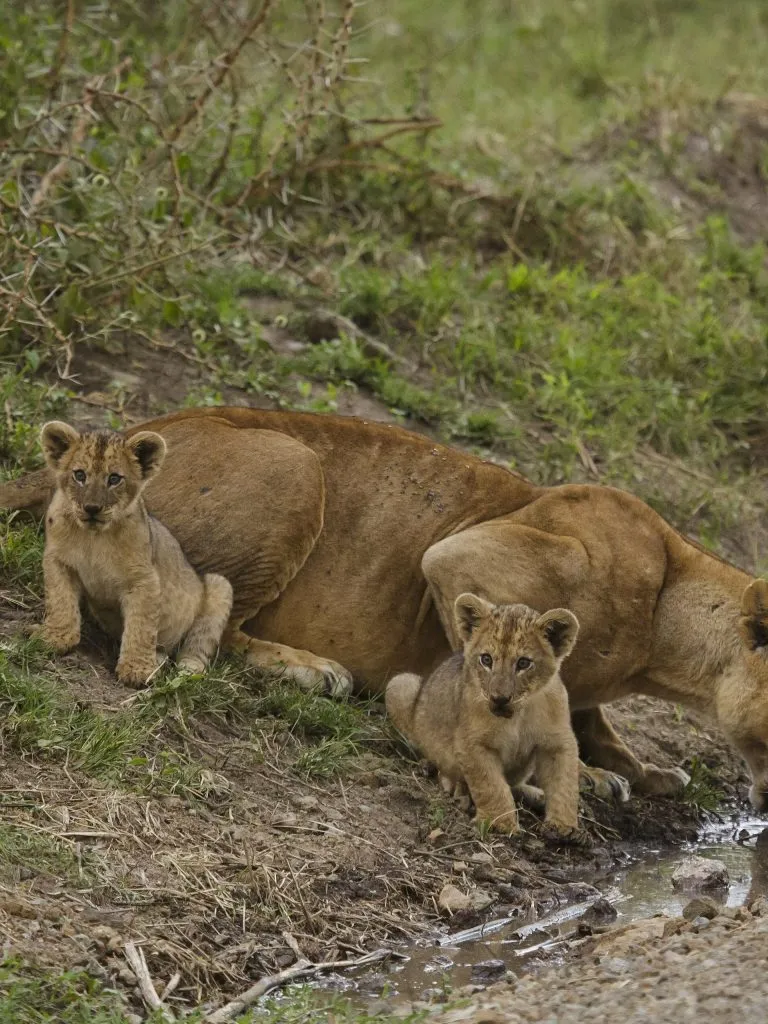
The Maasai Mara holds one of the highest densities of lion in Africa, with leopard, cheetah, elephant and buffalo alongside them, and the open grassland makes big cats easier to find than in thicker bush. Across the border, the Serengeti’s open plains give some of the most reliable big-cat sightings in Tanzania, with lion, cheetah and leopard seen on morning and afternoon drives.
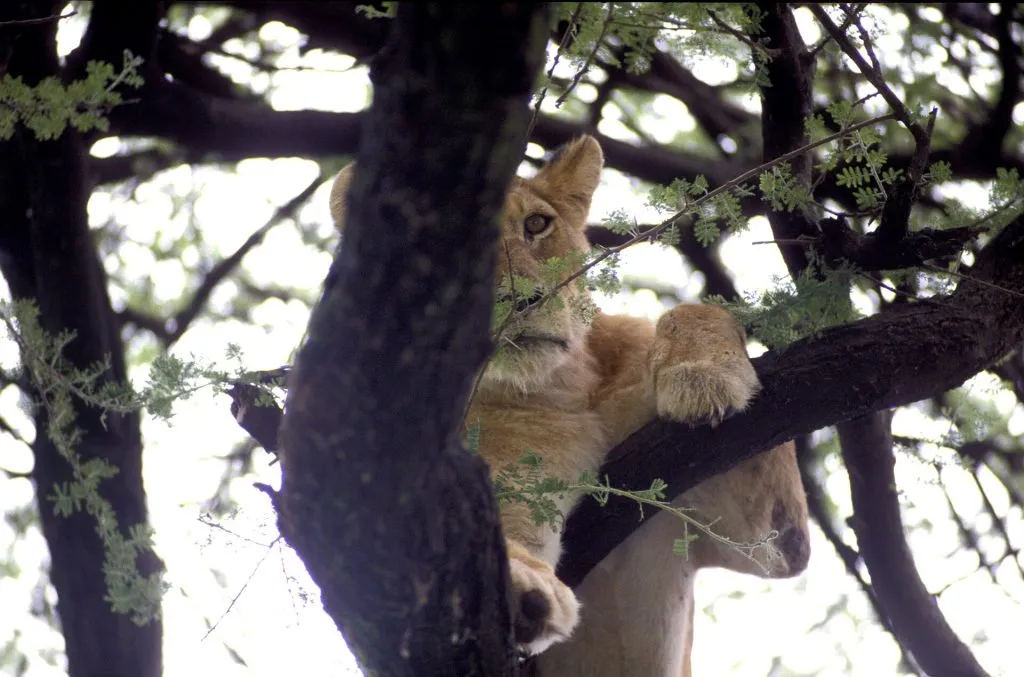
Uganda offers a quieter, different kind of cat safari. The Ishasha sector of Queen Elizabeth National Park is known for its tree-climbing lions, and remote Kidepo Valley National Park has wide plains where lion and cheetah are seen with very few other vehicles around. Early morning and late afternoon are the best times to go out, when the cats are most active.
Elephants and big herds
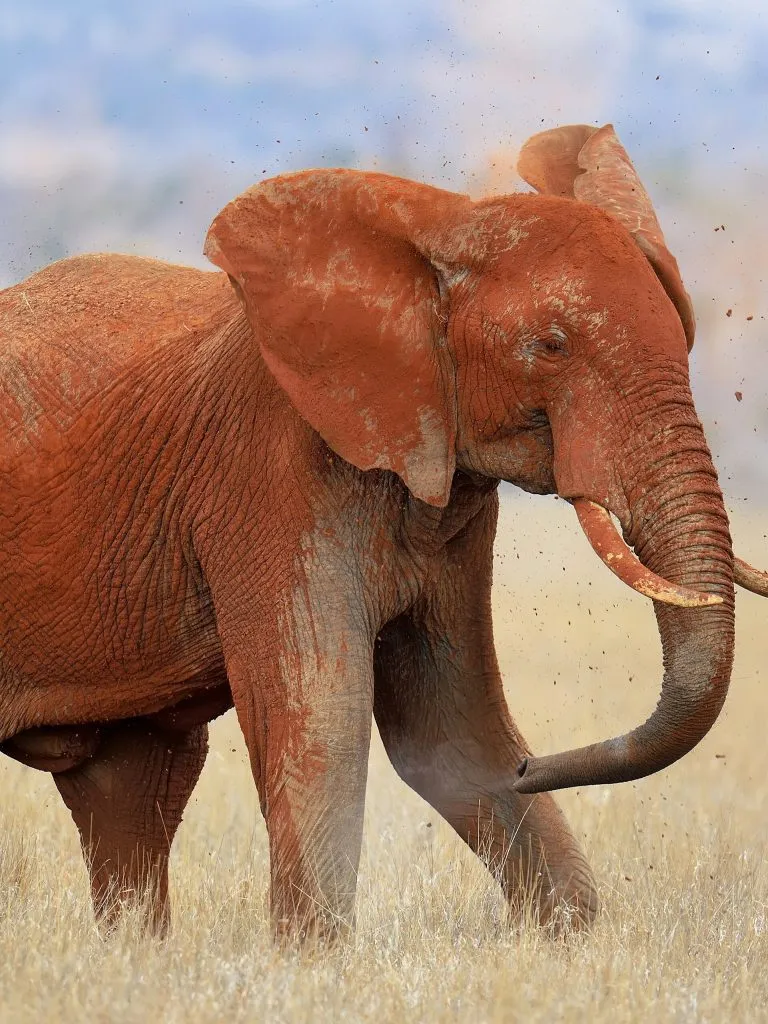
Amboseli is one of the best places in Africa for close-range elephant sightings, with large, well-studied herds and Kilimanjaro as a backdrop. Underground springs keep its swamps green through the dry months, so elephant, hippo and buffalo stay in view all year. In Tsavo, the red volcanic soil colours the elephants a rusty red, and the park’s size means few vehicles at each sighting.
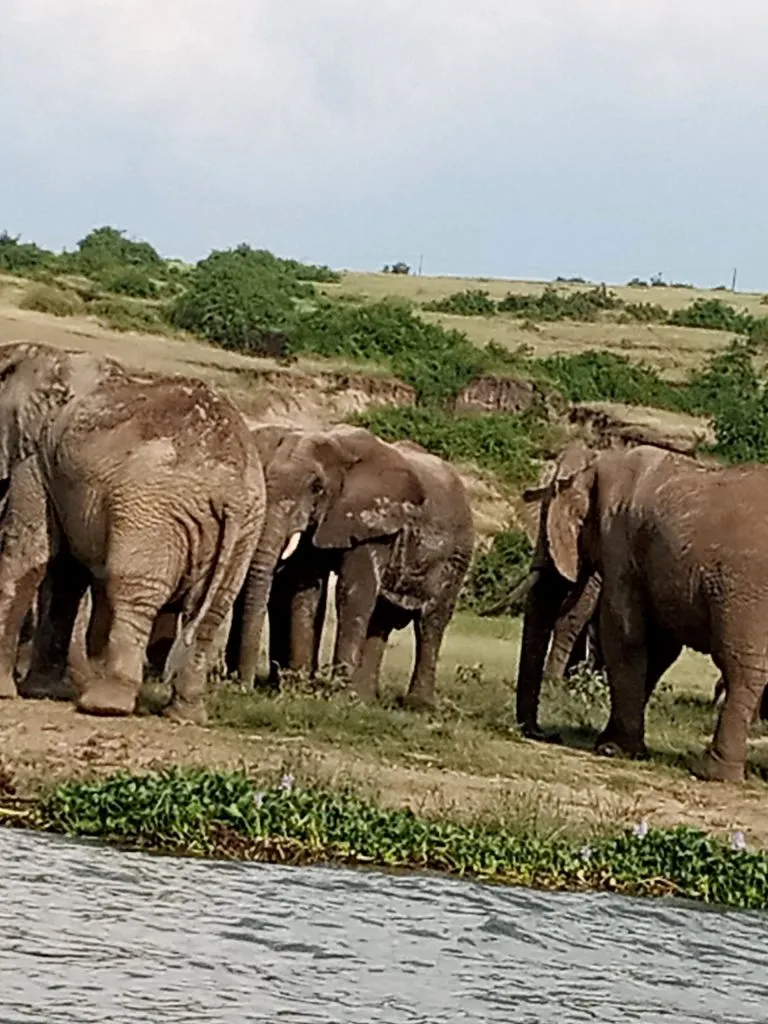
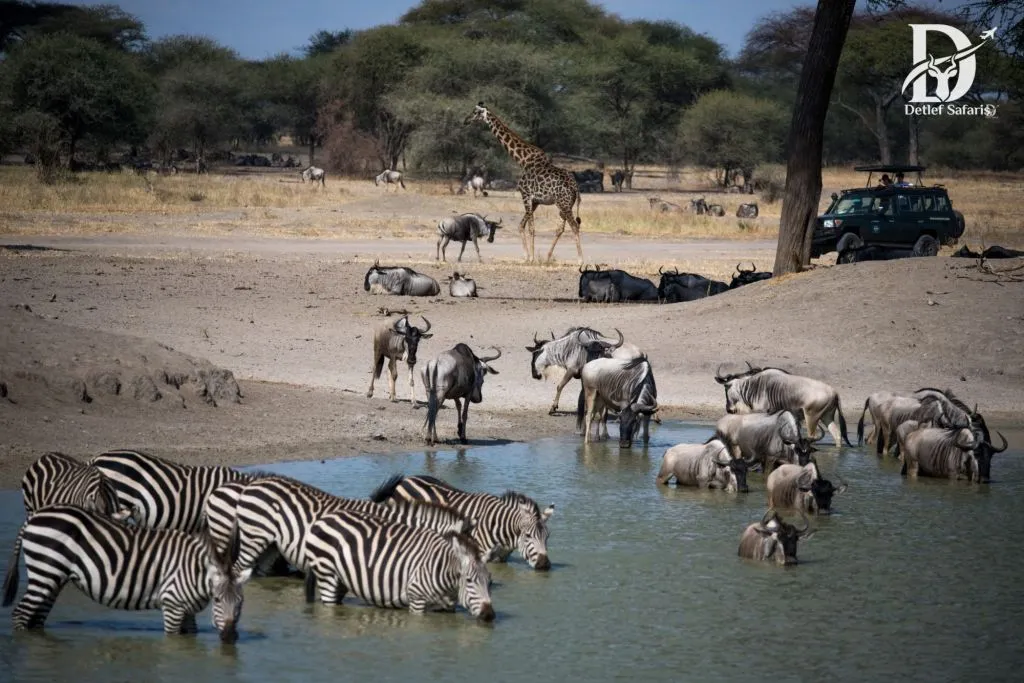
Tarangire in Tanzania comes into its own between June and November, when elephant, zebra, wildebeest and buffalo gather along the river among the baobab trees. In Uganda, the Kazinga Channel and Murchison Falls bring elephants to the water’s edge, where a boat gives you a different angle on them.
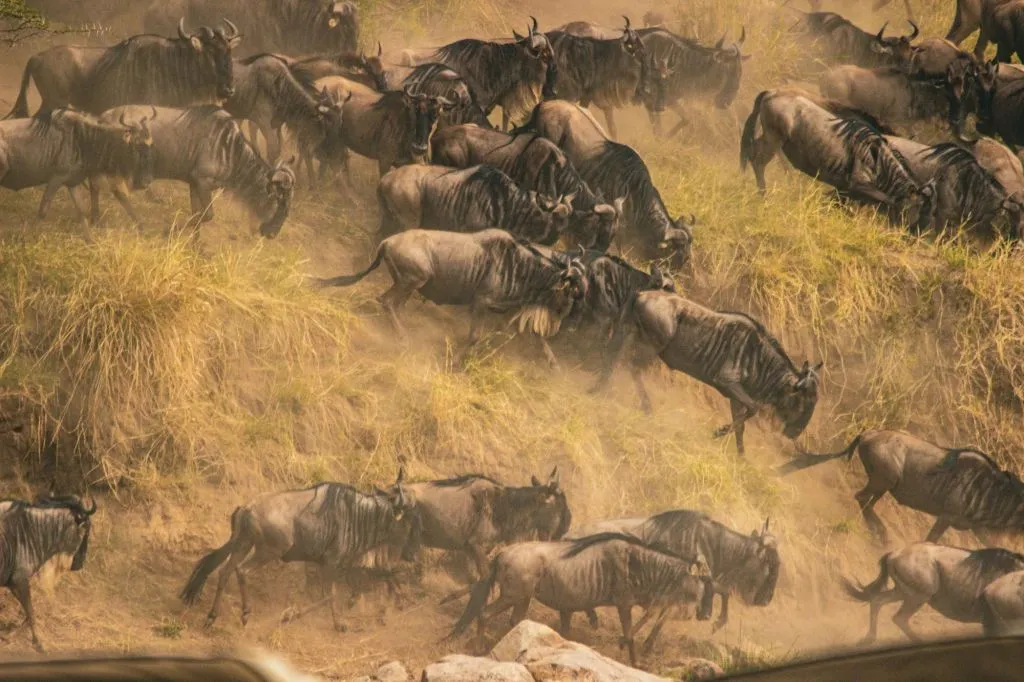
The Great Migration
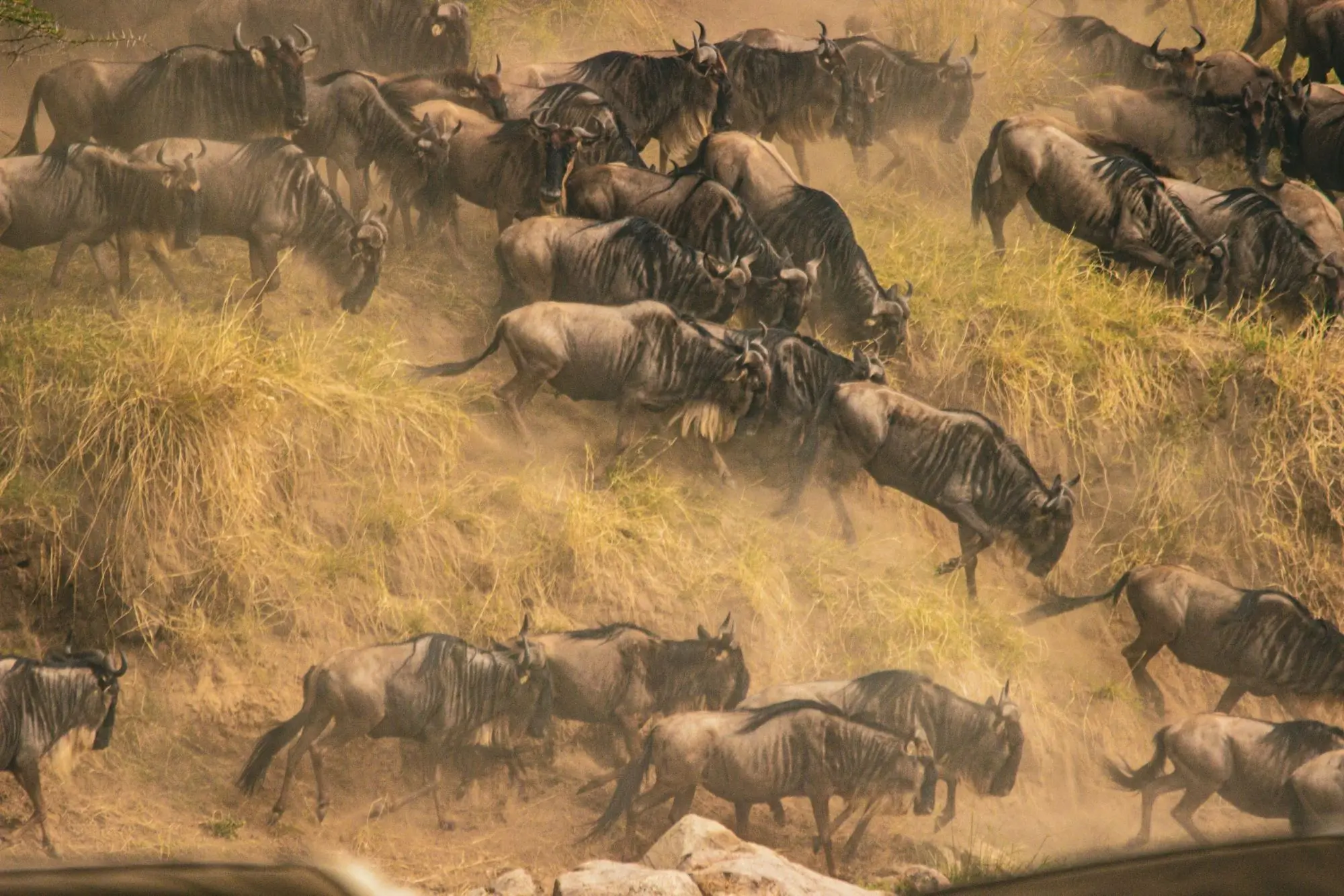
More than a million wildebeest and hundreds of thousands of zebra move in a great circle through the Serengeti–Mara ecosystem. In the Maasai Mara, the herds cross the crocodile-filled Mara River from July to October, which is when most travellers plan a Kenya visit around the river.
The Serengeti hosts the migration year-round, but a different part of the park holds the herds each month: the southern plains for calving season, and the western corridor and northern Serengeti for river crossings. Timing matters, and the herds follow the rains rather than the calendar, so we plan flexible routes and base you where the action is likely to be.
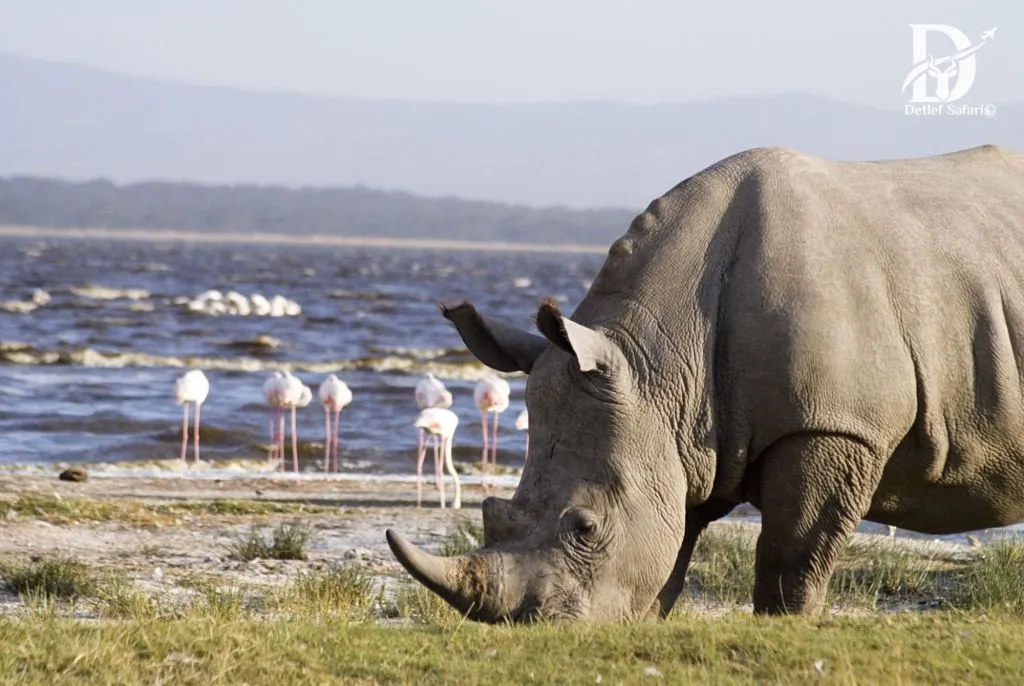
Rhino
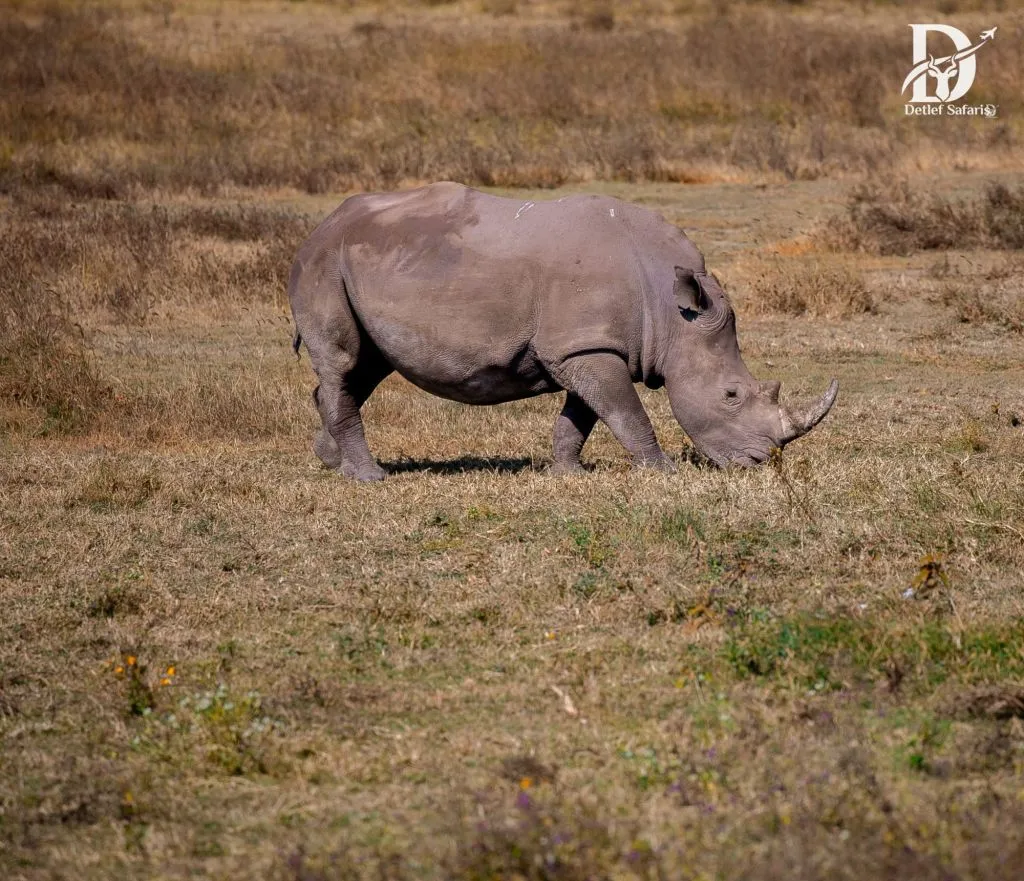
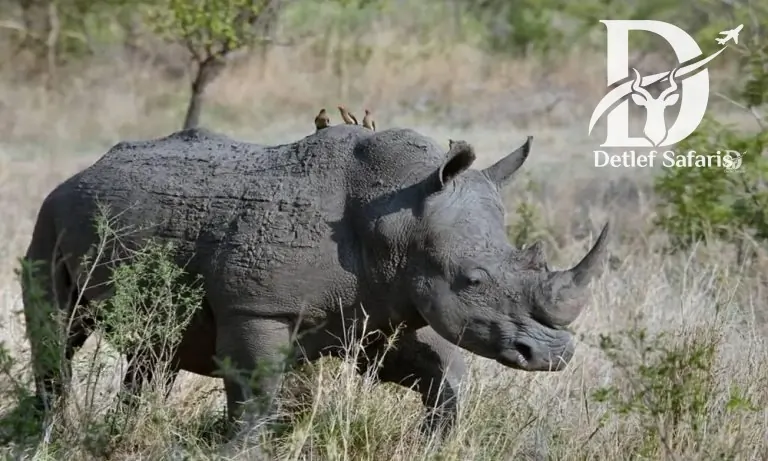
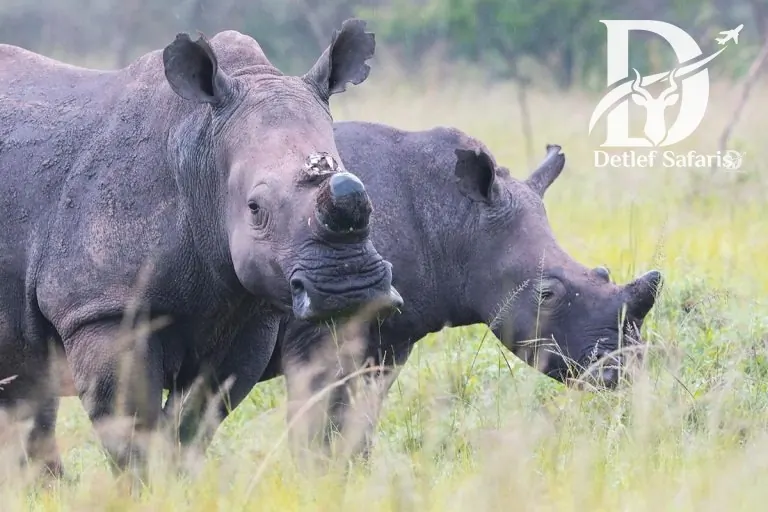
Lake Nakuru National Park in Kenya is one of the country’s most reliable rhino sanctuaries, protecting both black and white rhino in a fenced, well-patrolled reserve small enough to cover in a day. Ngorongoro Crater in Tanzania is one of the last strongholds of black rhino in East Africa, and its crater floor drives offer a good chance of seeing one.
In Rwanda, Akagera National Park has restored the Big Five. Lions were reintroduced in 2015 and eastern black rhinos in 2017, after African Parks began managing the park in partnership with the Rwanda Development Board. It is one of the continent’s clearest conservation turnarounds.
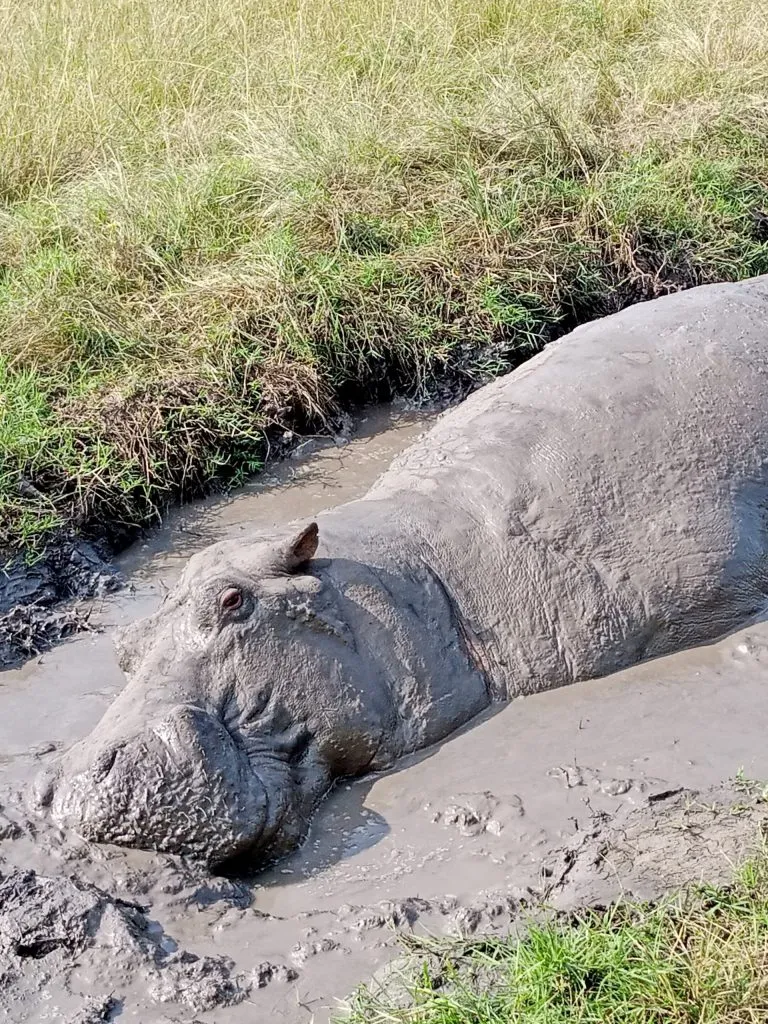
Hippos, crocodiles and river wildlife
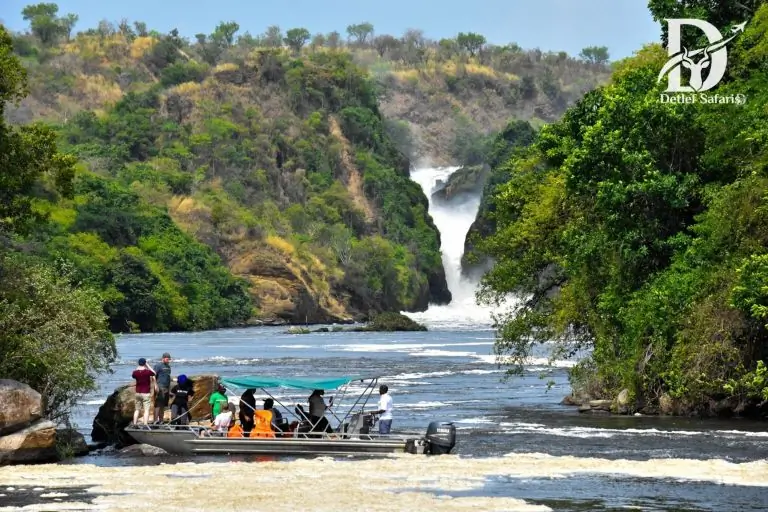
Water brings wildlife into the open. In Queen Elizabeth National Park, a two-hour launch cruise on the Kazinga Channel takes you among hippos, crocodiles and elephant herds. At Murchison Falls, a boat trip along the Victoria Nile brings you past pods of hippo and basking crocodiles to the base of the falls.
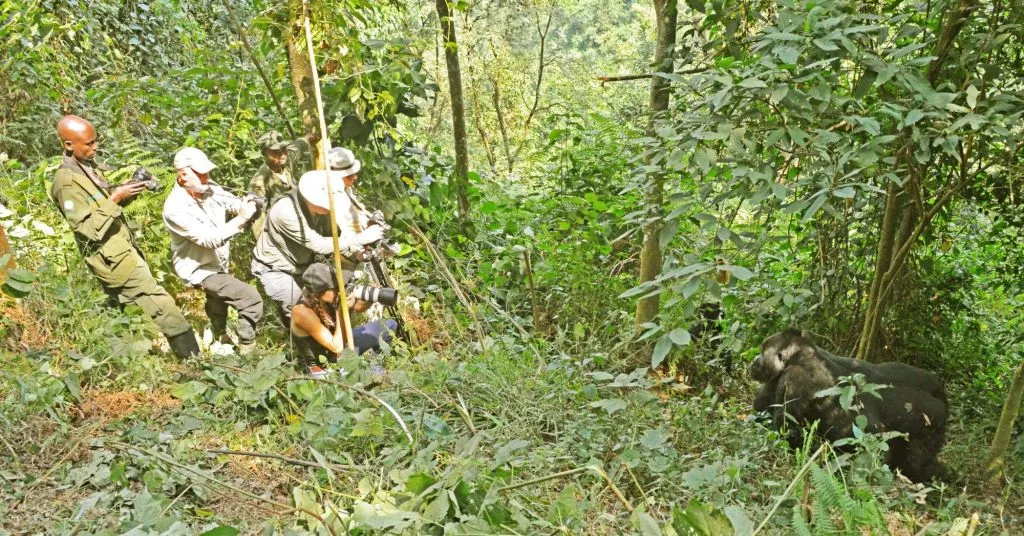
Uganda also adds primates to a wildlife safari. Chimpanzee tracking in Kibale Forest, Kyambura Gorge or Budongo Forest sits easily between game drives, and the Uganda Wildlife Authority manages all of these parks. It is a good way to add variety if you have time for more than one park.
Where to See Wildlife
 Uganda
Boat cruises, tree-climbing lions and chimpanzees, with Murchison Falls and Kidepo.
Kenya
The Maasai Mara, Amboseli beneath Kilimanjaro, Tsavo and rhino at Lake Nakuru.
 Rwanda
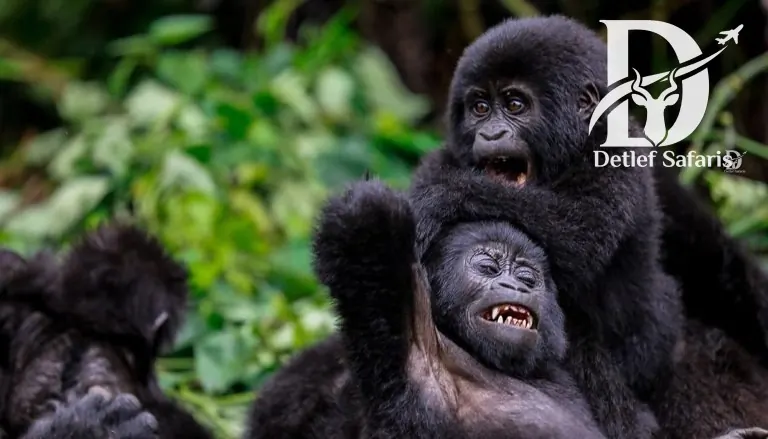
Akagera’s Big Five, a boat safari on Lake Ihema and gorillas in the volcanoes.
 Tanzania
The Serengeti, Ngorongoro Crater and Tarangire’s baobabs and elephants.
Wildlife Safari Trips
These are itineraries we run now in Uganda and Rwanda. For Kenya and Tanzania, tell us what you want to see and we will design the route to match.
Wildlife Experiences We Recommend
The right base makes a big difference to what you see. These are experiences worth building a route around, with a lodge that puts you close to them.
- Kazinga Channel launch cruise: Hippos, crocodiles and elephants at the water’s edge, with Mweya Safari Lodge on the Mweya peninsula as your base.
- Tree-climbing lions: Search the Ishasha sector of Queen Elizabeth National Park for lions resting in fig trees.
- Mara River crossings: Watch the migration herds reach the river between July and October, staying at Governors’ Camp.
- Hot-air balloon flight: Float over the Maasai Mara at sunrise, then land for a bush breakfast, from Mara Serena Safari Lodge.
- Rhino sightings: Drive Lake Nakuru National Park for black and white rhino, then stop at the lake for flamingos, staying at Sarova Lion Hill Game Lodge.
- Red elephants: Game drives across the red-earth plains of Tsavo East, with a waterhole in front of Satao Camp.
- Crater floor game drive: Descend into Ngorongoro Crater from the rim, where you can stay at Ngorongoro Serena Safari Lodge, for dense wildlife and a chance of black rhino.
- Baobabs and elephants: Dry-season drives along the Tarangire River, from Sanctuary Swala Camp at the edge of the park.
Wildlife Safari Inspiration
Good to Know
01.When is the best time to see the Great Migration?
The herds are always on the move, so the answer depends on what you want to see. In the Maasai Mara, the river crossings run from July to October. In the Serengeti, the southern plains hold the herds in calving season, while the western corridor and northern Serengeti are better for river crossings. The herds follow the rains, so we plan flexible routes and tell you honestly where the herds are likely to be on your dates.
02.Which country is best for a wildlife safari?
It depends on what you want to see. Kenya and Tanzania are the classic choices for big cats, large herds and the migration. Uganda adds boat safaris, tree-climbing lions, chimpanzees and quieter parks. Rwanda’s Akagera is a short drive from Kigali and combines game drives with a boat safari on Lake Ihema. Many travellers combine two countries, and we can plan that for you.
03.Can I see the Big Five in East Africa?
Yes. Rwanda’s Akagera National Park has all of the Big Five again, since lions were reintroduced in 2015 and black rhinos in 2017. Ngorongoro Crater and Lake Nakuru are the most dependable places to see rhino in Tanzania and Kenya, and the Maasai Mara and Serengeti are excellent for lion, leopard, elephant and buffalo. Sightings are never guaranteed, but a well-planned route improves the odds.
04.How many days do I need for a wildlife safari?
Most visitors spend two to three nights in each park, which gives time for morning and afternoon game drives plus one special activity such as a boat cruise or balloon flight. A route of seven to ten days lets you combine two or three parks without spending the trip in the vehicle. If you only have a few days, one park done well beats three done in a hurry.
05.Do we need anti-malaria medication?
Malaria is present in Uganda, Kenya, Rwanda and Tanzania, although the risk varies by area and season. A travel doctor or travel clinic will recommend the right protection for you. We can tell you where each lodge is and advise on nets, repellent and covering up in the evenings, but we cannot give medical advice.
Tell us what you want to see and we will plan the right route
Share the animals you hope to see, when you plan to travel and how long you have. We will suggest the parks, check the season and quote the trip for your dates.