

Activities & Wildlife
From elephant herds on the Ewaso Ng’iro to dry-country animals you will not see further south, Samburu feels wild, quiet and different from the parks of southern Kenya.
- Elephants on the River
- The Samburu Special Five
- Big Cats
- Samburu Culture
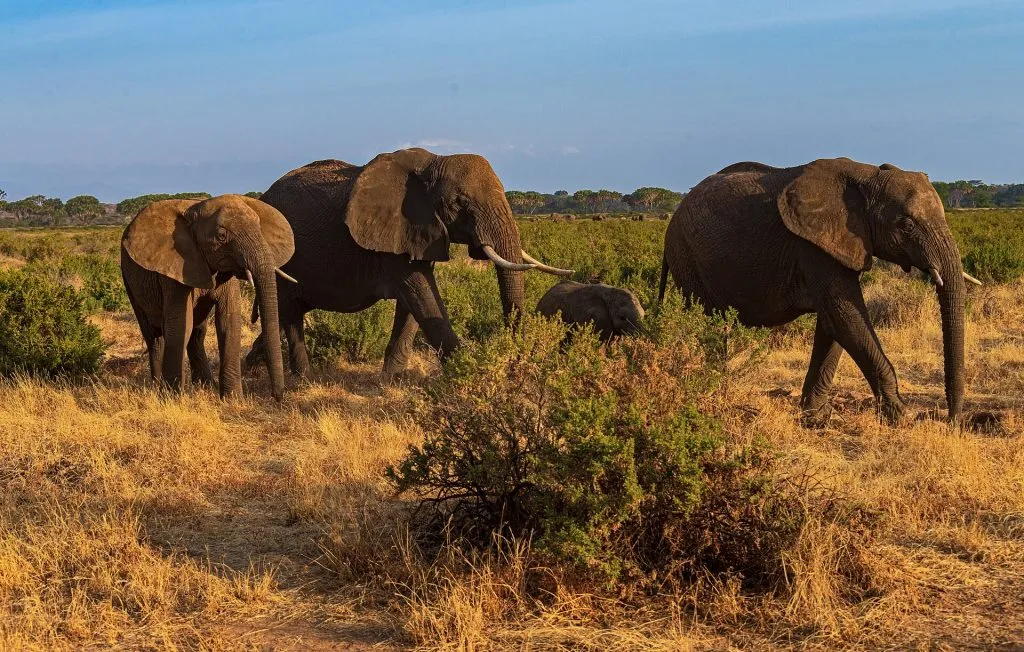
Elephant families come down to the Ewaso Ng’iro to drink, bathe and dig for water in the sandy riverbed. Save the Elephants has studied the Samburu herds for decades, and many of them are known by name.
Getting to Samburu National Reserve
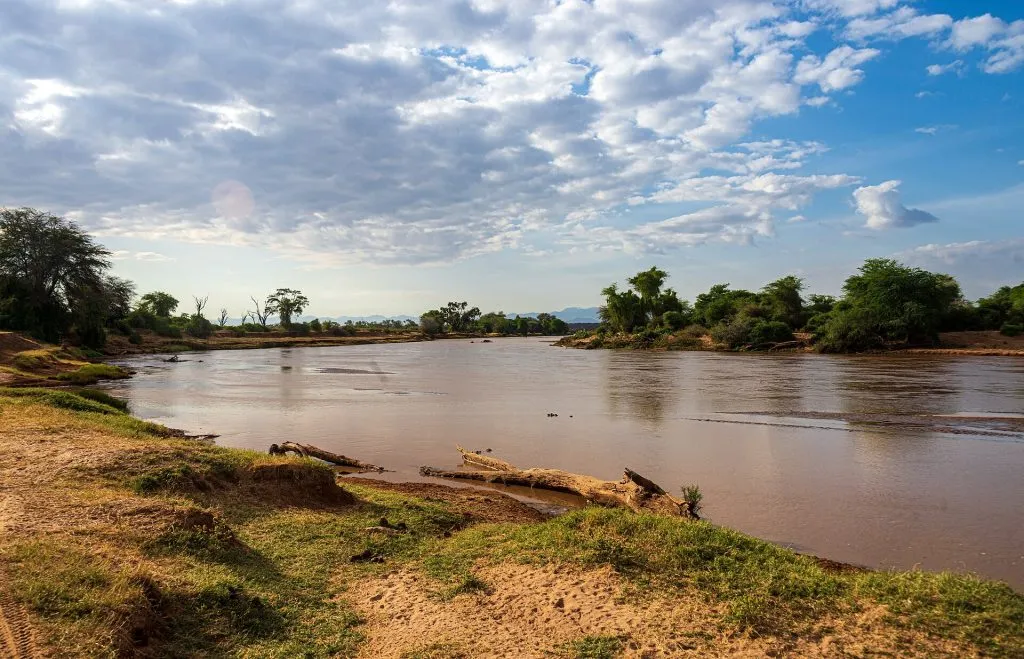
Samburu National Reserve is about 350 kilometres north of Nairobi. The drive takes six to eight hours, through Nanyuki and past Mount Kenya, so many travellers break it with a night in Laikipia or on the mountain. Scheduled flights from Nairobi’s Wilson Airport take about an hour to the Samburu airstrips, and most camps are a short drive away. Plan on at least two nights to do the reserve justice.
Accommodation
Where to Stay in Samburu
Accommodation