

Activities & Wildlife
From dense elephant herds and ancient baobabs to dry-season waterholes and prolific birdlife, Tarangire packs some of northern Tanzania's richest game viewing into its quietest park.
- Elephant Herds
- Ancient Baobab Trees
- Dry-Season Waterholes
- Prolific Birdlife
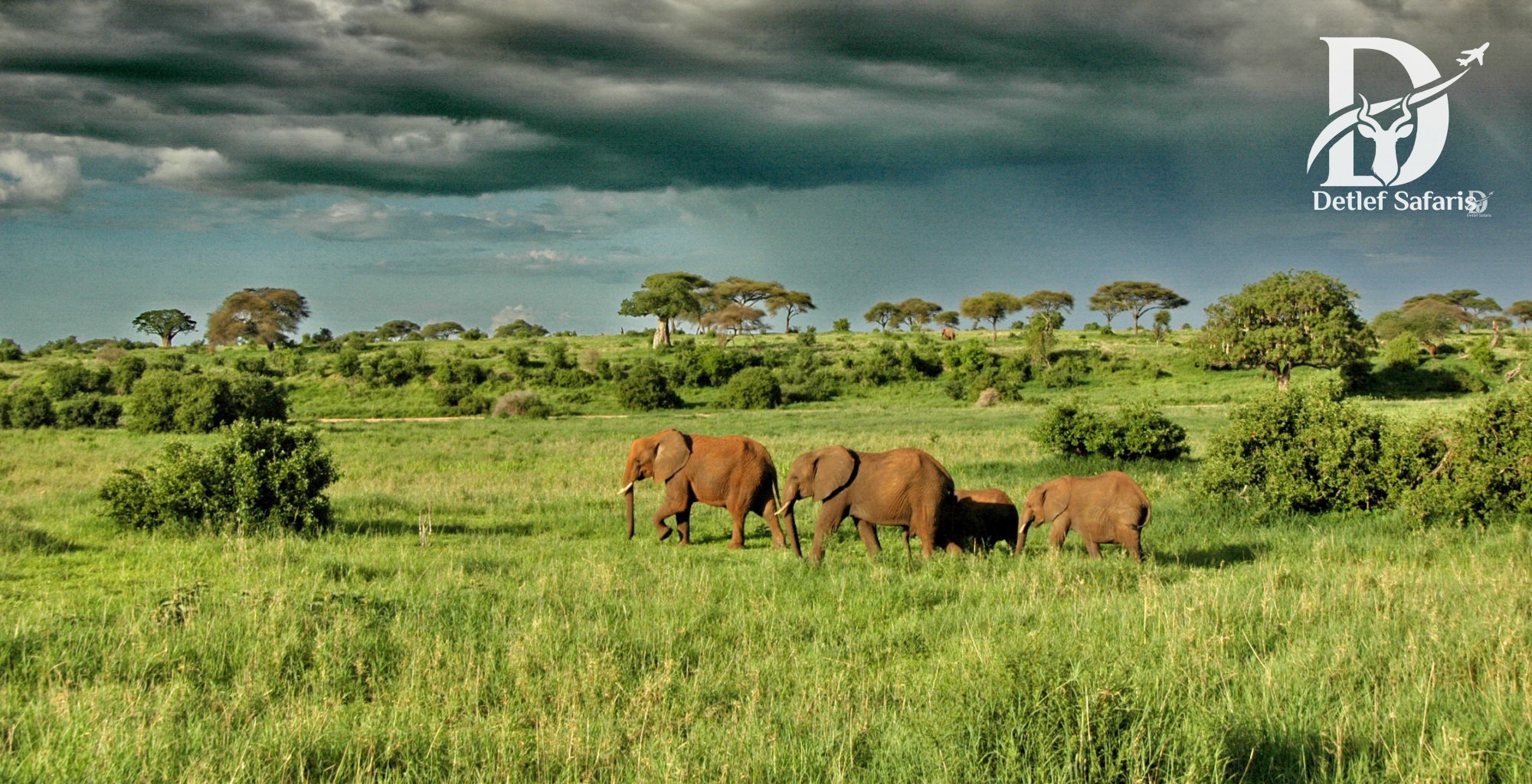
Tarangire holds one of the highest elephant densities in Africa, with family herds of forty or more a common sight moving between the river and the surrounding acacia woodland.
Getting to Tarangire National Park
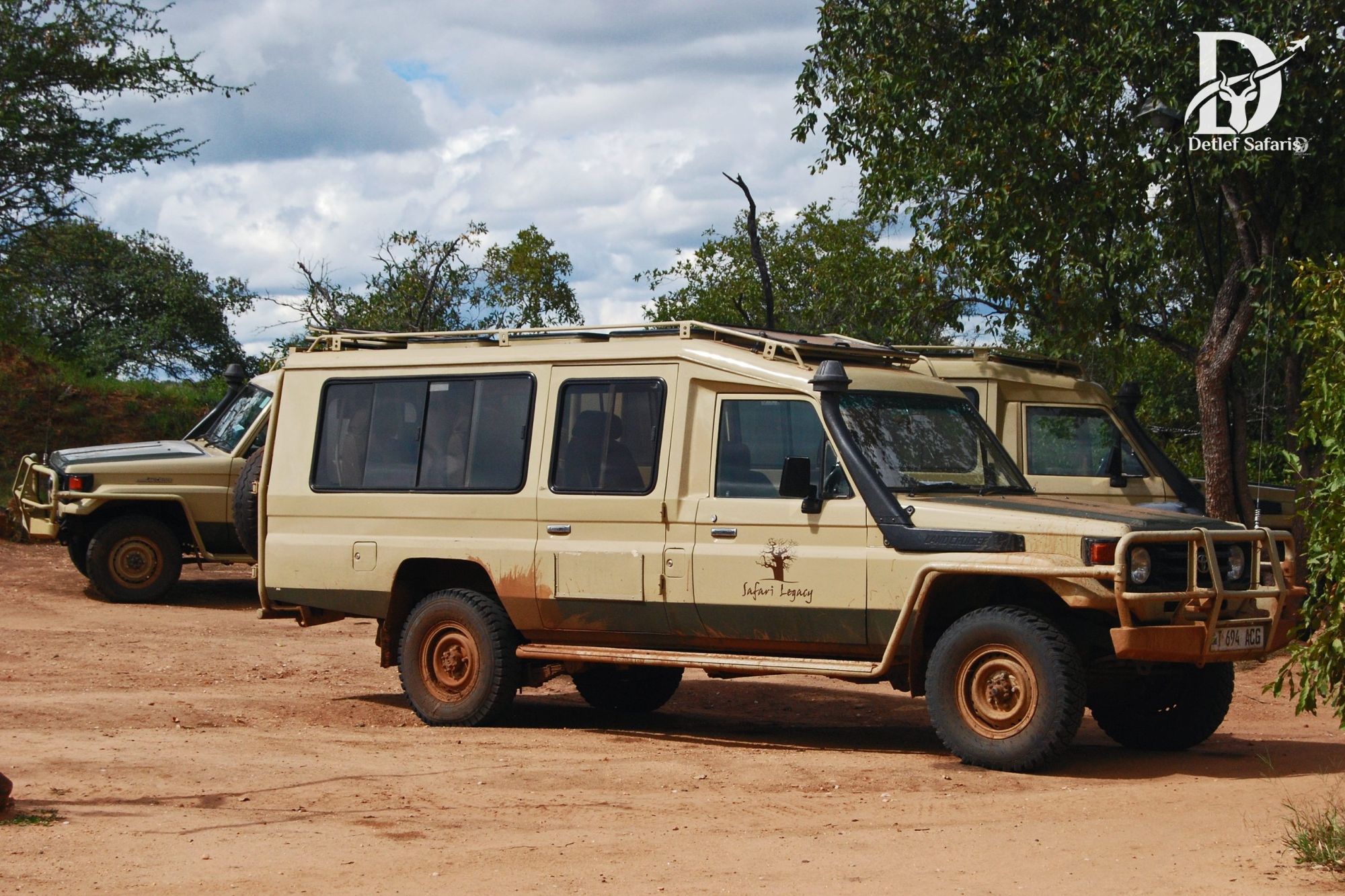
Tarangire National Park is roughly a two-hour drive south of Arusha, mostly on paved road with a short stretch of dirt track into the park itself, making it an easy first or last stop on a northern-circuit safari. Its position close to Arusha also makes it a natural add-on for travelers with a spare day, without the longer transfers that the Serengeti and Ngorongoro Crater require.
Accommodation
Where to Stay at Tarangire National Park
Accommodation
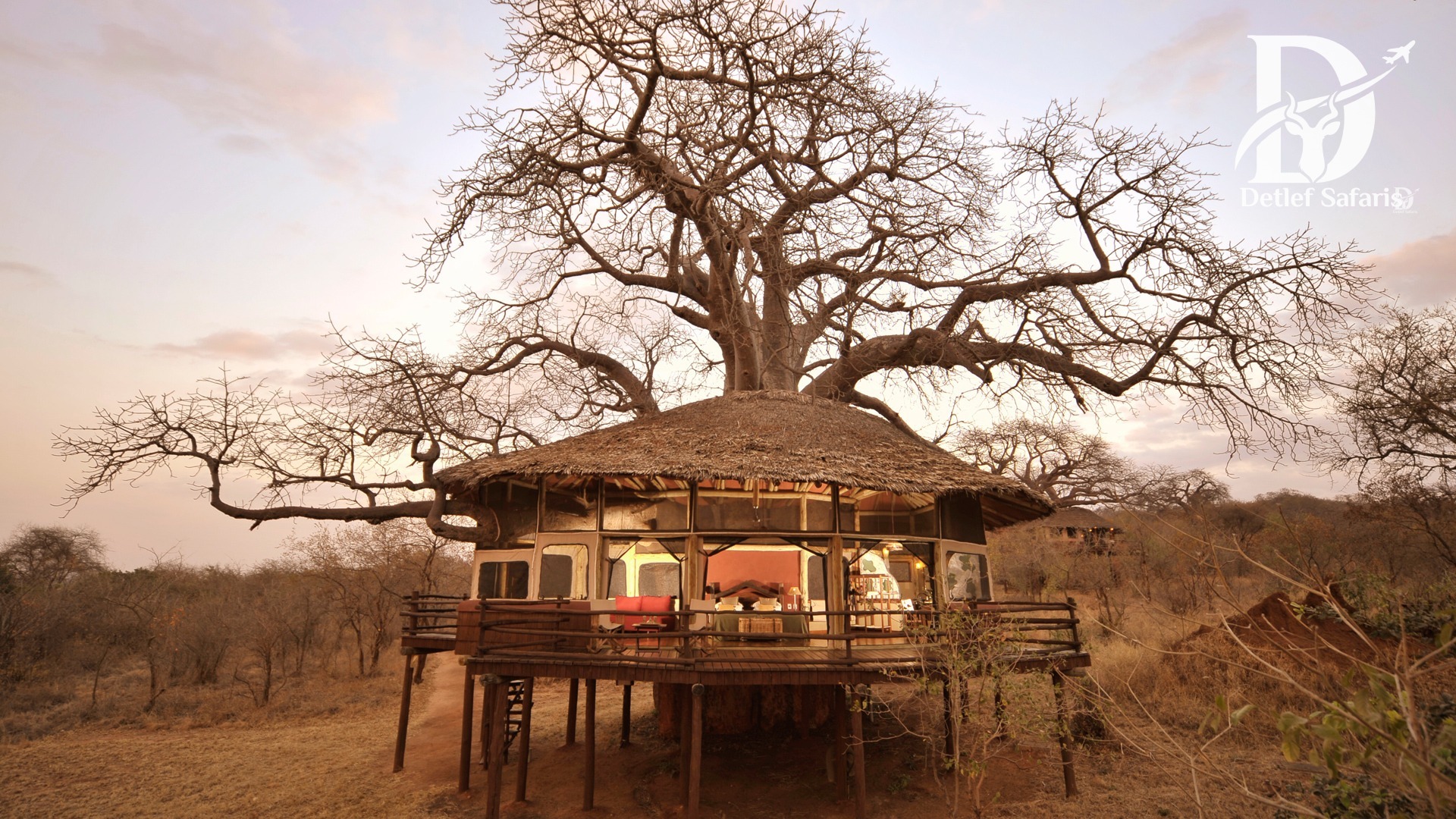
Tarangire Treetops Lodge
Tarangire National Park, Tanzania
View Details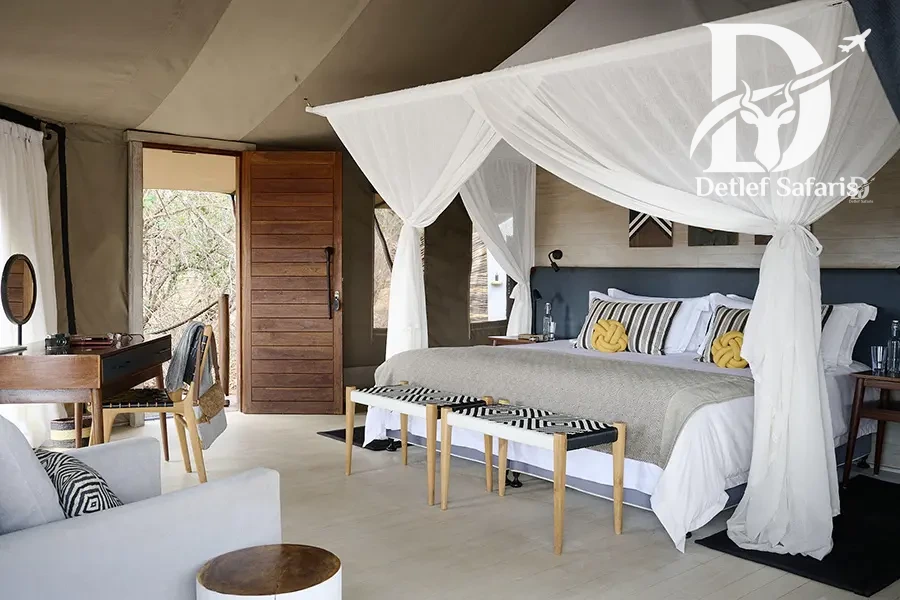
Accommodation
Sanctuary Swala Camp
Southern Tarangire, Tanzania
View DetailsAccommodation
Plan a trip to Tarangire National Park
Browse our Tanzania safari itineraries or contact us to build a custom trip.
More of Tanzania to explore
- Serengeti National ParkEndless plains and the wildebeest migration.
- Ngorongoro CraterA volcanic crater packed with wildlife.
- ZanzibarBeaches and Stone Town to finish a safari.