
The Ultimate Guide to a Serengeti Safari

Plan a Serengeti safari with the right camp, game drives and migration timing. Compare central Serengeti, Ndutu and the northern plains.
A Serengeti safari works best when the part of the park you choose matches the wildlife you want to see. Central Serengeti offers excellent reasons to stay even when the migration is elsewhere. The southern plains and the far north make sense for different stages of the herds’ movement.
Start with your priorities and travel dates, then choose a camp and how to get there. See our Serengeti National Park page for more about the destination.
Central Serengeti for a First Visit
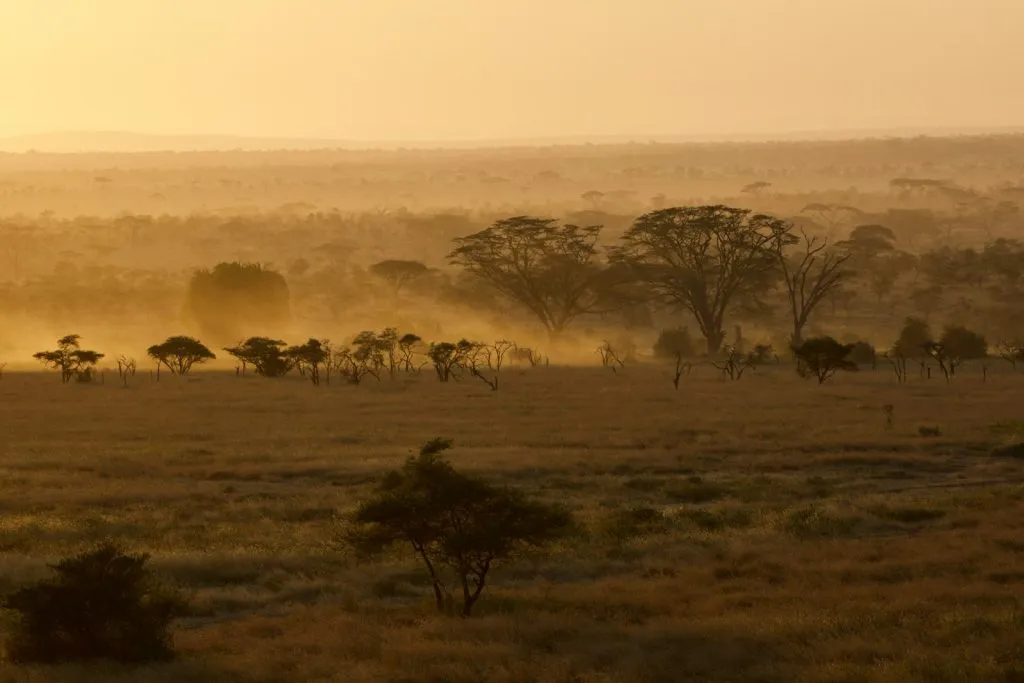
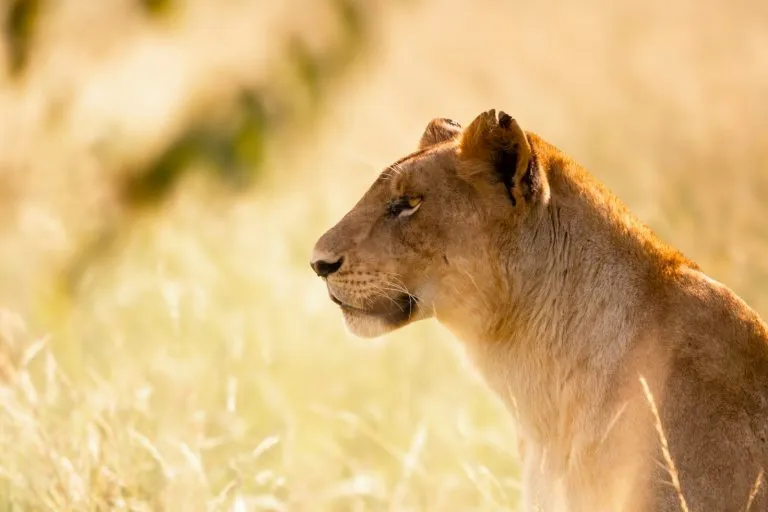
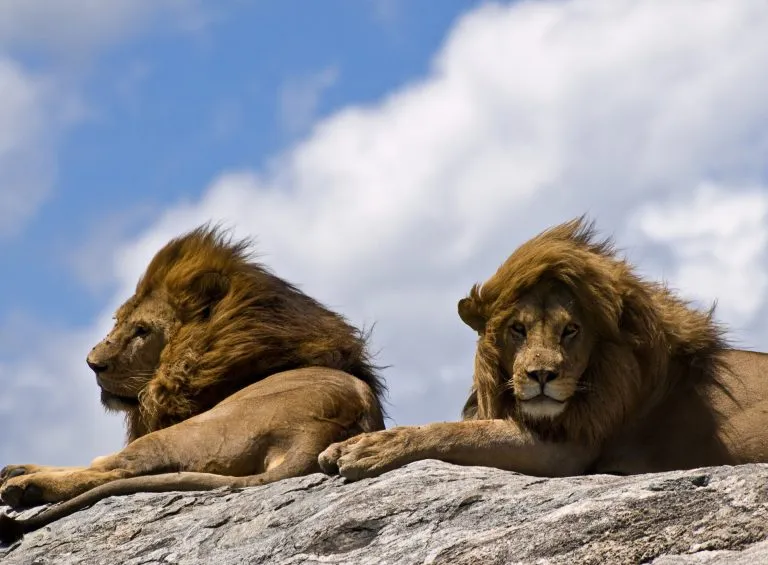
Seronera and the surrounding central plains make a practical base for a first trip. Look for lions and other resident wildlife around river valleys, grasslands and rock outcrops. If you like photography, a morning and late-afternoon drive show the same landscape in very different light.
Stay several nights if you can. Then you can repeat areas that were quiet on the first drive or try different habitats without changing camps every day.
Choosing a Serengeti Safari for the Migration
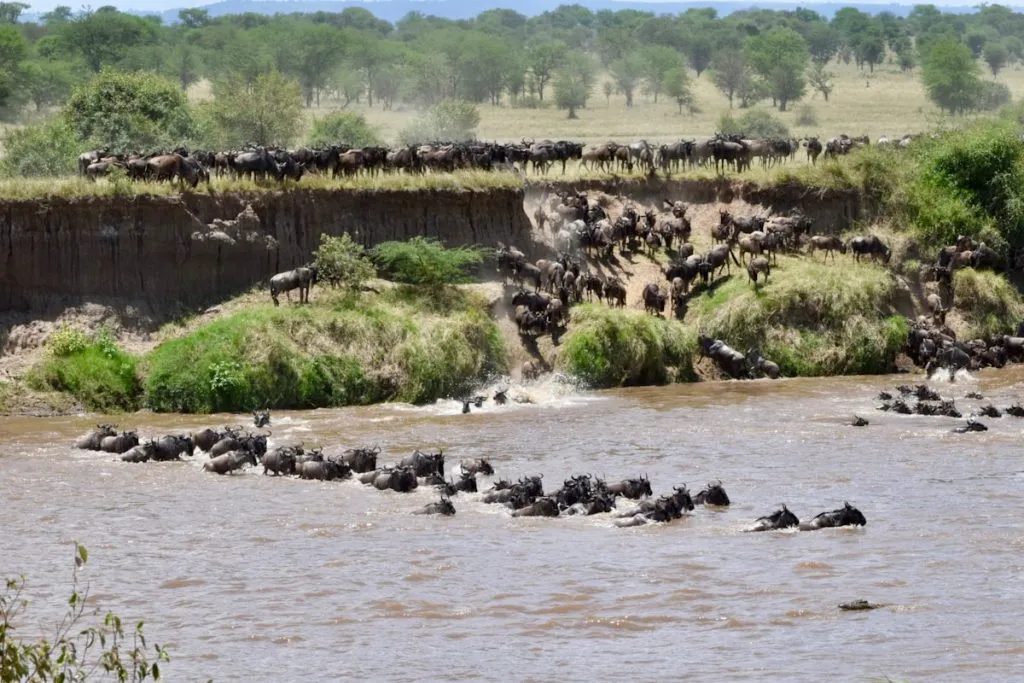
The migration moves with rainfall and grazing. The southern short-grass plains near Ndutu are a broad early-year choice for calving. Later, the herds may move through central and western areas, and the north is a focus for possible Mara River crossings in the second half of the year.
Use timing as a guide, not a booking promise. No guide can guarantee a crossing. The conservation-area visitor guide explains the migration across the wider ecosystem.
How to Choose Your Camp
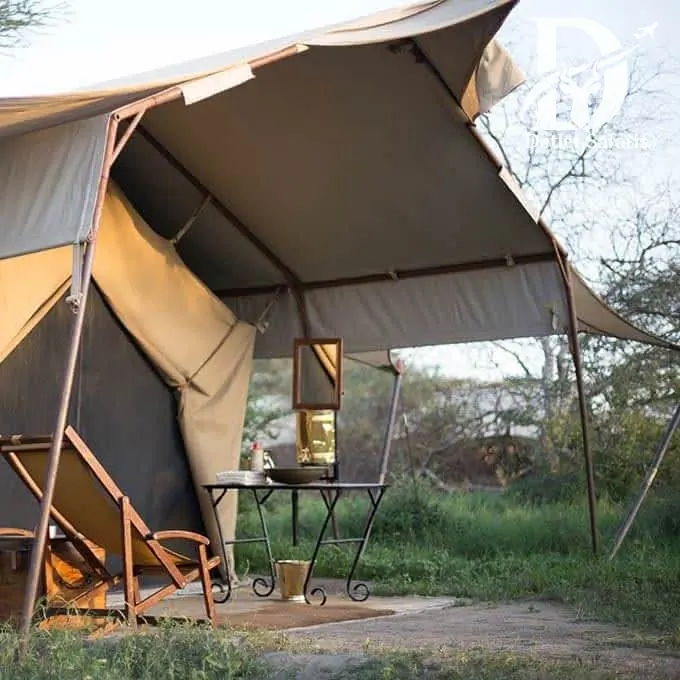
A permanent lodge can be a good choice when your focus is resident wildlife and comfort. A seasonal camp may be more useful if you’re trying to sleep closer to the likely position of migration herds. However, check where the camp operates in your month.
Ask which drives are practical from camp, and make sure your arrival point fits. Staying farther from your main viewing area can mean spending more time on the track before the drive begins.
Road Transfers, Bush Flights and Balloon Rides
Road travel works well if you’re combining the Serengeti with Ngorongoro or Tarangire. A bush flight can save time when you’re heading to a distant area. If you fly, confirm the airstrip, baggage limits and drive to camp.
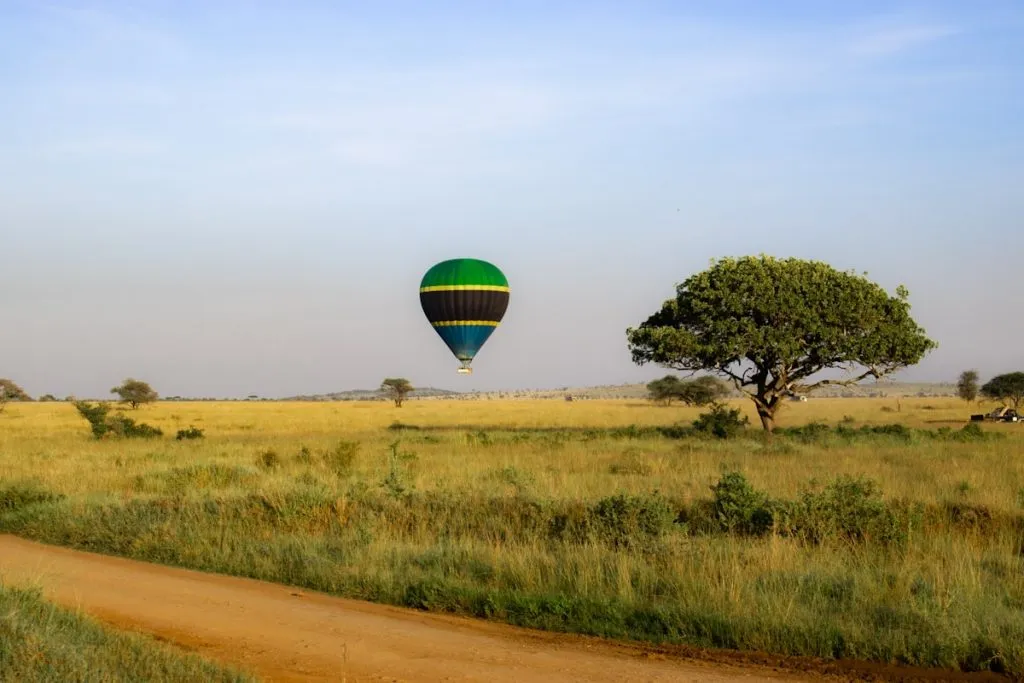
A balloon safari offers a different view of the plains and normally means an early start. It’s an optional extra, so check availability and weather conditions before planning the rest of the day around it.
What Wildlife to Look For Beyond the Herds
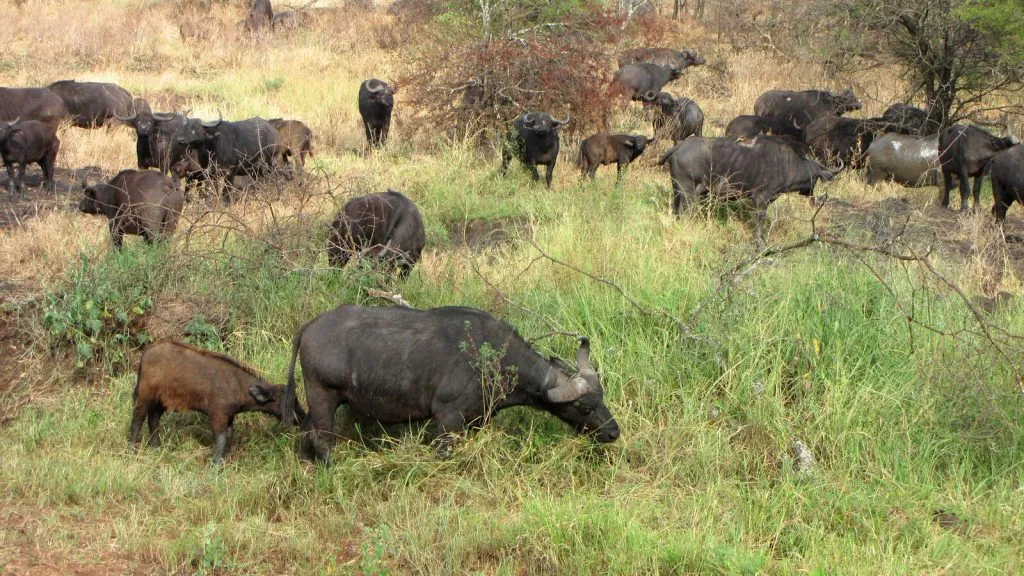
Watch for buffalo, giraffes and zebras between the larger sightings. You can also ask your guide to pause at rocky kopjes and scan the shade. Time spent watching a herd can be as interesting as moving on to find another species.
If you are deciding between parks, Serengeti gives you room for a longer game-drive stay. Ngorongoro, meanwhile, offers the concentrated experience of a drive inside a crater.
How Long to Plan for a Serengeti Safari
Give yourself more than a single full day if you can. Then budget time for the inbound transfer and for a second area if you want to change camps. The exact number of nights depends on your dates and whether the migration is the focus.
Book a Serengeti Safari
Browse our East Africa safaris or ask our team to compare a central base with a migration-focused route. Tell us your dates, preferred pace and how you’d like to travel between parks.
Photo credits
- D. Gordon E. Robertson / CC BY-SA 3.0 (resized to fit the site) · Source · CC BY-SA 3.0
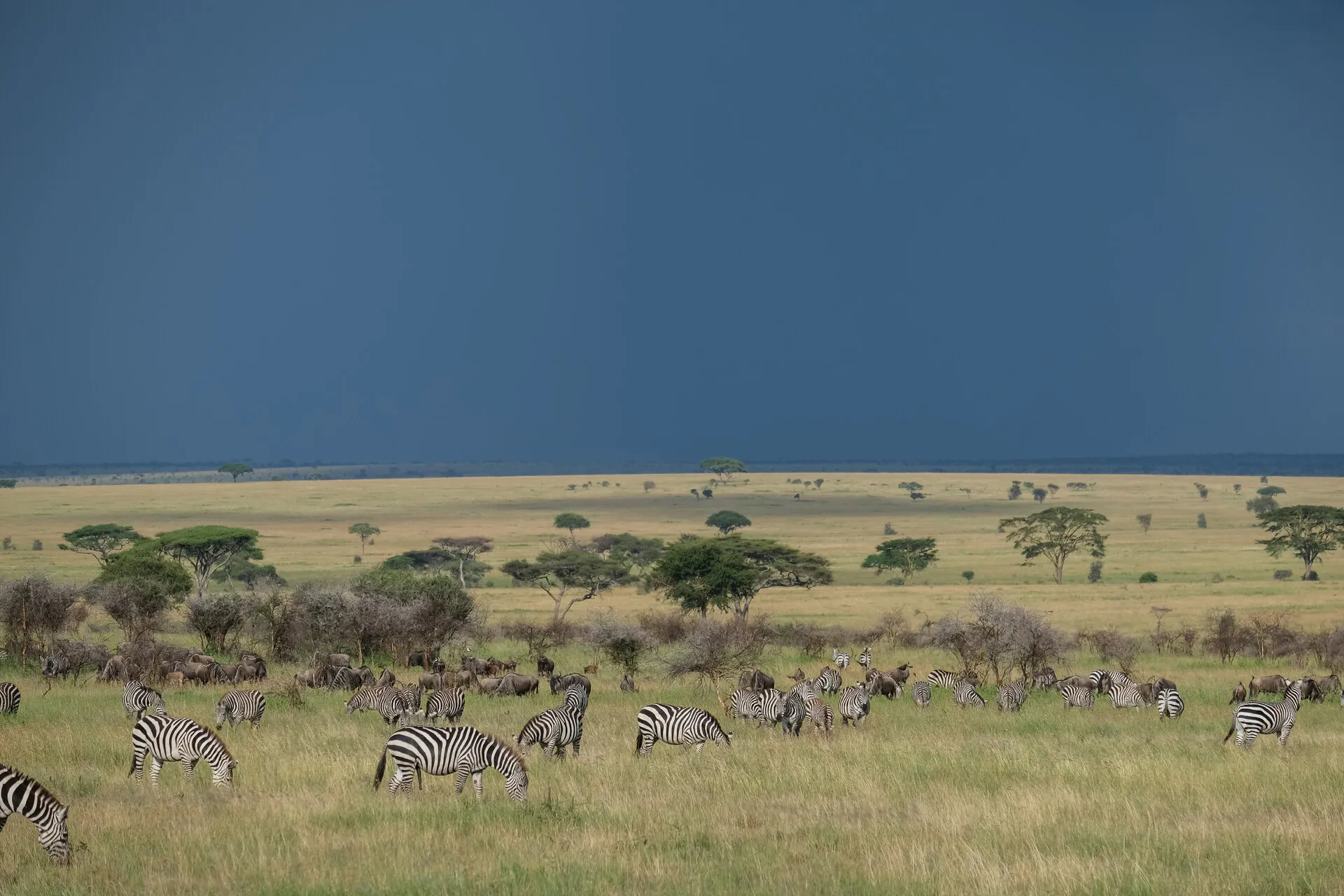
- Hero photo: Zebra herd in Serengeti National Park by Maximilian Staub · CC BY 4.0 (resized).
Plan it with people who know the ground
Our team lives and works in East Africa. Tell us when you hope to travel and what you most want to see, and we will suggest the best route, season and lodges for you.