Vulkanen-Nationalpark
Vulkanen-Nationalpark
Volcanoes National Park Rwanda: The Ultimate Guide to Gorilla Trekking and Adventure
Rwanda hides one of the world’s greatest natural treasures in its northern highlands. Volcanoes National Park rises from the mist-covered slopes of the Virunga Mountains, offering travelers a rare chance to stand face to face with endangered mountain gorillas. This park earned global fame as the setting for Gorillas in the Mist, and it still carries that same sense of wonder today.
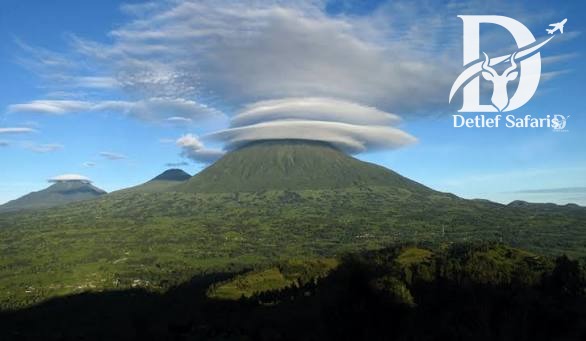
Covering 160 square kilometers, Volcanoes National Park stretches across five volcanoes: Karisimbi, Bisoke, Muhabura, Gahinga, and Sabyinyo. Karisimbi towers above the rest at 4,507 meters, making it the tallest peak in the range. Thick rainforest and bamboo forest blanket these slopes, creating a lush home for wildlife found nowhere else on Earth.
Together with Mgahinga Gorilla National Park in Uganda and Virunga National Park in the Democratic Republic of Congo, this park forms the Greater Virunga Conservation Area. This transboundary region protects more than half of the world’s remaining mountain gorillas, and it gives travelers an unmatched opportunity to witness conservation success in action. Whether you dream of trekking through misty forests, spotting rare birds, or learning about groundbreaking primate research, Volcanoes National Park delivers an experience that stays with you for life.
A Living Legacy: Dian Fossey and Gorilla Conservation
Volcanoes National Park holds a deep connection to gorilla conservation history. American primatologist Dian Fossey arrived here in the late 1960s and dedicated her life to studying and protecting mountain gorillas. Her research transformed how the world understands these gentle giants, and her efforts laid the groundwork for the gorilla tourism that thrives today.
Fossey once described the Virungas as ancient volcanoes reaching toward 15,000 feet, wrapped in rich rainforest. That vivid image still holds true. Visitors who walk these same trails often feel a strong connection to her legacy, especially when they learn how her work shaped modern conservation policy across the region.
Her story didn’t end quietly. Fossey was mysteriously murdered in 1985, and her supporters buried her next to Digit, her favorite gorilla. Today, you can hike to her tomb and see the graveyard where nearly 20 gorillas rest, victims of poaching or natural causes. This hike offers more than history; it delivers perspective on how far gorilla protection has come.
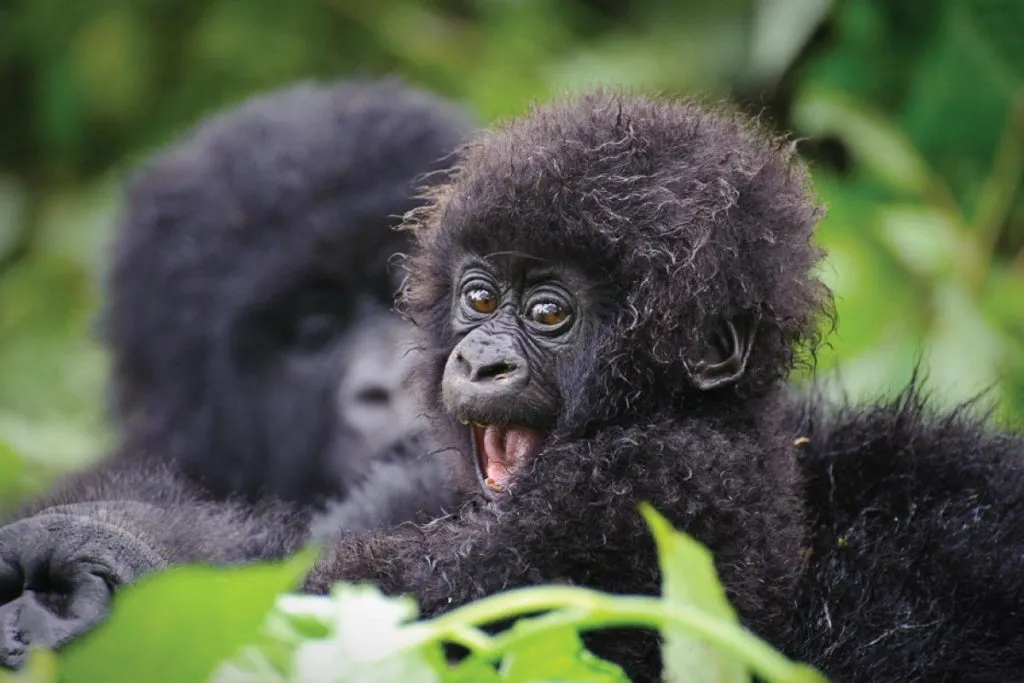
Meet the Mountain Gorillas of Volcanoes National Park
Ten habituated gorilla families call Volcanoes National Park home, and each one welcomes visitors daily. Rangers assign names to these families based on unique traits, histories, or notable events, and a dominant silverback leads every group.
You can trek to meet the Amahoro, Hirwa, Sabyinyo, Kwitinda, Group 13 (also called Agashya), Umubano, Ugenda, Susa A, Karisimbi (Susa B), Titus, or Bwenge families. Each group offers a distinct experience, since gorilla personalities and group dynamics vary widely. Some families move slower and stay closer to the trailhead, while others roam deeper into the forest.
Trackers and rangers monitor these families every single day, which keeps the gorillas healthy and helps researchers understand their behavior patterns. This daily contact also builds trust between gorillas and humans, allowing tourists to observe them safely without causing stress to the animals. When you book a trek, park staff assign you to a specific family based on fitness level and availability, ensuring every visitor gets a meaningful encounter regardless of experience level.
Wildlife Beyond the Gorillas
While mountain gorillas draw most of the attention, Volcanoes National Park shelters far more biodiversity than many travelers expect. Golden monkeys live here too, and this species exists only in the Virunga region, nowhere else on the planet. Their bright orange coats and playful energy make them a joy to watch as they leap through bamboo groves.
Forest elephants roam these slopes alongside buffaloes, bush pigs, and giant forest hogs. Duikers move quietly through the undergrowth, while spotted hyenas and bushbucks add to the park’s rich mix of mammals. Several primate species beyond gorillas and golden monkeys also inhabit these forests, rounding out an ecosystem that rewards patient, observant travelers.
This variety matters because it shows visitors that Volcanoes National Park protects an entire ecosystem, not just one flagship species. Conservation here supports countless interconnected species, and that broader impact strengthens the case for sustainable tourism across the region.
Birdwatching Paradise in the Virunga Highlands
Bird lovers should not overlook Volcanoes National Park. The park qualifies as an Important Birding Area and hosts more than 200 recorded bird species, including many Albertine Rift endemics found in very few other places worldwide.
Keep your eyes open for the Grauer’s rush warbler, Rwenzori batis, and Rwenzori turaco as you move through the forest. The Rwenzori double-collared sunbird flashes brilliant color against green foliage, while the handsome francolin and strange weaver add variety to your sightings. Serious birders often add the dusky crimson-wing, collared apalis, red-faced woodland warbler, and Archer’s ground robin to their lists during a single visit.
The park protects habitat for 17 of the 27 Albertine Rift endangered species and 53 of the 74 Afrotropical Highlands biome species. These numbers place Volcanoes National Park among the most significant birding destinations in East Africa, and they give ornithologists and casual nature lovers alike plenty of reasons to plan a dedicated birding safari here.
Gorilla Trekking: The Signature Experience
Gorilla trekking stands as the top reason travelers choose Rwanda over other African destinations. Mountain gorillas exist in only three countries worldwide, Rwanda, Uganda, and the Democratic Republic of Congo, and Rwanda offers some of the most accessible and well-organized trekking experiences on the continent.
Your adventure begins early. Arrive at the Rwanda Development Board offices by 7 a.m., where rangers brief you on safety guidelines and expectations. Staff then assign you to one of the habituated gorilla families based on your fitness level and the terrain each group occupies that day.
Once you reach the starting point, you head into the misty forest with your ranger guide and trackers. The trek can last anywhere from 30 minutes to six hours, depending on where the gorillas settled that morning. When you finally spot the family, you get to spend a full hour in their presence, watching them feed, rest, and interact exactly as they would without human observers nearby.
Follow every rule your guide shares during the briefing. These guidelines protect both you and the gorillas, and they help preserve this experience for future generations of travelers.
Golden Monkey Trekking: A Playful Primate Encounter
Golden monkey trekking offers a livelier alternative to gorilla trekking, and many visitors pair both activities during their stay. Like gorilla treks, this activity happens once daily, and it begins with an early morning briefing at the park headquarters in Kinigi.
After the briefing, rangers divide visitors into small groups and lead you into the bamboo forest that golden monkeys call home. Unlike gorillas, golden monkeys move constantly. They leap from branch to branch searching for bamboo shoots, which makes this trek far more energetic and fast-paced.
Currently, two habituated golden monkey troops welcome visitors. Watching them requires quick reflexes and a good sense of humor, since they rarely sit still for long. Many travelers find this activity just as memorable as gorilla trekking, thanks to the monkeys’ constant motion and curious personalities.
Hiking Mount Bisoke: Crater Lake Adventure
Mount Bisoke rewards hikers with a stunning crater lake at its summit, making the climb one of the most popular hikes in the park. The full round trip takes about six hours, including roughly two hours for the descent, though experienced hikers sometimes finish faster.
Your hike starts at 7 a.m. with a briefing at park headquarters, where a knowledgeable ranger guide joins your group for the entire journey. Many visitors choose to hire porters, who carry luggage for a small fee and make the climb far more comfortable.
The trail winds through dense forest before opening into higher elevation terrain, where the air grows cooler and the views stretch across the entire Virunga range. Reaching the crater lake at the top delivers a powerful sense of accomplishment, and the surrounding scenery makes every step worthwhile.
Hiking Mount Karisimbi: Africa’s Fifth Highest Peak
Mount Karisimbi challenges even experienced hikers, standing as the tallest volcano in the Virunga chain at 4,507 meters above sea level and the fifth highest peak in Africa. The mountain sits directly on the border between Rwanda and the Democratic Republic of Congo, within the western rift valley.
The name Karisimbi comes from “amasimbi,” meaning white shell in Kinyarwanda, a fitting name since hail and sleet often coat the summit in white. This two-day trek starts through the same trail as Mount Bisoke before branching toward the higher peak, and it demands solid fitness and preparation.
Despite the challenge, Karisimbi rewards climbers generously. You may spot birds, several primate species, and on rare occasions, even gorillas along the route. The remarkable scenery and sense of achievement make this hike a favorite among serious trekkers looking for something beyond the standard gorilla trek.
Exploring the Musanze Caves
The Musanze Caves formed thousands of years ago when volcanic activity carved out an underground network large enough for humans to explore. These caves stretch two kilometers, and well-built walkways and staircases guide you through the dark, cool interior.
Many visitors pair this activity with their morning gorilla trek, since the caves sit conveniently close to the main trekking routes. Walking through these ancient volcanic tunnels gives you a completely different perspective on the region’s geology, showing how the same volcanic forces that created the mountains above also shaped hidden wonders below.
This activity works well for travelers seeking a lighter adventure after a demanding morning hike. It also appeals to families and visitors interested in geology, since the caves reveal a side of the Virunga region that most tourists never see.
The Dian Fossey Tomb Hike
This hike takes you deep into the forest to visit the final resting place of Dian Fossey, offering insight into her life and her lasting impact on gorilla conservation. The trek takes between one and two hours, and along the way, you may spot elephants, buffaloes, forest hogs, and numerous bird species.
At the site, you can visit the house where Fossey lived and worked, along with the location where she died in 1985. She rests beside Digit, the gorilla she considered a close friend, surrounded by a graveyard holding roughly 20 gorillas that fell victim to poaching or natural causes over the years.
Walking this trail connects you directly to the history that makes gorilla tourism possible today. It reminds every visitor that the animals they trek to see exist because of decades of dedicated protection, research, and sacrifice.
Getting to Volcanoes National Park
Reaching Volcanoes National Park from Kigali takes approximately two to three hours by road, making it an easy addition to any Rwanda itinerary. The drive itself offers beautiful views of rolling hills and terraced farmland, giving you a preview of the dramatic landscape ahead.
For travelers who prefer speed and convenience, Akagera Aviation offers charter helicopter flights from Kigali directly to the park area. This option cuts travel time significantly and adds a scenic aerial view of the Virunga volcanoes before you even begin your trek.
Whichever option you choose, plan your arrival the day before your trekking activity. Early starts are essential for gorilla and golden monkey treks, so staying near the park the night before ensures you arrive rested and ready for briefing at 7 a.m.
Best Time to Visit Volcanoes National Park
Volcanoes National Park welcomes visitors throughout the year, but timing your trip matters if you want the smoothest experience. The dry seasons, running from June through August and again from December through February, offer the best conditions for trekking and hiking.
During these months, trails stay firmer and less muddy, which makes climbing through the forest considerably easier. Visibility also improves, giving you clearer views during hikes up Bisoke or Karisimbi. Wildlife sightings remain strong throughout the year, since gorillas and golden monkeys stay in the park regardless of season, but comfort levels rise significantly during drier months.
If you can only visit during the wetter months, don’t worry. Treks still happen daily, and the forest looks even more vibrant and green during the rains. Just prepare with proper gear, including waterproof boots and rain jackets, to stay comfortable on muddier trails.
Where to Stay Near Volcanoes National Park
Rwanda has invested heavily in tourism infrastructure around Volcanoes National Park, and the accommodation options here rank among the finest in East Africa. Choices span budget, midrange, and luxury categories, so every traveler can find something that fits their style and budget.
Luxury travelers often choose Bisate Lodge, Singita Kwitonda Lodge, or Virunga Lodge for their stunning views and top-tier service. Sabyinyo Silverback Lodge and One&Only Gorilla’s Nest also deliver exceptional comfort paired with proximity to the park entrance.
For travelers seeking a balance of quality and value, Ingagi Park View Lodge, Five Volcanoes Boutique Hotel, and Tiloreza Volcanoes Eco Lodge offer comfortable rooms and warm hospitality. Budget-conscious visitors can consider Le Bambou Gorilla Lodge or Garden Place Hotel, both of which provide convenient access to the park without the higher price tag of luxury properties.
Why Volcanoes National Park Belongs on Your Travel List
Volcanoes National Park combines rare wildlife, dramatic volcanic scenery, and a powerful conservation story into one unforgettable destination. Few places on Earth let you stand within meters of a wild mountain gorilla family, and even fewer combine that experience with world-class birding, volcanic hiking, and cultural history.
Every trek, hike, and cave visit here connects you to decades of conservation work that saved mountain gorillas from the edge of extinction. When you choose to visit, you support the rangers, trackers, and local communities who protect this fragile ecosystem every single day.
Plan your trip during the dry season for the easiest trails, choose accommodation that matches your budget and style, and give yourself enough time to experience more than just gorilla trekking. Volcanoes National Park rewards travelers who take the time to explore its full range of adventures, from misty crater lakes to ancient volcanic caves and everything in between.